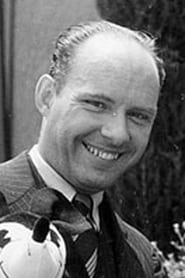
Burt Gillett
Director
Born: October 15, 1891 in Milwaukee, Wisconsin, United States Died: December 30, 1971 Active: 1929-1940 Birth Name: Burton L. Gillett
Films
19 films
No Poster
Molly Moo-Cow and Rip Van Winkle
1935
Wild Waves
1929
Arctic Antics
1930
Winter
1930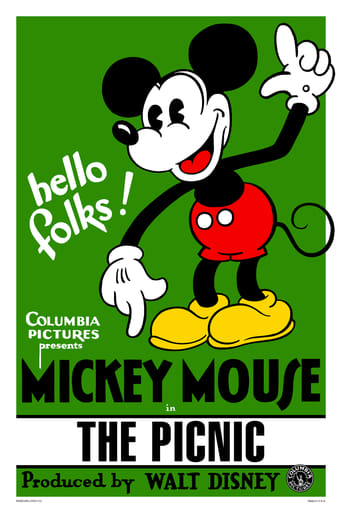
The Picnic
1930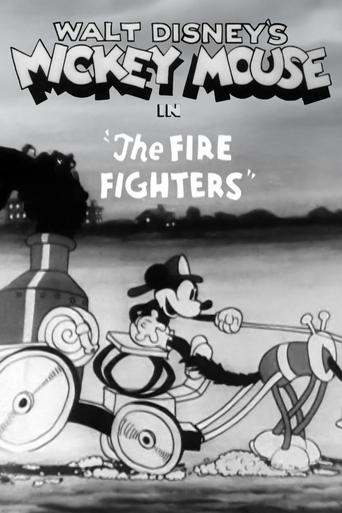
The Fire Fighters
1930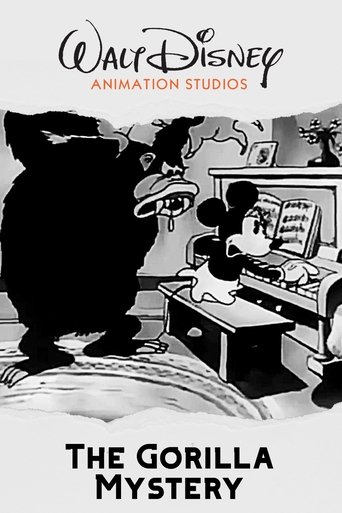
The Gorilla Mystery
1930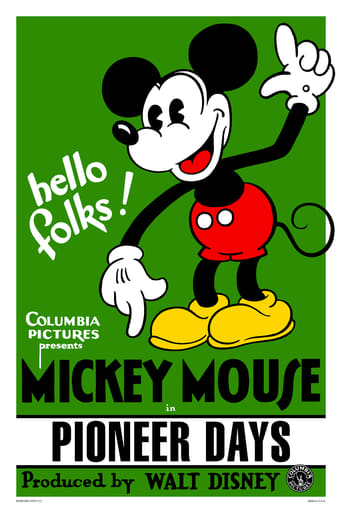
Pioneer Days
1930
The Chain Gang
1930
The Shindig
1930
The Delivery Boy
1931
Mickey's Orphans
1931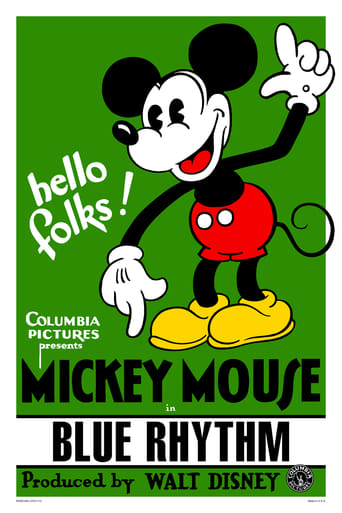
Blue Rhythm
1931
The Beach Party
1931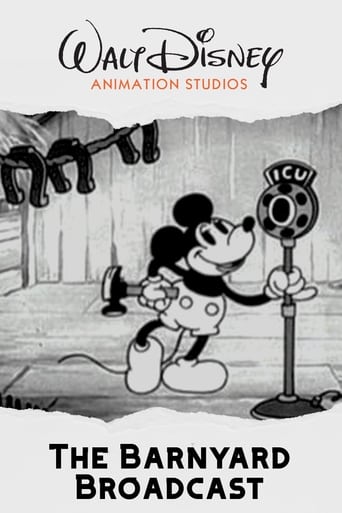
The Barnyard Broadcast
1931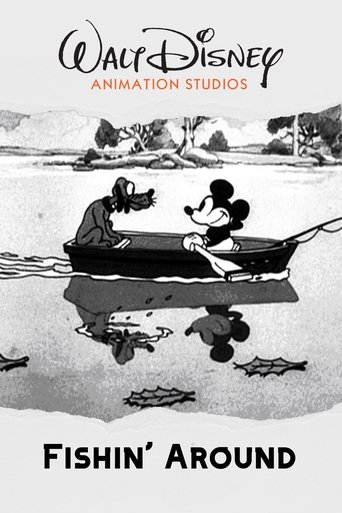
Fishin' Around
1931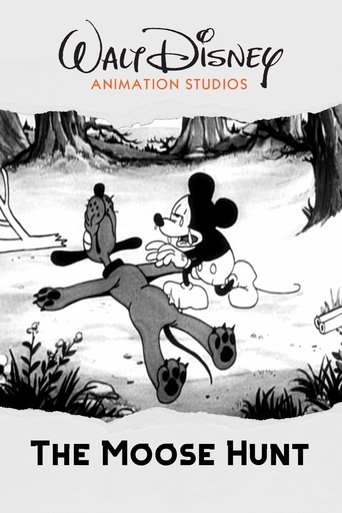
The Moose Hunt
1931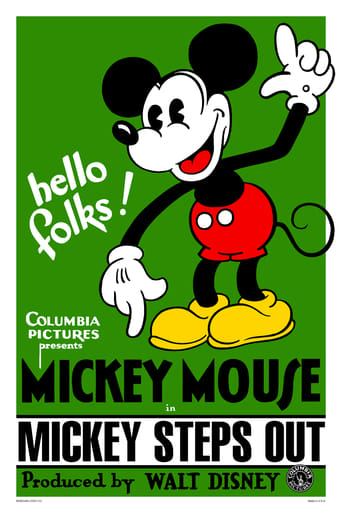
Mickey Steps Out
1931About Burt Gillett
Made significant contributions during the golden age of animation. He began his career in the early 1920s and rose to prominence at Walt Disney Studios in 1929, where he directed some of the most celebrated early Mickey Mouse and Silly Symphonies shorts. Gillett was instrumental in developing Disney's early animation style and storytelling techniques, helping establish the studio's reputation for quality animation. After leaving Disney in 1934, he joined Van Beuren Studios where he directed numerous animated shorts, including the Molly Moo-Cow series. His work demonstrated exceptional skill in combining music, comedy, and visual storytelling in animated form. Gillett later worked at MGM in the late 1930s, contributing to their cartoon department. His the crucial transition period from silent to sound animation, making him an important figure in animation history.
The Craft
Behind the Camera
Gillett was known for his innovative approach to musical synchronization and character animation. His directing style emphasized strong character personalities, fluid movement, and seamless integration of music with visual storytelling. He had a particular talent for creating emotionally resonant stories within the short format, often using music as a narrative driver rather than mere accompaniment.
Milestones
- Directed the first Mickey Mouse cartoon in color, 'The Band Concert' (1935)
- Won Academy Award for Best Animated Short Film for 'Flowers and Trees' (1932)
- Directed 'Three Little Pigs' (1933), one of Disney's most influential early shorts
- Pioneered synchronization of animation with music in early sound cartoons
- Worked at three major animation studios: Disney, Van Beuren, and MGM
Best Known For
Must-See Films
Accolades
Won
- Academy Award for Best Animated Short Film - 'Flowers and Trees' (1932)
- Academy Award nomination for Best Animated Short Film - 'The Ugly Duckling' (1931)
Nominated
- Academy Award nomination for Best Animated Short Film - 'The Ugly Duckling' (1931)
- Academy Award nomination for Best Animated Short Film - 'Three Little Pigs' (1933)
Special Recognition
- Walt Disney Legend Award (posthumous recognition)
- Inducted into the Animation Hall of Fame
Working Relationships
Worked Often With
Studios
Why They Matter
Impact on Culture
Burt Gillett's work had a profound impact on the development of animation as an art form. His direction of 'Three Little Pigs' revolutionized character animation by demonstrating how distinct personalities could be conveyed through movement and expression alone. The film's massive success proved that animated shorts could have both artistic merit and popular appeal, influencing how studios approached animation production. Gillett's early work with Technicolor in 'Flowers and Trees' helped establish color as a standard in animation, while his musical synchronization techniques set new standards for sound cartoons.
Lasting Legacy
Gillett's legacy lives on through the timeless cartoons he directed, many of which remain classics of animation. His innovative techniques in character animation and musical timing influenced generations of animators and directors. The success of films like 'Three Little Pigs' and 'The Band Concert' helped establish animation as a legitimate cinematic art form capable of sophisticated storytelling and emotional depth. His work at Disney during its crucial early years contributed to the studio's foundation of excellence that continues to this day.
Who They Inspired
Gillett influenced countless animators through his work in character development and musical synchronization. His techniques for conveying emotion through animation became standard practice in the industry. Directors like Chuck Jones, Friz Freleng, and Tex Avery built upon the foundation that Gillett helped establish. His emphasis on strong character personalities in animation influenced the entire approach to cartoon production, moving it away from simple gag-based shorts toward more narrative-driven entertainment.
Off Screen
Burt Gillett led a relatively private life outside of his professional career in animation. He was known among his colleagues as a dedicated professional who was passionate about advancing the art of animation. Gillett witnessed and contributed to the dramatic evolution of animation during its formative years, from simple silent shorts to sophisticated sound cartoons with complex narratives and musical scores.
Education
Self-taught animator; attended Milwaukee State Normal School for teacher training but left to pursue animation
Family
- Margaret Gillett (married 1915-1971)
Did You Know?
- 'Three Little Pigs' was so popular that it ran in theaters for months, an unprecedented achievement for an animated short
- Gillett was the first director to win an Academy Award for an animated cartoon
- He left Disney during a salary dispute despite his success there
- The Molly Moo-Cow series he directed at Van Beuren was an attempt to create a character to compete with Disney's Mickey Mouse
- His work on 'The Band Concert' featured the first color appearance of Mickey Mouse
- Gillett was known for his ability to direct cartoons that appealed to both children and adults
- He was one of the few directors who successfully worked at multiple major animation studios
- His cartoons often featured sophisticated musical arrangements that enhanced the storytelling
- Gillett's departure from Disney coincided with the studio's preparation for 'Snow White and the Seven Dwarfs'
- He retired from animation in the early 1940s as the industry was transitioning toward television production
In Their Own Words
Animation is not just about making things move, it's about making things live
The secret to a good cartoon is giving your characters a soul, not just a voice
Music and animation are natural partners - they speak the same language of emotion
Frequently Asked Questions
Who was Burt Gillett?
American animation on YTB.my.
What films is Burt Gillett best known for?
Titles linked here include The Band Concert (1935), Three Little Pigs (1933).
When was Burt Gillett born and when did he die?
Born October 15, 1891; died December 30, 1971.
What awards did Burt Gillett win?
Gillett won the Academy Award for Best Animated Short Film for 'Flowers and Trees' (1932) and received additional Oscar nominations for 'The Ugly Duckling' (1931) and 'Three Little Pigs' (1933).
What was Burt Gillett's directing style?
Gillett's directing style emphasized strong character personalities, fluid animation, and innovative musical synchronization. He was known for creating emotionally resonant stories and techniques in color animation and character development.
Which animation studios did Burt Gillett work for?
Gillett worked for three major animation studios: Walt Disney Studios (1929-1934), Van Beuren Studios (1934-1937), and MGM Cartoon Studio (1937-1940).
How did Burt Gillett influence animation?
Gillett revolutionized animation by demonstrating that cartoons could have sophisticated storytelling and emotional depth. His work on 'Three Little Pigs' proved animation's commercial viability, while his technical innovations in color and sound set new industry standards.