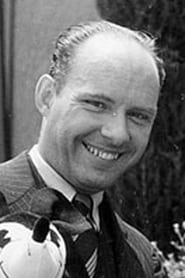

Molly Moo-Cow and Robinson Crusoe
"Molly Moo-Cow washes to shore on an island."
Keys: Space play/pause · ←/→ 10s · F fullscreen · M mute · </> speed
About this film
Molly Moo-Cow washes to shore on an island, the one occupied by Robinson Crusoe. Much of the short is Crusoe extolling the virtues of the solitary life, Molly trying to ingratiate herself to Crusoe and Crusoe trying to get rid of her. He finally succeeds-just before cannibals come ashore, capture Crusoe and dump him in a pot.
Cast & crew
More Animation films
View all →

More from Burt Gillett
View all →
More about this film
About the production
Release dateMay 23, 1936
ProductionVan Beuren Studios
Filmed inNew York, New York (studio production)
This cartoon was produced during Van Beuren Studios' final years of operation before the studio closed in 1937. The Molly Moo-Cow series was one of Van Beuren's attempts to create recurring characters to compete with Disney's Mickey Mouse and Fleischer's Betty Boop. The animation was created using traditional cel animation techniques typical of the era, with each frame hand-drawn and colored.
Themes
Themes & topics
mollywashesshoreislandoccupiedrobinsoncrusoemuch
Historical background
Exhibitors around 1936 slotted Molly Moo-Cow and Robinson Crusoe into mixed bills where shorts, newsreels, and features shared the same program.
Why this film matters
Historians treat Molly Moo-Cow and Robinson Crusoe as evidence of what typical 1936 audiences could see in a program slot.
Making of
Production details for Molly Moo-Cow and Robinson Crusoe are sparse in surviving records. Direction is attributed to Burt Gillett.
What critics said
Audience data from 1936 is sparse; reception for Molly Moo-Cow and Robinson Crusoe is inferred from reissue and archival interest.
Did you know?
- Directed by Burt Gillett.
- Production country: United States.
- Release year commonly listed as 1936.
- TMDB identifier: 202048.
Visual style
The cinematography of 'Molly Moo-Cow and Robinson Crusoe' follows the standard practices of 1930s theatrical animation. The film uses static camera angles typical of the era, with occasional pans and tracking shots to follow character movement. The background art employs watercolor techniques common in Van Beuren productions, creating a tropical island atmosphere with limited color palettes due to the two-color Technicolor process used. The animation style is more fluid than earlier cartoons but lacks the weight and depth that Disney was developing during the same period. Character movement follows the rubber hose animation style popular in the early 1930s, with exaggerated, elastic movements.
Innovations
While not groundbreaking in its technical achievements, 'Molly Moo-Cow and Robinson Crusoe' utilized the standard animation technologies of its time. The film was produced using the cel animation process, where characters were drawn on transparent celluloid sheets and photographed over background paintings. The cartoon employed early two-color Technicolor processes, which limited the color palette compared to the three-strip Technicolor that Disney was pioneering. The synchronization of sound and animation follows the techniques developed in the early sound era, with careful timing of dialogue, music, and visual action. The film represents the technical standards of mid-tier animation studios during the golden age of theatrical shorts.
Music
The cartoon's soundtrack was typical of Van Beuren productions, featuring original musical compositions combined with adaptations of popular classical pieces. The score was likely composed by Winston Sharples or Gene Rodemich, Van Beuren's regular musical directors. The film uses synchronized sound technology that was standard by 1936, with character voices, sound effects, and musical accompaniment all integrated into the soundtrack. Robinson Crusoe's monologues are delivered in a theatrical style common to voice acting of the era, while Molly Moo-Cow communicates primarily through mooing sounds and expressive gestures. The cannibal scenes feature tribal drum rhythms and exotic instrumentation to create atmosphere.
Famous quotes
I prefer the solitary life! No bothersome creatures to interrupt my peaceful existence!
Help! Somebody help me! Anyone! Molly! Help!
This island was perfect until you arrived!
A cow! On my island! This is unacceptable!
I told you I wanted to be alone!
Memorable scenes
- The opening scene where Molly Moo-Cow dramatically washes ashore on a makeshift raft, immediately disrupting Crusoe's peaceful morning routine
- Crusoe's elaborate attempts to scare Molly away from the island, including building ridiculous scarecows and creating elaborate traps
- The ironic climax where Crusoe successfully drives Molly away only to be immediately captured by cannibals and thrown into a cooking pot
- The final shot of Molly sailing away on her raft, oblivious to Crusoe's desperate cries for help in the distance
What audiences thought
Patrons who saw Molly Moo-Cow and Robinson Crusoe during initial runs judged it alongside other comedy film releases of the day.
Film connections
Influenced by
- Daniel Defoe's 'Robinson Crusoe' novel
- Disney's Silly Symphonies series
- Fleischer Studios' character animation
- Literary adaptations in animation
Film restoration
The film exists in various archives and private collections, with copies held by animation preservation societies and film archives. Some versions may show signs of age and deterioration typical of nitrate film stock from the 1930s. The cartoon has been preserved through digital transfers for animation history collections and is occasionally shown at classic animation festivals.
Where to watch
- The Internet Archive (public domain versions)
- Classic cartoon compilation DVDs
- Animation streaming services specializing in public domain content
- Film archive screenings and animation festivals
- YouTube (through various public domain uploaders)