Pass the Gravy
Plot
In this silent comedy, neighborly warfare breaks out between Schultz, a man devoted to raising prize chickens and roosters, and his rival Max Davidson, whose garden is repeatedly ruined when the birds wander over and eat his seed. The feud becomes especially bitter because each man sees the other as the source of every fresh disaster, and the conflict escalates through a series of comic retaliations. Peace finally seems possible when their children announce that they intend to marry, prompting the fathers to agree to bury the hatchet and celebrate with a dinner at Davidson’s home. Davidson entrusts his young son Ignatz with money to buy a chicken for the meal, but the boy pockets the cash and, in a disastrous bit of bad judgment, kills Schultz’s prized first-place rooster instead. At the dinner table, everyone except Schultz realizes what has been cooked and desperately tries to conceal the truth, setting up the short’s final stretch of mounting dread, frantic pantomime, and comic hypocrisy as Schultz remains blissfully unaware that his revenge, if uncovered, will be immediate and violent.
Director
Leo McCareyAbout the Production
Pass the Gravy was produced as a silent two-reel comedy for Hal Roach Studios and directed by Leo McCarey, one of the studio’s key comedy craftsmen. It belongs to the late silent era when Roach was pairing strong ethnic comedy performers and child actors in situation-driven farce rather than relying on title cards or broad slapstick alone. Max Davidson had become an important featured player at Roach, often cast in domestic and neighborhood conflict comedies, and the short was designed around his gift for frustrated, increasingly exasperated reaction humor. As with many Roach comedies of the period, the film depends heavily on carefully timed visual business, escalating misunderstandings, and ensemble blocking rather than elaborate production design. Precise budget, box-office figures, and a fully documented shooting schedule are not readily available for this short subject.
Historical Background
Pass the Gravy was produced in 1928, the final full year before synchronized sound transformed Hollywood comedy. Silent shorts still formed an important part of theatrical programs, especially from studios like Hal Roach that had perfected the two-reel format. The film comes from a period when American comedy often revolved around neighborhood life, domestic squabbles, and ethnic character types that reflected both the immigrant-heavy urban culture of the era and the period’s often broad stereotypes. At the same time, the silent screen had reached a high level of sophistication in visual storytelling, allowing filmmakers like Leo McCarey to build intricate suspense-comedy sequences without dialogue. The short therefore sits at a historically interesting crossroads: it is both a late silent comedy and an early example of the character-driven timing that would survive and evolve in sound-era comedy.
Why This Film Matters
While not a landmark feature, Pass the Gravy is culturally significant as a representative Hal Roach short and as an example of how silent-era comedy could turn a tiny domestic premise into an elaborate comic mechanism. It also preserves the work of Max Davidson, whose screen persona contributed to the range of comedy styles available in the late 1920s beyond the best-known stars. For film historians, the short is valuable because it shows Leo McCarey developing the instincts for patient buildup, embarrassment, and character reaction that would later become central to his celebrated feature films. It also stands as a document of the studio short-comedy tradition that shaped American screen humor, from silent two-reelers to later sound comedy ensembles. Modern viewers may also find interest in how its dinner-table suspense and concealment gag anticipate later comedy plotting in both film and television.
Making Of
Pass the Gravy was made during a productive period at Hal Roach Studios when the company specialized in tightly written silent comedy shorts with a recognizable comic rhythm. Leo McCarey, who was increasingly valued for his ability to orchestrate visual comedy and character-based escalation, handled the direction with an eye toward reaction shots, suspense, and ensemble timing. Max Davidson’s persona was central to the short’s construction: his frustrated, easily flustered style made him ideal for a story about petty feud, social embarrassment, and the dread of a dinner-table revelation. The film’s central comic device—one character unknowingly being served the prized rooster of the man he has been feuding with—depends on precise staging and a carefully maintained audience advantage, with the humor coming from the gap between what the characters know and what Schultz does not. As with many Roach productions, the setting and props are uncomplicated, but the comedy is built from business, timing, and reactions that needed to be executed cleanly in a silent format without spoken dialogue.
Visual Style
The film’s visual style is typical of late silent studio comedy: clear framing, economical coverage, and attention to blocking so that the audience can instantly understand the relationships and the running gag. Rather than showy camera movement, the emphasis is on readable tableau composition and reaction-based humor, allowing the comedy to build through cuts, entrances, and exits. Like many Hal Roach shorts, the cinematography supports ensemble action in domestic interiors and yard spaces, with the garden and dinner table functioning as the primary comic arenas. The visual storytelling needs to communicate the feud, the children’s engagement, the mistaken killing of the rooster, and the dinner-table concealment with minimal intertitle dependence. The result is a clean, functional, and effective silent-comedy visual approach.
Innovations
The film’s main technical strength lies in its precise silent-comedy construction rather than in a specific mechanical innovation. Its suspense is built through audience knowledge, visual concealment, and well-timed reaction shots, demonstrating advanced command of comedic pacing. The film also shows how late silent shorts could sustain a single premise across a full two-reel format without losing momentum. Its success depends on staging that allows multiple characters to discover the truth in sequence while preserving Schultz’s ignorance, a technique that creates layered comedy from blocking and editing.
Music
As a silent film, Pass the Gravy would originally have been accompanied by live music in theaters, typically from a theater pianist, organist, or small ensemble, depending on venue and exhibition practice. No original cue sheet or commissioned score is widely documented in standard references. Modern presentations may use archival-style accompaniment or newly prepared silent-film scores, but those are not part of the film’s original production record. The musical experience therefore varied from screening to screening, which was standard for silent-era comedies.
Famous Quotes
I can't reliably verify any original spoken dialogue or title-card quotations for this silent short beyond the plot description.
As a silent film, its most memorable 'lines' are conveyed through intertitles and visual reaction rather than preserved dialogue.
Memorable Scenes
- The ongoing backyard feud in which Schultz’s chickens repeatedly invade Max Davidson’s garden and destroy his seed.
- The moment the children announce their engagement, briefly turning sworn enemies into would-be in-laws.
- The disastrous decision to use Schultz’s prize rooster for the dinner meal after Ignatz pockets the money for a chicken.
- The dinner-table sequence in which everyone but Schultz realizes what is being eaten and scrambles to hide the truth from him.
- The final stretch of suspense as Schultz remains unaware that the meal disaster could reignite the feud into open violence.
Did You Know?
- The film is a classic example of a Hal Roach silent comedy short built around domestic conflict and escalating embarrassment rather than physical chaos alone.
- Max Davidson was one of Hal Roach’s most distinctive character comedians, often playing beleaguered husbands, fathers, and neighbors in suburban or working-class settings.
- Leo McCarey later became one of Hollywood’s major comedy and drama directors, but in the late silent era he was honing the timing and staging that would define his sound-era work.
- The short uses a simple premise involving chickens and a dinner table to create a prolonged suspense gag, a structure that was very effective in silent comedy.
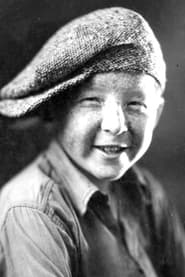
- Spec O’Donnell appears as part of the comic child/young-adult supporting presence associated with many Roach productions of the era.
- The film reflects the period’s fondness for ethnic and neighborhood comedy types, especially the anxious patriarch figure played by Davidson.
- Like many Roach shorts, it was designed for program placement rather than feature billing, which meant strong emphasis on immediate, compact laughs.
- The title is a joke on the phrase 'pass the gravy,' tying domestic dinner humor to the story’s central meal disaster.
- The film survives and is known to collectors and historians primarily as a short comedy from the late silent era rather than as a widely circulated mainstream title.
- Its comic structure anticipates later table-disaster sequences in screwball comedy, where the audience knows the truth before one character does.
What Critics Said
Contemporary reviews for many Roach shorts were often brief and program-oriented, and detailed surviving critical commentary on Pass the Gravy is limited. In the broad context of Hal Roach comedy production, these shorts were generally appreciated for dependable laughs, clean mechanics, and strong performances rather than for critical prestige in the way features were discussed. Modern film historians and silent-comedy enthusiasts tend to value the film as a fine example of McCarey’s early direction and Davidson’s comic persona, especially for its tightly constructed escalation and suspenseful payoff. Its reputation today is strongest among scholars and collectors interested in studio comedy shorts, rather than as a universally known classic. Where it has been discussed, it is usually praised for its careful timing, economical setup, and effective final dinner sequence.
What Audiences Thought
As a 1928 two-reel comedy, the film was intended to generate immediate audience laughter in theaters as part of a mixed bill, and its structure suggests it was designed for broad, accessible amusement. Audiences of the time would likely have responded to the recognizable domestic feud, the animal-gag premise, and the escalating anxiety of the dinner scene. Because it relied less on elaborate slapstick than on suspense and embarrassment, it would have played especially well for viewers who enjoyed character comedy and social discomfort. Today, the film’s audience is more specialized, mainly silent-comedy fans and classic-film historians, though the premise remains easy to appreciate even for modern viewers. Its appeal lies in the universal comic tension of hiding a disastrous truth at the table.
Film Connections
Influenced By
- Hal Roach studio comedy formula
- American two-reel silent farce
- Domestic neighborhood comedies of the 1920s
- Stage and screen embarrassment comedy traditions
This Film Influenced
- Later domestic farce comedies built around a concealed meal disaster
- Subsequent silent and sound-era embarrassment comedies
- Family feud and dinner-party farces in studio short subjects
You Might Also Like
More Comedy Films
View allMore from Leo McCarey
View allFilm Restoration
The film is extant and survives as a preserved silent short; it is not generally regarded as a lost film. It is known to historians and may appear in archival or specialty silent-film circulation rather than mainstream home-video distribution.