
Martha Sleeper
Actor
Born: June 24, 1902 in Chicago, Illinois, USA Died: March 25, 1983 Active: 1924-1928
Films
13 films
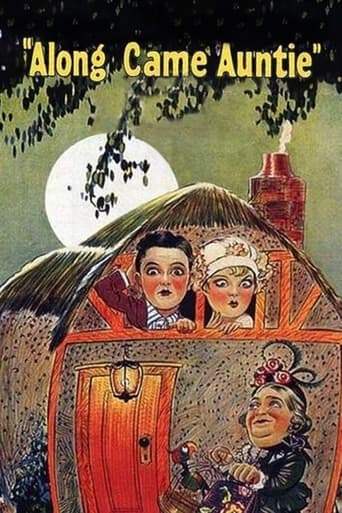


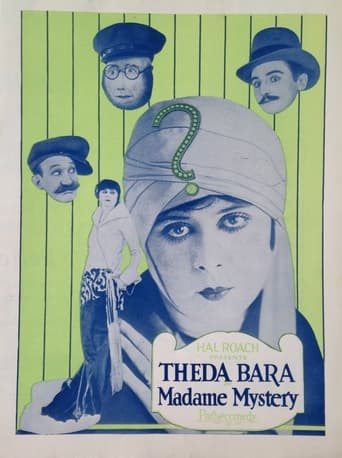
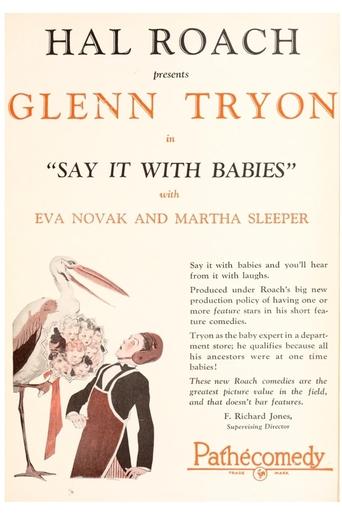
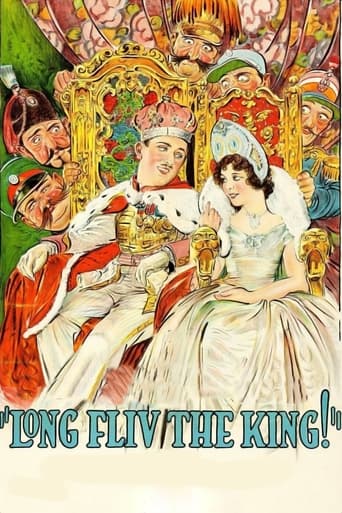
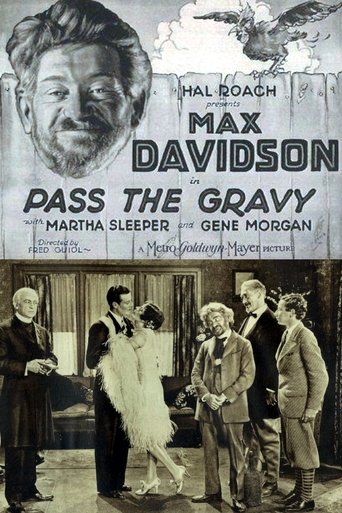

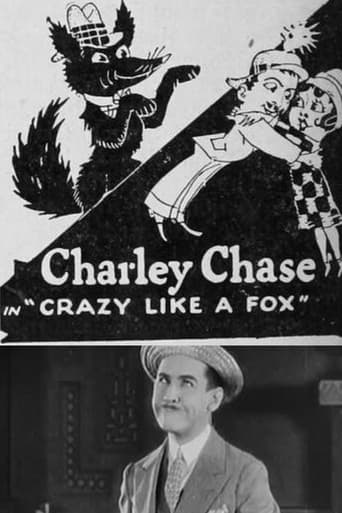
About Martha Sleeper
American actress who rose to prominence during the silent film era of the 1920s. Born in Chicago, Illinois, she began her film career in 1924 with Hal Roach Studios, quickly establishing herself as a talented comedic actress. Sleeper appeared in numerous comedy shorts, often working alongside popular performers of the time including Charley Chase and Max Davidson. Her most notable period was from 1924 to 1928, during which she starred in over 30 films, primarily comedies that showcased her expressive face and natural comedic timing. She was particularly known for her work in two-reel comedies and was considered one of the more reliable supporting actresses of the Roach studio roster. As the transition to sound films began in the late 1920s, Sleeper's career in motion pictures began to wane, and she made her final film appearances around 1928. After leaving the film industry, she largely disappeared from public life, making her one of the many silent-era performers whose careers ended with the advent of talkies.
The Craft
On Screen
Martha Sleeper was known for her natural and expressive comedic style, utilizing subtle facial expressions and physical comedy to great effect. Her performances were characterized by a charming innocence and timing that complemented the chaotic energy of Roach Studio comedies. She had a particular talent for playing the straight woman to more outrageous comedic performers, bringing a grounded reality to absurd situations.
Milestones
- Signed with Hal Roach Studios in 1924
- Starred in over 30 comedy shorts during her career
- Worked frequently with director Robert F. McGowan
- Appeared in Charley Chase comedy series
- Transitioned from bit parts to featured roles within her first year
Best Known For
Iconic Roles
Must-See Films
Working Relationships
Worked Often With
Studios
Why They Matter
Impact on Culture
Martha Sleeper represents the archetype of the reliable supporting actress who was essential to the success of silent comedy shorts. While never achieving major stardom, her contributions to the Hal Roach comedy machine were significant, helping to create the comedic ensemble that defined the studio's output. Her work exemplifies the collaborative nature of silent film comedy, where even smaller roles required skilled performers to maintain the rhythm and energy of the productions.
Lasting Legacy
Martha Sleeper's legacy lies in her body of work with Hal Roach Studios, which has been preserved and studied by film historians interested in the development of American comedy. Her films serve as valuable examples of the two-reel comedy format that dominated American cinema in the 1920s. Though largely forgotten by mainstream audiences, she remains a subject of interest for silent film enthusiasts and scholars studying the supporting players who made the Golden Age of Comedy possible.
Who They Inspired
As a supporting actress rather than a star, Martha Sleeper's direct influence on other performers was limited. However, her professional approach to comedy supporting roles helped establish standards for ensemble comedy performance that would influence future generations of character actors. Her work demonstrated the importance of skilled supporting players in creating successful comedy films, a lesson that resonated throughout Hollywood's development.
Off Screen
Martha Sleeper was known to have been a private individual who largely withdrew from public life after her film career ended. She married and lived the remainder of her life away from the entertainment industry spotlight. Details about her personal life remain relatively scarce, as was common for many supporting actors of the silent era who did not achieve major stardom.
Education
Limited information available about her formal education, though she likely received some theatrical training before entering films
Family
- Arthur H. Smith (1929-1983)
Did You Know?
- Appeared in over 30 films in just four years (1924-1928)
- Was primarily contracted to Hal Roach Studios, the comedy factory that also launched Harold Lloyd and the Our Gang series
- Often played the romantic interest or straight woman to more eccentric comedic characters
- Her career effectively ended with the transition to sound films, as was common for many silent-era actors
- Worked with several future comedy legends including Stan Laurel before his partnership with Oliver Hardy
- Many of her films were considered lost for decades but have since been rediscovered and preserved by film archives
- Was known for her ability to convey emotion and comedy without dialogue, a crucial skill for silent film actors
- Never achieved major stardom but was considered a reliable and professional performer by studio executives
- Her films often featured her in situations requiring physical comedy and slapstick elements
- Retired from films at the relatively young age of 26, suggesting she may have chosen to leave the industry rather than being forced out
In Their Own Words
(No documented famous quotes from Martha Sleeper, as was common for supporting actors of her era who rarely gave interviews)
Frequently Asked Questions
Who was Martha Sleeper?
American actress best known for her work in silent comedy shorts during the mid-1920s, primarily with Hal Roach Studios. She appeared in over 30 films between 1924 and 1928, often playing supporting roles in two-reel comedies alongside stars like Charley Chase.
What films is Martha Sleeper best known for?
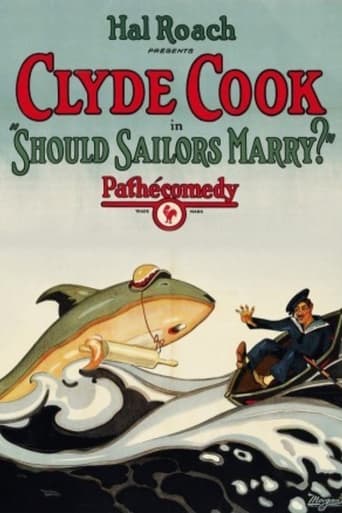
Titles linked here include All Wet (1924), Should Sailors Marry? (1925).
When was Martha Sleeper born and when did she die?
Born June 24, 1902; died March 25, 1983.
What awards did Martha Sleeper win?
Martha Sleeper did not receive any major awards or nominations during her career, which was typical for supporting actors in silent comedy shorts. Her contributions were recognized primarily through her steady employment and the popularity of the films she appeared in.
What was Martha Sleeper's acting style?
Martha Sleeper was known for her natural comedic timing and expressive facial performances essential for silent films. She excelled at playing the straight woman to more outrageous characters, bringing grounded reality to comedic situations with subtle physical comedy and emotional reactions.
Why did Martha Sleeper's career end in 1928?
Martha Sleeper's career ended around 1928, coinciding with the transition from silent films to talkies. Like many silent-era actors, particularly those in supporting roles, she either chose not to adapt to sound films or was not selected for the new format, leading to her retirement at age 26.
Did Martha Sleeper work with any famous comedians?
Yes, Martha Sleeper worked with several notable comedy figures of the silent era including Charley Chase, Max Davidson, and James Finlayson. She also appeared in films with Stan Laurel before his famous partnership with Oliver Hardy, making her part of early comedy history.