

What's the World Coming To?
"Short comedy which posits that in a hundred years men's styles will."
Keys: Space play/pause · ←/→ 10s · F fullscreen · M mute · </> speed
About this film
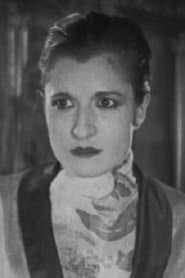
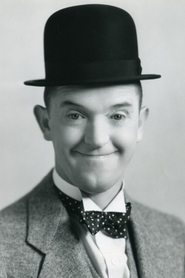
Short comedy which posits that in a hundred years men's styles will revert to Regency garb, and that there will be a complete gender role reversal, with husband Clyde Cook staying home alone while wife Katherine Grant goes tomcatting around town.
Cast & crew
More films like this
More Comedy films
View all →







More from Richard Wallace
View all →
More about this film
About the production
Release dateAugust 15, 1926
Box officeUnknown - standard Hal Roach short rental fees of the era
ProductionHal Roach Studios
Filmed inHal Roach Studios, Culver City, California
This film was part of Hal Roach's series of comedy shorts that explored social themes through satire. The production used elaborate costumes to create the Regency-meets-future aesthetic, with costume designers creating hybrid outfits that combined 1920s futurism with early 19th-century elements. The film was shot on interior sets designed to represent the futuristic home of 2026, complete with imagined technological advances and domestic arrangements that emphasized the role reversal theme.
Themes
Gender role reversalDomestic lifeSocial changeMarriage dynamicsFuturism
Themes & topics
futuregender roleshusbandwiferole reversalcomedysilent filmshort filmdomestic comedyspeculative fiction
Historical background
Viewers in 1926 encountered What's the World Coming To? alongside competing releases that were collectively teaching new cinematic grammar.
Why this film matters
Restorations and festival bookings keep What's the World Coming To? visible among classic-film communities.
Making of
The production of 'What's the World Coming To?' took advantage of Hal Roach Studios' reputation for allowing creative freedom in exploring contemporary social issues through comedy. The film's concept was likely inspired by the rapidly changing social dynamics of the 1920s, as more women entered the workforce and gained independence. Clyde Cook, though not as famous as some of Roach's other stars, was given the opportunity to showcase his range in a leading role that required both physical comedy and subtle reactions to the role-reversal scenario. The costume department faced the unique challenge of creating futuristic outfits that would still be recognizable as comedy to 1926 audiences, leading to the decision to blend Regency-era elements with imagined future fashion. The film was shot quickly, as was typical for Roach shorts, with most scenes completed in one or two takes to maintain the spontaneous feel of the comedy.
What critics said
Modern retrospectives screen What's the World Coming To? to illustrate 1926 pacing and camera norms.
Did you know?
- This film was remarkably prescient in its gender role reversal theme, anticipating later feminist comedies by decades
- Clyde Cook, an Australian comedian, was one of Hal Roach's reliable character actors known for his expressive face and physical comedy
- Katherine Grant was married to comedy legend Harold Lloyd at the time this film was made
- James Finlayson would later become famous as a regular in Laurel and Hardy comedies, known for his exasperated double-takes and 'D'oh!' exclamations
- The film's vision of 2026 fashion incorrectly predicted a return to Regency styles rather than the actual casual fashion that would prevail
- Director Richard Wallace would later direct feature films and work with major stars like Barbara Stanwyck and Gary Cooper
- The film was released during the height of the Roaring Twenties, when traditional gender roles were already beginning to be questioned
- This was one of the few films to explicitly tackle gender role reversal during the silent era
- The film's title became something of a catchphrase during the 1920s for expressing shock at social changes
- Hal Roach Studios was known as 'The Lot of Fun' and produced many of the era's most successful comedy shorts
Visual style
The film utilized standard silent era cinematography techniques but employed creative camera work to emphasize the comedy of the role reversal situation. The cinematographer used medium shots to capture the actors' facial expressions, particularly important for conveying the husband's growing frustration and the wife's carefree attitude. Interior shots of the futuristic home were lit to create a slightly artificial, otherworldly atmosphere that supported the film's speculative premise. The camera work during scenes of the wife's night out employed more dynamic movement to contrast with the static, domestic scenes of the husband at home.
Innovations
While not groundbreaking in technical terms, the film demonstrated effective use of existing silent film techniques to tell its story. The costume design represented a notable achievement in creating a believable futuristic aesthetic that still worked for comedy. The production design successfully created the illusion of a future home while maintaining the practical needs of a comedy set. The film's editing effectively balanced the parallel storylines of the husband at home and the wife out on the town, using cross-cutting to build comedic tension and contrast the different experiences of the characters.
Music
As a silent film, 'What's the World Coming To?' would have been accompanied by live musical performance in theaters. The typical score would have included popular songs of 1926 along with classical pieces adapted to fit the mood of various scenes. For the domestic scenes, lighter, more whimsical music would have been used, while the wife's night out would have been accompanied by jazz-age tunes that reflected the liberated spirit of the Roaring Twenties. The musical accompaniment would have been crucial in establishing the film's comedic tone and helping audiences understand the emotional states of the characters.
Famous quotes
'In the year 2026, men will stay home while women go out!' - Intertitle
'A hundred years from now, who will be the fair sex?' - Opening title card
Memorable scenes
- The opening sequence showing the transformation from 1926 to 2026 with fashion changes
- Clyde Cook's character attempting domestic chores with comedic frustration
- Katherine Grant's character preparing for her night out while her husband waits at home
- The husband's reaction to his wife returning late with suspicious behavior
What audiences thought
Audiences of 1926 reportedly enjoyed the film's humorous take on gender roles, finding both the situation and the costumes entertaining. The film performed well in theaters as part of comedy short programs, which were popular attractions before feature presentations. Modern audiences who have seen the film through revival screenings or archives often express surprise at how contemporary the themes feel, noting that the gender role reversal premise remains relevant. The film has developed a cult following among silent film enthusiasts who appreciate its social commentary alongside its comedy value.
Film connections
Influenced by
- Contemporary 1920s social changes
- Early feminist literature
- Speculative fiction of the era
- Domestic comedy traditions
This film influenced
- Later gender-swap comedies
- Feminist comedy films of subsequent decades
- Television sitcoms exploring role reversal
Film restoration
The film survives in archives and has been preserved by film preservation organizations. While not widely available on home media, it exists in film archives and has been screened at silent film festivals and revival houses. Some versions may be incomplete or show signs of deterioration typical of films from this era.
Where to watch
- Film archive screenings
- Silent film festivals
- Some specialty streaming services featuring silent films
- Film museum collections
- Academic film libraries