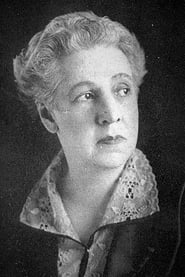
Helen Gilmore
Actor
Born: April 3, 1873 in Milwaukee, Wisconsin, United States Died: May 27, 1947 Active: 1917-1926
Films
16 films
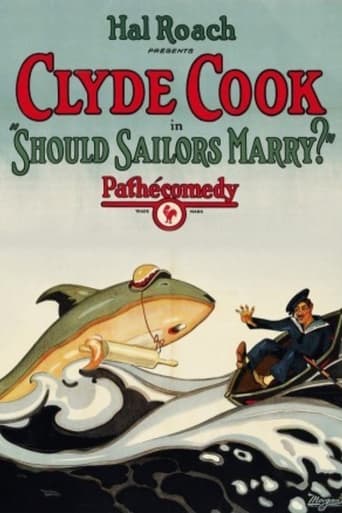
Should Sailors Marry?
1925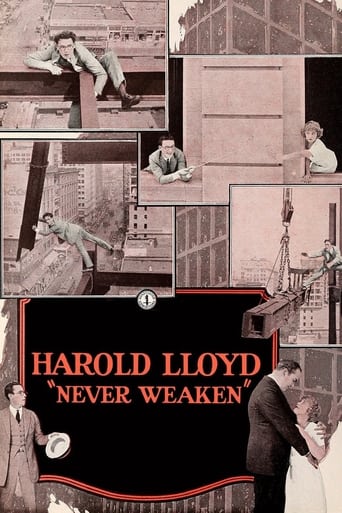
Never Weaken
1921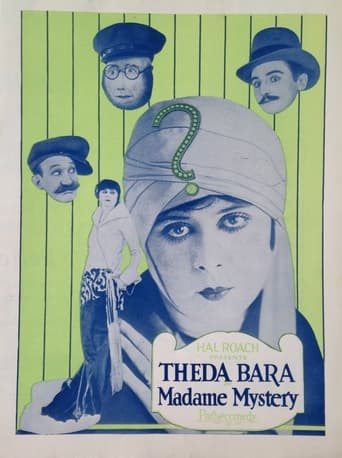
Madame Mystery
1926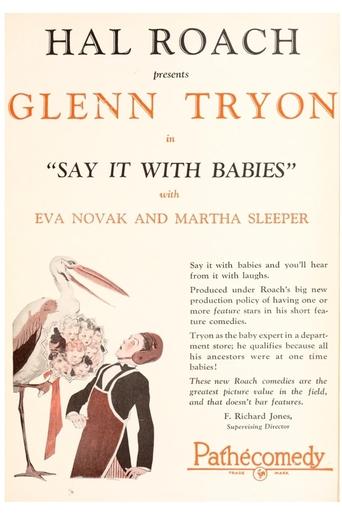
Say It with Babies
1926
All Wet
1924
The City Slicker
1918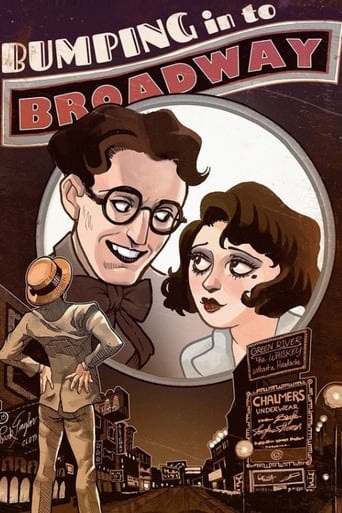
Bumping Into Broadway
1919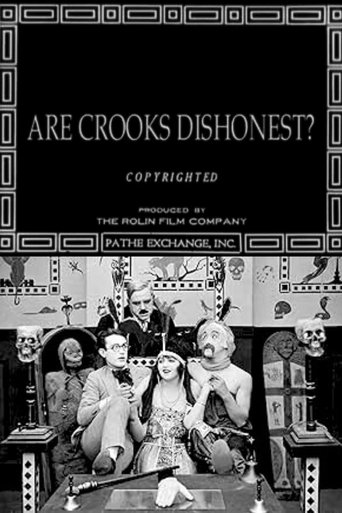
Are Crooks Dishonest?
1918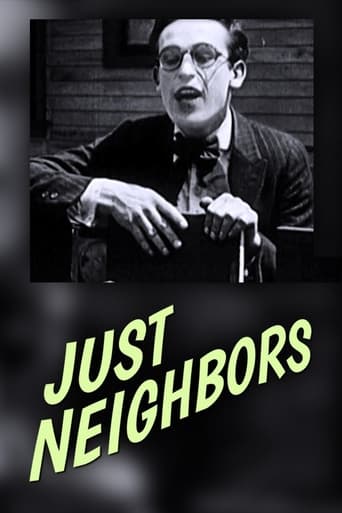
Just Neighbors
1919
The Whole Truth
1923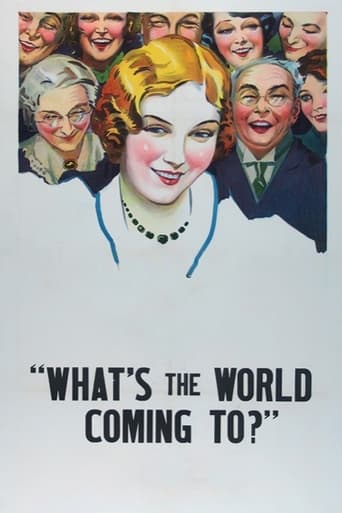
What's the World Coming To?
1926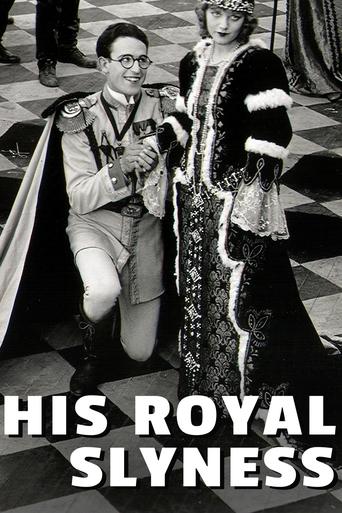
His Royal Slyness
1920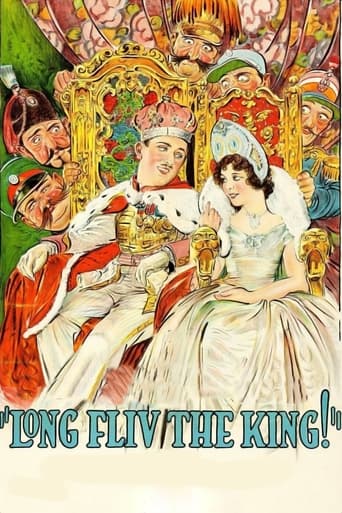
Long Fliv the King
1926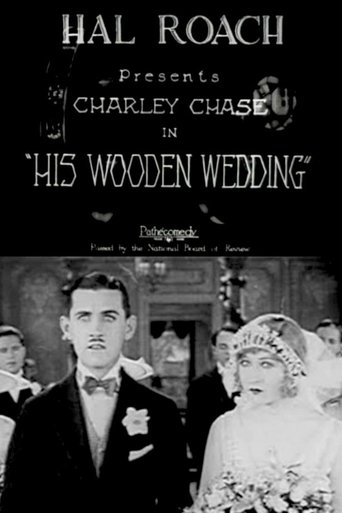
His Wooden Wedding
1925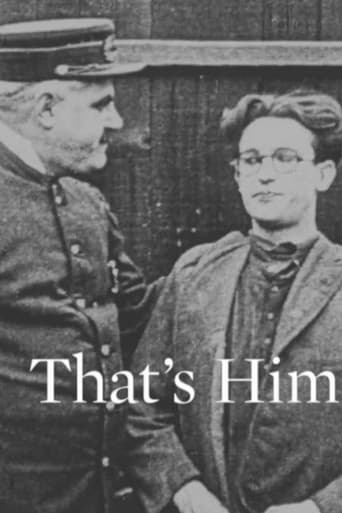
That's Him
1918About Helen Gilmore
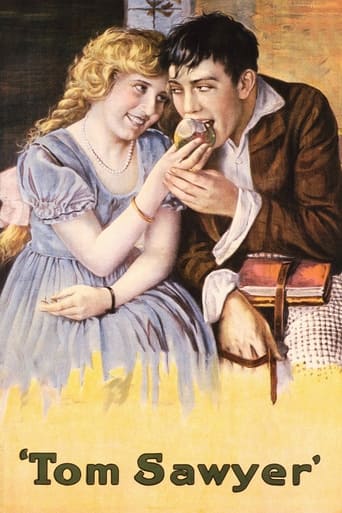
Prolific character actress of the silent film era, best known for her work in comedy shorts during the late 1910s and early 1920s. She began her film career in 1917 with a role in the adaptation of Mark Twain's 'Tom Sawyer,' quickly establishing herself as a reliable supporting player in Hollywood's burgeoning comedy scene. Gilmore found her niche working with some of the era's most celebrated comedians, particularly Harold Lloyd, appearing in several of his popular short films including 'Bumping Into Broadway' (1919) and 'Just Neighbors' (1919). Her distinctive matronly appearance and expressive face made her ideal for playing mothers, landladies, and various authority figures who often served as foils to the comedic leads. Throughout her career, she appeared in over 50 films, working steadily through the transition from shorts to features. While primarily associated with comedy, she demonstrated versatility by appearing in dramas and adaptations of literary works. Her career gradually declined as the sound era approached, with her last known film appearance in 1926, after which she seemingly retired from the film industry.
The Craft
On Screen
Gilmore specialized in character acting with a distinctly theatrical approach typical of the silent era. She employed exaggerated facial expressions and broad gestures to convey emotion and character traits, essential for non-verbal storytelling. Her matronly appearance and stern demeanor made her particularly effective as authority figures who provided comedic contrast to the youthful energy of leading comedians. She had a talent for physical comedy, often playing the straight man in slapstick sequences while maintaining her character's dignity.
Milestones
- Breakthrough role in 'Tom Sawyer' (1917)
- Multiple collaborations with Harold Lloyd
- Regular appearances in Hal Roach comedy shorts
- Transition from supporting roles to character parts
- Work with major comedy stars of the silent era
Best Known For
Iconic Roles
Must-See Films
Working Relationships
Worked Often With
Studios
Why They Matter
Impact on Culture
Helen Gilmore represents the essential but often overlooked character actors who formed the backbone of silent cinema. Her work contributed to the success of numerous comedy shorts that helped define the golden age of silent comedy. As a reliable supporting player, she helped establish the visual language of film comedy, demonstrating how character actors could enhance the effectiveness of comedic sequences. Her performances in Harold Lloyd films helped create the template for the comedy ensemble that would influence generations of filmmakers. Though not a star herself, her contributions to the comedy genre during its formative years were significant in shaping audience expectations and industry standards for supporting performances.
Lasting Legacy
Helen Gilmore's legacy lies in her role as a representative of the dedicated character actors who populated silent films. While she never achieved star status, her body of work serves as a valuable record of the ensemble nature of early film comedy. Her performances have been preserved in several Harold Lloyd shorts that continue to be studied and appreciated by film historians and silent cinema enthusiasts. She exemplifies the journey of countless supporting players from the vaudeville stage to Hollywood studios during the transition to cinema. Her filmography provides insight into the working methods and creative processes of silent era comedy production.
Who They Inspired
As a character actress, Helen Gilmore's influence was primarily in establishing the importance of reliable supporting performances in comedy films. Her work demonstrated how effective character actors could enhance the comedic timing and effectiveness of star performers. The matronly characters she portrayed helped create archetypes that would be refined and referenced in later comedy films. Her ability to maintain character dignity while participating in slapstick sequences influenced subsequent generations of character actors in comedy.
Off Screen
Little detailed information is available about Helen Gilmore's personal life, as was common for supporting actors of her era. She maintained a private life away from the Hollywood spotlight, focusing primarily on her craft rather than seeking celebrity status. As was typical for character actresses of her generation, she never married or had children, dedicating herself entirely to her acting career. After retiring from films in 1926, she lived a quiet life out of the public eye until her death in 1947 at the age of 74.
Education
No formal education records are available, though she likely received some theatrical training given her polished screen presence and ability to adapt to the demands of silent film acting.
Did You Know?
- She was already in her 40s when she began her film career in 1917
- Gilmore appeared in over 50 films in less than a decade
- She worked extensively with Harold Lloyd during his most productive period
- Many of her films were produced by Hal Roach Studios, known for comedy
- She often played characters much older than her actual age
- Her last film appearances coincided with the transition to sound
- Unlike many silent actors, she successfully retired rather than struggling with talkies
- She was part of the stock company of character actors at Hal Roach Studios
- Her stern demeanor in films contrasted with reports of her being kind off-screen
- She began her entertainment career likely in vaudeville before transitioning to films
In Their Own Words
In silent films, your face had to do all the talking. Every wrinkle told a story.
Playing mothers to young comedians was easy - they all needed someone to keep them in line, on screen and off.
Frequently Asked Questions
Who was Helen Gilmore?
American character actress active during the silent film era from 1917 to 1926, best known for her supporting roles in comedy shorts, particularly those starring Harold Lloyd. She specialized in playing matronly figures and authority figures in over 50 films.
What films is Helen Gilmore best known for?
Titles linked here include Tom Sawyer (1917), Bumping Into Broadway (1919).
When was Helen Gilmore born and when did she die?
Born April 3, 1873; died May 27, 1947.
What awards did Helen Gilmore win?
Helen Gilmore did not receive any major awards or nominations during her career, which was typical for supporting character actors of the silent era who often went unrecognized by formal award institutions.
What was Helen Gilmore's acting style?
Gilmore employed a theatrical acting style with exaggerated expressions and gestures typical of silent film actors. She specialized in playing stern matronly characters and excelled at physical comedy while maintaining character dignity, often serving as the straight man to comedic leads.
Why did Helen Gilmore retire from acting?
Helen Gilmore retired from acting in 1926, likely due to the industry's transition to sound films. As an older character actress specializing in silent comedy, she may have found fewer opportunities in the new era of talking pictures.
Did Helen Gilmore work with any famous comedians?
Yes, Helen Gilmore worked extensively with Harold Lloyd,. She also worked with other comedy stars of the period through her association with Hal Roach Studios.