
Are Crooks Dishonest?
"Fake mediums, real crooks"
Keys: Space play/pause · ←/→ 10s · F fullscreen · M mute · </> speed
About this film
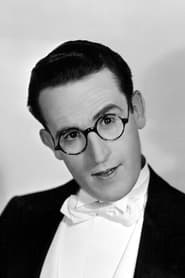
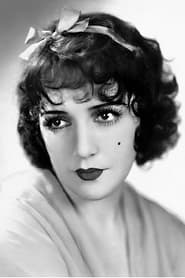
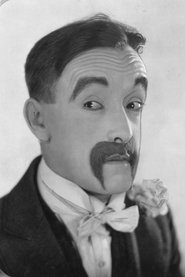
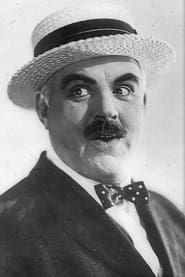
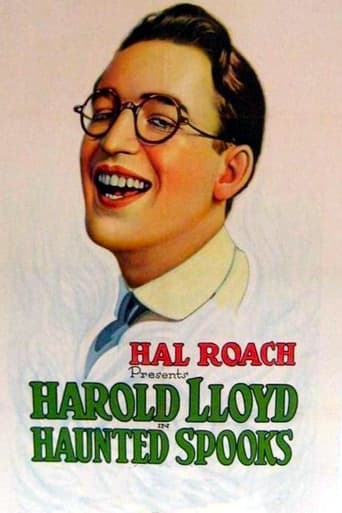
Con men Harold and Snub Pollard try to outwit fake psychic Miss Goulash and her professor father in this 1918 Hal Roach short. Spiritualism scams provided ready material for post-war skepticism comedies.
Cast & crew
More films like this
More Comedy films
View all →







More from Gilbert Pratt
View all →
More about this film
About the production
Release dateMarch 3, 1918
Box officeUnknown - short films of this period were not tracked individually
ProductionHal Roach Studios
Filmed inLos Angeles, California
This was one of Harold Lloyd's early comedy shorts produced during his transition period between his 'Lonesome Luke' character and his famous 'Glasses Character' persona. The film was shot in just a few days, which was typical for comedy shorts of this era. The production took advantage of the growing popularity of spiritualism and fake psychics in the 1910s, which provided rich material for comedic exploitation.
Themes
Deception and honestySpiritualism and skepticismComedy of errorsCriminal moralityGreed and comeuppance
Themes & topics
Historical background
Are Crooks Dishonest? appeared as stage mentalism was both popular entertainment and fraud target; Roach comedies often satirized fad culture.
Why this film matters
While not as well-known as Harold Lloyd's later feature films, 'Are Crooks Dishonest?' represents an important transitional work in Lloyd's career and the development of American comedy cinema. The film presents Lloyd's evolution away from the Chaplin-influenced 'Lonesome Luke' character toward his more sophisticated 'Glasses Character' persona that would make him one of the biggest stars of the 1920s. The film also reflects the public's fascination with spiritualism and skepticism toward fake psychics, themes that would recur throughout popular culture in subsequent decades. As part of Lloyd's extensive short film output, it contributed to establishing the template for American comedy shorts that would dominate theaters throughout the silent era.
Making of
The filming of 'Are Crooks Dishonest?' took place at the Hal Roach Studios facility in Culver City, California. Harold Lloyd was known for his meticulous planning of gags and stunts, even in these early shorts. The séance scene required careful choreography to ensure the fake supernatural effects appeared convincing yet comedic. Bebe Daniels and Harold Lloyd had developed strong comedic chemistry from working together on numerous previous shorts, allowing them to improvise and enhance the scripted material. The production team used practical effects for the spiritualist gags, including hidden wires and trap doors, which were standard techniques for comedy productions of this era.
What critics said
A minor Roach entry, it illustrates the era's appetite for psychic parody in two-reel form.
Did you know?
- This was one of over 200 short films Harold Lloyd made between 1915 and 1920 before transitioning to feature-length films
- The film was released during the height of the spiritualism craze in America, following World War I when many people sought to contact deceased loved ones
- Bebe Daniels, who plays Miss Goulash, was Harold Lloyd's frequent leading lady before he paired with Mildred Davis
- Harry 'Snub' Pollard was a regular member of Harold Lloyd's comedy troupe and appeared in dozens of his shorts
- The title 'Are Crooks Dishonest?' was a play on the moral questions raised in the film about who is really being dishonest when con artists try to outwit each other
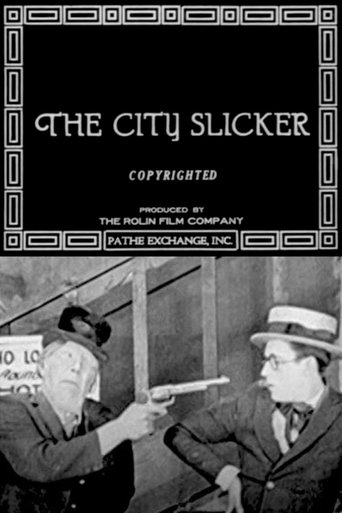
- This short was originally released as part of a double bill with another Harold Lloyd comedy, 'The City Slicker'
- The film features an early example of the séance scene, which would become a recurring trope in comedy films throughout the 1920s
- Gilbert Pratt, the director, was a former actor who had worked with Charlie Chaplin before becoming a director for Hal Roach Studios
Visual style
The cinematography in 'Are Crooks Dishonest?' was typical of Hal Roach Studios productions of the era, featuring clear, well-lit compositions that effectively showcased the physical comedy. The camera work was functional rather than artistic, prioritizing clarity of action and gag visibility over visual experimentation. The séance scenes utilized dramatic lighting to create mysterious atmospheres before undercutting them with comedic reveals. The film employed standard medium shots for dialogue scenes and wider shots for physical comedy sequences, following the established conventions of silent comedy cinematography.
Innovations
While 'Are Crooks Dishonest?' was not notable technically, it demonstrated the efficient production methods that made Hal Roach Studios successful. The film employed practical effects for the supernatural gags, including hidden mechanisms for levitation tricks and ghostly appearances. The editing was crisp and well-paced, essential for maintaining comedic momentum in short films. The production showcased the studio's ability to produce quality comedy shorts quickly and economically, a technical achievement in itself that helped establish Hal Roach as a major comedy producer.
Music
As a silent film, 'Are Crooks Dishonest?' would have been accompanied by live musical performance in theaters. The typical score would have included popular songs of 1918, classical pieces, and specially composed mood music. During séance scenes, theaters would likely used eerie, mysterious music to enhance the atmosphere before switching to comedic, upbeat tunes for the slapstick sequences. The musical accompaniment was crucial for setting the tone and guiding audience emotional responses, as was standard practice for silent comedy shorts of this period.
Famous quotes
As a silent film, dialogue was conveyed through title cards rather than spoken quotes
Memorable scenes
- The fake séance scene where Harold must pretend to be convinced by Miss Goulash's supernatural abilities while simultaneously trying to expose her as a fraud, resulting in chaotic comedic confusion as hidden mechanisms malfunction and the psychic's tricks are revealed to the 'spirits' she's trying to contact.
What audiences thought
Audiences in 1918 responded positively to 'Are Crooks Dishonest?' as part of Harold Lloyd's growing popularity. The film's timely subject matter of fake psychics resonated with viewers familiar with real-life spiritualist scandals. Harold Lloyd's relatable everyman character and the film's fast-paced gags provided the escapist entertainment that wartime audiences craved. The short performed well in theaters as part of comedy programs, contributing to Lloyd's rising star power that would soon enable him to transition to feature films.
Film connections
Influenced by
- Charlie Chaplin's early shorts
- Mack Sennett comedies
- Contemporary spiritualist scandals
This film influenced
- Later Harold Lloyd comedies
- 1920s comedy shorts with psychic themes
- Skeptical portrayals of spiritualism in film
Film restoration
The film survives in its complete form and has been preserved by film archives. Prints exist in several collections, including the Library of Congress and major film preservation institutions. The film has been included in Harold Lloyd DVD collections and is occasionally screened at silent film festivals.
Where to watch
- Available on some Harold Lloyd DVD collections
- Occasionally screened at silent film festivals
- May be available through film archive streaming services
- Public domain versions may exist on various online platforms