
Films
9 films
About Gilbert Pratt
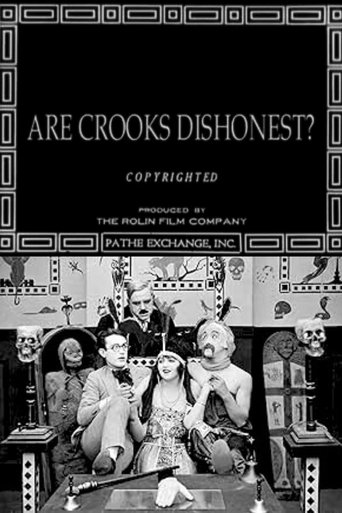
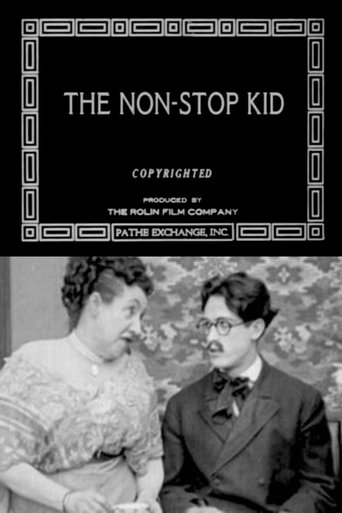
American silent-era film director, screenwriter, and actor: most notable work came during the peak years of short-comedy production in the late 1910s and early 1920s. He is especially associated with fast-paced slapstick and one-reel comic filmmaking, directing a number of lively shorts for major silent-comedy performers and production units. Pratt worked in the same broad creative world that produced the era's best-known comedy films, and his credits place him among the craftsmen who helped define the rhythm and visual grammar of silent screen humor. His filmography includes titles such as The City Slicker, Are Crooks Dishonest?, The Non-Stop Kid, Going! Going! Gone!, and Mud and Sand, which together reflect a career centered on broad physical comedy and parody. In addition to directing, he also worked in other creative capacities in early film production, as was common in the studio system of the silent period. Documentary records on him are comparatively sparse, which is typical for many behind-the-camera figures from the silent era, but his surviving credits confirm a steady professional presence in comedy filmmaking between roughly 1918 and 1926. Because he worked during a formative period for American screen comedy, his contributions are best understood as part of the collective development of silent slapstick rather than through celebrity stardom.
The Craft
Behind the Camera
Pratt's directing style can be understood through the conventions of silent slapstick and parody in which he specialized. His films likely emphasized brisk pacing, visual clarity, broad comic business, and escalation of gags, all essential elements for shorts designed to communicate instantly without dialogue. The surviving titles suggest a taste for topical humor, character-based mishaps, and comic situations that build through repetition and physical exaggeration. Like many silent-comedy directors, he would have relied heavily on blocking, timing, and camera setups that kept action legible to audiences in theaters across the country. His work appears to belong to the practical, efficiency-driven side of studio comedy production rather than the authorial, prestige-focused tradition of feature filmmaking.
Milestones
- Directed a run of silent comedy shorts during the late 1910s and early 1920s, a key period for the development of American slapstick film.
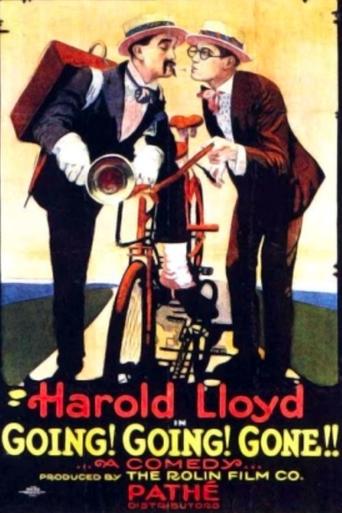
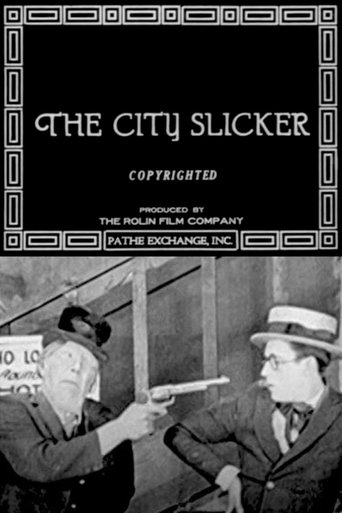
- Helmed The City Slicker, Are Crooks Dishonest?, The Non-Stop Kid, and Going! Going! Gone!, titles that place him within the core production stream of silent one-reel comedy.
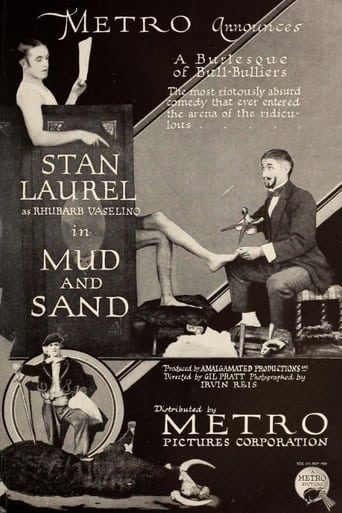
- Directed Mud and Sand (1922), a well-known parody feature associated with the burlesque tradition of early Hollywood comedy.
- Worked during the transition from high-volume short subjects to more elaborate comedy production in the early 1920s.
- Contributed to the professional ecosystem of silent-era comedy in which directors, writers, and performers often moved fluidly between roles.
- Built a career that, while not widely publicized today, is preserved in filmographies and archival references to early American screen comedy.
Best Known For
Must-See Films
Working Relationships
Worked Often With
Studios
Why They Matter
Impact on Culture
Gilbert Pratt's cultural impact lies in his participation in the silent-comedy machinery that shaped American screen humor. Directors like Pratt helped standardize the tempo of the comedic short, refine the use of visual gags, and train audiences to read rapid-fire physical storytelling. Even when individual names are less famous today, their work formed the foundation on which later film comedians and studios built more elaborate comic features. His direction of parody material such as Mud and Sand also reflects an important early Hollywood habit: using cinema to satirize current stars, genres, and social fashions. In this sense, Pratt contributed to a popular culture environment in which film comedy was both mass entertainment and an evolving language of cinematic irony.
Lasting Legacy
Pratt's legacy is that of a working silent-era director whose credits preserve an important slice of early Hollywood comedy history. He represents the many capable filmmakers who kept the short-subject comedy pipeline running during the years when American film language was still being standardized. His work survives primarily through titles and archival records rather than broad popular recognition, but that does not diminish his role in the development of slapstick and parody. For historians, he is significant as part of the larger network of craftsmen who made early screen comedy a durable and internationally influential form. His filmography also provides valuable evidence of how prolific, collaborative, and genre-driven silent comedy production could be.
Who They Inspired
Gilbert Pratt influenced the silent comedy field by contributing to the mechanics and structure of screen humor at a time when those conventions were still being refined. Directors in his position helped establish timing patterns, gag escalation, and the visual readability that later comedy filmmakers inherited. While there is no strong evidence that he mentored major later stars directly, his work participated in a shared professional culture that influenced performers, writers, and directors who came after him. His films helped normalize the idea of parody and comic inversion as commercial film strategies, a technique that remained central to comedy well beyond the silent era.
Off Screen
Reliable biographical information about Gilbert Pratt's personal life is limited in commonly accessible classic-cinema sources. His private life, including marriage, family background, and later years, is not well documented in the surviving reference record available here. This lack of detail is not unusual for many silent-era directors whose careers were substantial but whose off-screen lives were not extensively covered by fan magazines or later biographies. As a result, his personal history remains largely secondary to his professional filmography.
Education
No verified information available on his formal education.
Did You Know?
- He is best remembered today as a silent-comedy director rather than as a star performer.
- His known directing career is concentrated in a relatively short but productive span from 1918 to 1926.
- Mud and Sand is one of his most notable titles because it belongs to the early tradition of feature-length parody.
- The surviving record of his career suggests he worked in the fast-paced world of short subjects, where directors often had to produce efficiently and repeatedly.
- Like many silent-era craftsmen, he is better documented through film credits than through detailed biographical profiles.
- His filmography reflects a strong association with broad, visually driven humor that relied on physical comedy rather than dialogue.
- He worked during a transitional moment when American comedy was moving from one-reel shorts toward more ambitious feature productions.
- The scarcity of personal information about him makes him a typical but important example of the many behind-the-scenes artists of early cinema whose work survives more clearly than their biographies.
Frequently Asked Questions
Who was Gilbert Pratt?
American silent-era on YTB.my. His surviving credits place him among the working filmmakers who helped shape the grammar of slapstick and parody in early Hollywood.
What films is Gilbert Pratt best known for?
Titles linked here include The City Slicker (1918), Are Crooks Dishonest? (1918).
When was Gilbert Pratt born and when did he die?
His birth date and death date are not clearly documented in the readily available classic-cinema reference record used here. He is known primarily through his film credits rather than through a widely detailed biographical profile.
What awards did Gilbert Pratt win?
No major awards or formal honors are widely recorded for Gilbert Pratt in the standard historical sources commonly used for silent-era filmmakers. Like many directors of early short subjects, his recognition is primarily historical and filmographic rather than award-based.
What was Gilbert Pratt's directing style?
His directing style was rooted in silent slapstick and comic parody, emphasizing clear visual storytelling, brisk pacing, and escalating gags. The titles associated with him suggest a practical, audience-friendly approach designed to keep the action readable and the humor immediate.
What was Gilbert Pratt's legacy in film history?
His legacy lies in his contribution to the silent-comedy system that shaped early American film entertainment. He is part of the generation of directors whose craft helped define how physical humor, parody, and short-form comedy worked on screen.