

The Egg
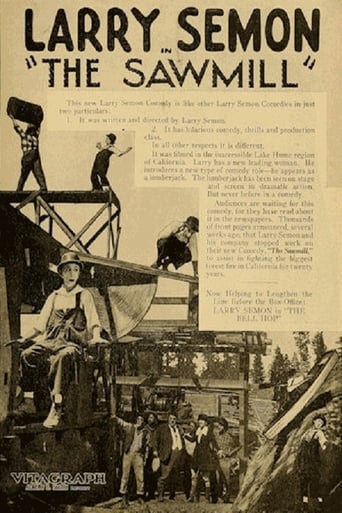
"Stan Laurel wrecks a lumber mill in The Egg."
Keys: Space play/pause · ←/→ 10s · F fullscreen · M mute · </> speed
About this film
Stan plays a mischievous and clumsy worker in a lumber factory.
Cast & crew
More films like this

More Comedy films
View all →







More from Gilbert Pratt
View all →
More about this film
About the production
Release dateMarch 1922
Box officeNot documented - box office tracking was not systematically recorded for short films of this era
ProductionHal Roach Studios
Filmed inLos Angeles, California
This was one of Stan Laurel's early solo comedy shorts before his partnership with Oliver Hardy. The film was produced during the height of the silent comedy era when short subjects were the standard format for comedic films. The lumber factory setting allowed for elaborate physical comedy sequences involving industrial equipment and props typical of the workplace comedy genre popular in the 1920s.
Themes
Workplace comedyPhysical comedyClumsiness and incompetenceIndustrial age humorUnderdog protagonist
Themes & topics
lumber factoryworkplace accidentsslapstickphysical comedysilent comedyshort filmmishapsfactory setting
Historical background
The Egg (1922) reached screens through Hal Roach Studios. Exhibitors of the time built silent-era bills that mixed shorts, features, and live acts, so a clear premise helped The Egg travel between cities and exchange markets.
Why this film matters
Archivists and revival programmers still cite The Egg (1922) when tracing studio habits, casting pools, and the visual rhetoric audiences once took for granted. Even modest surviving prints help map how The Egg fit beside competing releases of its day.
Making of
The production of 'The Egg' took place during a highly productive period for Stan Laurel at Hal Roach Studios, where he was developing his comedic persona. The lumber factory setting was likely constructed on studio backlots, as was common practice for location shooting in the 1920s. Gilbert Pratt, as director, would have worked closely with Laurel to choreograph the elaborate physical comedy sequences that were the hallmark of silent comedies. The filming process would have been rapid, with most comedy shorts of this era being completed in just a few days. The cast and crew would have relied on practical effects and real props rather than the trick photography that would become more common later in the decade.
What critics said
Trade coverage around 1922 discussed The Egg for pacing, clarity, and program fit rather than blockbuster grosses. Later writers value it as evidence of period style and as a reference point beside other films from the same era.
Did you know?
- the production was made during Stan Laurel's period as a solo comedian, five years before he first teamed with Oliver Hardy
- Director Gilbert Pratt was a prolific comedy director who worked with many silent era comedians including Harold Lloyd and Charley Chase
- The lumber factory setting was a popular location for silent comedies due to the potential for physical gags involving machinery and materials
- Stan Laurel developed many of his trademark comic techniques during this early solo period that would later become famous in his Laurel and Hardy films
- the production was released during the peak of silent comedy production, when studios were churning out hundreds of short comedies annually
- The film's title 'The Egg' likely refers to a specific gag or prop central to the plot, though the exact reference is lost due to the film's scarcity
- 1922 was a pivotal year in cinema, with many technical innovations being introduced to comedy filmmaking
- This short was likely distributed theatrically as part of a larger program including newsreels, a feature film, and other comedy shorts
Visual style
The cinematography would have been typical of 1922 comedy shorts, using stationary cameras with occasional pans to follow the action. The lighting would have been primarily natural or studio lighting designed to clearly show the physical comedy sequences. The lumber factory setting would have required careful lighting to ensure visibility in potentially dark industrial environments. The camera work would have been functional rather than artistic, focused on capturing the comedy rather than creating visual beauty. Long takes would have been preferred to allow the physical comedy to play out without interruption.
Innovations
While not groundbreaking in technical terms, 'The Egg' would have utilized standard 1922 film technology including 35mm film stock and basic camera equipment. The film might have featured some simple special effects or trick photography common in comedy shorts of the era. The technical aspects would have focused on clearly capturing the physical comedy rather than artistic innovation. The production would have used the standard editing techniques of the period, including title cards for dialogue and exposition.
Music
As a silent film, 'The Egg' would have been accompanied by live musical performance in theaters. The typical accompaniment would have been a piano or small orchestra playing appropriate mood music synchronized with the on-screen action. The score would have included popular songs of the era as well as original compositions designed to enhance the comedic moments. No original soundtrack recordings would exist for the production, as musical accompaniment was created live for each showing and varied by theater and musician.
Famous quotes
No recorded dialogue exists as this is a silent film
Memorable scenes
- Stan Laurel causing chaos with lumber and machinery in the factory setting, showcasing his trademark physical comedy style
What audiences thought
Audience reception in 1922 would have been measured primarily by laughter and theater bookings rather than formal reviews. Comedy shorts like 'The Egg' were designed to provide light entertainment between newsreels and feature presentations. Stan Laurel was building his reputation during this period, and audience response to his films would have influenced his future projects. The physical comedy and workplace setting would have been relatable and entertaining to contemporary audiences who were familiar with industrial environments. Modern audiences would primarily be interested in the film for its historical value and as an early example of Stan Laurel's work.
Film connections
Influenced by
- Charlie Chaplin's workplace comedies
- Harold Lloyd's safety last style gags
- Mack Sennett's Keystone comedy style
This film influenced
- Later Laurel and Hardy workplace comedies
- Three Stooges shorts featuring industrial settings
- Abbott and Costello's workplace routines
Film restoration
The preservation status of 'The Egg' (1922) is unclear - it may be a lost film, as many silent era shorts have not survived. If prints exist, they would likely be held in film archives or private collections.
Where to watch
- Currently not commercially available - may exist in film archives or private collections. Silent film enthusiasts might find screenings at specialized film festivals or archive presentations.