
Alfred Hollingsworth
Actor
Born: March 11, 1866 in New York City, New York, USA Died: October 19, 1932 Active: 1911-1922
Films
6 films

About Alfred Hollingsworth
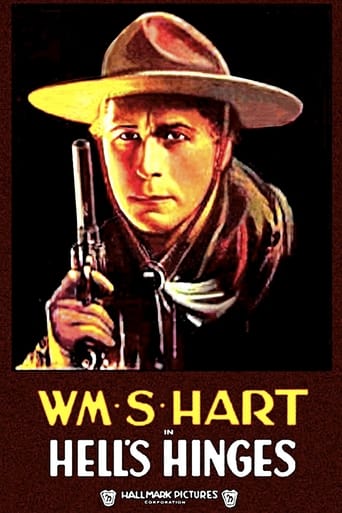
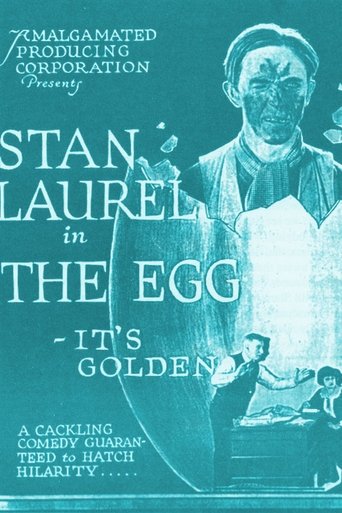
Prolific American character actor during the silent film era, appearing in over 100 films between 1911 and 1922. Born in 1866, he began his film career at the relatively advanced age of 45, bringing extensive theatrical experience to the new medium of motion pictures. Hollingsworth specialized in portraying authoritative figures, fathers, ministers, judges, and other mature character roles that required gravitas and commanding presence. He worked with several prominent directors of the era including William S. Hart and appeared in productions for major studios like Universal and Paramount. His most notable work includes the classic western 'Hell's Hinges' (1916), which is considered silent westerns ever made. Throughout his career, Hollingsworth demonstrated remarkable versatility, appearing in dramatic films, comedies, and westerns alike. After retiring from films in 1922, he spent his final years in California until his death in 1932, having witnessed and contributed to the crucial developmental years of American cinema.
The Craft
On Screen
Hollingsworth employed a theatrical acting style typical of the silent era, characterized by deliberate and expressive gestures that could convey complex emotions without dialogue. His stage background provided him with a commanding presence that translated well to the screen, allowing him to dominate scenes even in supporting roles. He specialized in bringing dignity and authority to his characters, using posture, facial expressions, and measured movements to establish his characters as figures of respect and importance. His technique emphasized clarity and readability, essential for silent film audiences who relied entirely on visual storytelling.
Milestones
- Appeared in over 100 silent films during his 11-year career
- Starred in the classic western 'Hell's Hinges' (1916) with William S. Hart
- Worked with major studios including Universal Pictures and Paramount Pictures
- Successfully transitioned from stage acting to film during cinema's formative years
- Established the archetype of the authoritative father figure in early American cinema
Best Known For
Iconic Roles
Must-See Films
Working Relationships
Worked Often With
Studios
Why They Matter
Impact on Culture
Alfred Hollingsworth contributed significantly to the development of character acting in American silent cinema, helping establish the template for supporting roles that would become essential to film storytelling. His work in 'Hell's Hinges' helped define the visual language of the western genre, particularly in how character actors could provide moral and emotional anchors to action-oriented narratives. As one of the many stage actors who successfully transitioned to film, Hollingsworth represented the professionalization of acting as cinema evolved from a novelty to a respected art form. His extensive filmography provides valuable insight into the types of character roles that filmmakers deemed necessary for compelling narratives during cinema's formative years.
Lasting Legacy
Alfred Hollingsworth's legacy lies in his contribution to the foundation of American cinema's supporting character archetypes, particularly the authoritative father figure that would become a staple in Hollywood films for decades. While not a major star, his prolific career spanning over 100 films demonstrates the crucial role character actors played in establishing the emotional and moral framework of early cinema. His work in 'Hell's Hinges' ensures his place in film history as part of. Hollingsworth represents the generation of experienced stage actors who brought theatrical gravitas to the new medium of film, helping bridge the gap between Victorian-era stagecraft and modern film acting techniques.
Who They Inspired
Hollingsworth influenced subsequent generations of character actors by demonstrating how supporting roles could provide essential emotional and narrative weight to films. His approach to playing authority figures with dignity and authenticity helped establish standards for character acting that would continue throughout Hollywood's Golden Age. The character types he helped develop—particularly the wise father figure and moral authority—became recurring archetypes in American cinema, influencing how filmmakers approached family dynamics and moral storytelling in subsequent decades.
Off Screen
Limited historical documentation exists regarding Alfred Hollingsworth's personal life, which was typical of many character actors from the silent era who did not achieve major stardom. He was married and maintained a family life while pursuing his acting career. His transition from New York theater to California film studios reflected the broader migration of talent from East Coast theater to West Coast film production during this period. After retiring from acting in 1922, he remained in California until his death, suggesting he had established roots in the film community.
Education
Likely had theatrical training given his extensive stage experience before entering films, though specific educational details are not documented in historical records
Did You Know?
- Began his film career at age 45, making him one of the older actors to debut in silent films
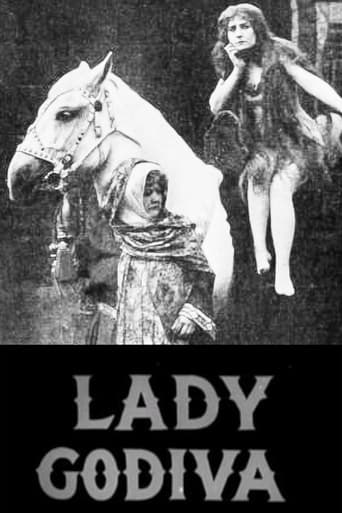
- Appeared in his first film 'Lady Godiva' in 1911, the same year as his 45th birthday
- Worked with western star William S. Hart in multiple films during Hart's peak popularity
- His film active years covered exactly 11 years, from 1911 to 1922
- Appeared in both short films and feature-length productions, showing versatility in the evolving film industry
- Was part of the transition from short one-reel films to longer feature films during the 1910s
- His death in 1932 meant he did not live to see the full transition to sound films
- Worked during the period when film acting was developing its own distinct techniques separate from stage acting
Frequently Asked Questions
Who was Alfred Hollingsworth?
Screen credits include over 100 films between 1911 and 1922. He was known for playing authoritative figures such as fathers, ministers, and judges, bringing theatrical gravitas to his supporting roles in early American cinema.
What films is Alfred Hollingsworth best known for?
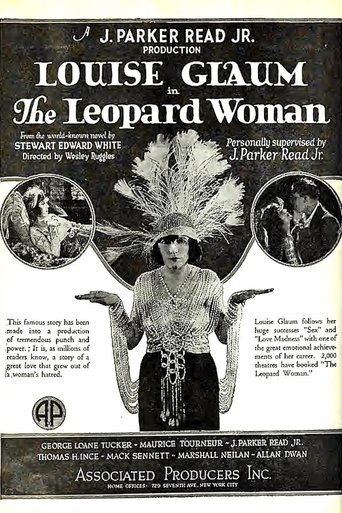
Titles linked here include Hell's Hinges (1916), The Leopard Woman (1920).
When was Alfred Hollingsworth born and when did he die?
Born March 11, 1866; died October 19, 1932.
What was Alfred Hollingsworth's acting style?
Hollingsworth employed a theatrical acting style typical of the silent era, using deliberate gestures and expressive facial features to convey emotion without dialogue. His stage experience gave him a commanding presence that made him particularly effective in authoritative roles requiring dignity and gravitas.
How many films did Alfred Hollingsworth appear in?
Alfred Hollingsworth appeared in over 100 films during his 11-year career from 1911 to 1922. His prolific output made him one of the more recognizable character actors of the silent era, though he never achieved major stardom.
What was Alfred Hollingsworth's contribution to cinema?
Hollingsworth helped establish the archetype of the authoritative father figure in American cinema and contributed to the development of character acting techniques in silent films. His work in significant films like 'Hell's Hinges' helped define the visual language of early cinema genres.
Did Alfred Hollingsworth work in talkies?
No, Alfred Hollingsworth retired from films in 1922, before the transition to sound films in the late 1920s. His entire film career was during the silent era, and he died in 1932, several years after the sound revolution had transformed Hollywood.