

Lady Godiva
"Godiva rides through Coventry to end her husband's harsh taxes."
Keys: Space play/pause · ←/→ 10s · F fullscreen · M mute · </> speed
About this film
Lady Godiva rides naked through Coventry to persuade her husband to lift oppressive taxes on the townspeople.
Cast & crew
More films like this

More Drama films
View all →







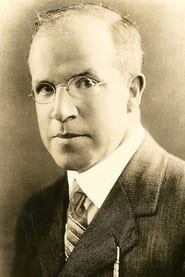
More from J. Stuart Blackton
View all →
More about this film
About the production
Release dateOctober 28, 1911
ProductionVitagraph Company of America
Filmed inBrooklyn, New York (Vitagraph Studios)
This was one of Vitagraph's prestige productions for 1911, featuring elaborate costumes and sets designed to recreate 11th century England. The film used multiple sets including detailed medieval street scenes and interior castle settings. The production employed a large cast of extras to portray the townspeople of Coventry. Special attention was given to the historical accuracy of costumes and props, which was unusual for the period.
Themes
Moral courageSacrifice for the greater goodSocial justicePower and responsibilityGender and agency
Themes & topics
Historical background
Made in 1911, in United States, under J. Stuart Blackton, Lady Godiva belongs to silent filmmaking amid the silent era's rapid stylistic experiments. Lady Godiva is a 1911 American silent historical drama film directed by J.
Why this film matters
Within silent history, J. Stuart Blackton's name attaches to the work; surviving prints help researchers study silent-era craft; 1911 film by J. Stuart Blackton.
Making of
The production of 'Lady Godiva' was typical of Vitagraph's approach to prestige films in the early 1910s. J. Stuart Blackton, who had begun his career as a cartoonist and pioneered stop-motion animation, brought his visual storytelling skills to this historical drama. The studio invested significantly in period costumes and set design to create an authentic medieval atmosphere. The challenge of depicting the famous nude ride while adhering to contemporary moral standards required creative cinematography and careful choreography. The film was shot on Vitagraph's Brooklyn studio lot, which had expanded significantly by 1911 to accommodate larger productions. The cast was drawn from Vitagraph's stock company of actors, with Julia Swayne Gordon being one of their most reliable leading ladies for dramatic roles.
What critics said
Contemporary reviews of Lady Godiva are sparse in open sources; later catalog entries chiefly summarize plot and credits.
Did you know?
- This was one of the earliest film adaptations of the Lady Godiva legend, predating most other cinematic versions of the story.
- Director J. Stuart Blackton was a co-founder of Vitagraph and one of the pioneers of American cinema, known for his innovations in special effects and animation.
- The film was released during a period when historical and literary adaptations were becoming increasingly popular in American cinema.
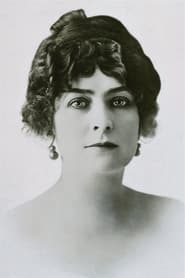
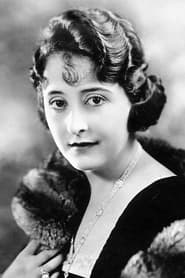
- Julia Swayne Gordon, who played Lady Godiva, was one of Vitagraph's leading actresses and appeared in over 200 films between 1908 and 1924.
- The nude ride was handled with typical 1911 modesty - while the story required Lady Godiva to be naked, the filming used strategic camera angles, props, and likely body stockings to suggest nudity without actually showing it.
- The film was part of Vitagraph's strategy to compete with European historical epics by producing their own prestige pictures based on classic stories.
- This film was released just a few years after the formation of the Motion Picture Patents Company, which Vitagraph was a key member of.
- The original story of Lady Godiva dates back to the 13th century, making this film an early example of medieval legend being adapted for the new medium of cinema.
Visual style
The cinematography, typical of Vitagraph productions of the period, employed static camera positions with careful composition within the frame. The film made effective use of the studio's medieval street sets to create depth and atmosphere. The famous ride sequence likely used tracking shots or multiple camera setups to maintain visual interest while respecting the modesty requirements of the era. The lighting would have been natural or early artificial lighting, creating dramatic contrasts appropriate to the historical subject matter. The cinematography successfully conveyed the emotional weight of key scenes through careful framing and the positioning of actors within the composition.
Innovations
While not groundbreaking in technical terms, the film demonstrated the sophistication that had been achieved in American filmmaking by 1911. The production made effective use of multiple sets and location shooting within the studio confines. The handling of the nude ride sequence required creative solutions to camera placement and editing to suggest the event without violating contemporary moral standards. The film's pacing and narrative structure showed the growing expertise of filmmakers in telling complex stories within the constraints of short-form cinema. The use of intertitles to convey dialogue and narrative information was handled efficiently, maintaining the story's momentum.
Music
As a silent film, 'Lady Godiva' would have been accompanied by live musical performance during theatrical exhibition. The typical Vitagraph presentation would have featured a pianist or small orchestra performing appropriate musical selections. The score likely included classical pieces and popular songs of the era that matched the emotional tone of various scenes. For historical dramas like this, theaters often used music that evoked a sense of antiquity and grandeur. The specific musical selections used for this film are not documented, but they would have been chosen to enhance the dramatic impact of key scenes, particularly the climactic ride sequence.
Famous quotes
I will ride through Coventry for my people's freedom.
Your courage shall be rewarded, and your sacrifice remembered always.
Let the taxes be lifted, for my wife has shown what true nobility means.
Memorable scenes
- The climactic sequence where Lady Godiva rides through the shuttered streets of Coventry, with the camera carefully framing the scene to suggest her nudity while maintaining period-appropriate modesty, as the townspeople respectfully remain indoors, demonstrating their solidarity with her sacrifice.
What audiences thought
The film was reportedly well-received by audiences of 1911, who were increasingly sophisticated in their appreciation of narrative films. The combination of historical drama, moral courage, and the titillating promise of the famous nude ride (handled discreetly) made it an attractive proposition for moviegoers of the period. The film's success helped reinforce Vitagraph's reputation for producing quality dramatic pictures. Contemporary audience reactions were generally positive, with particular praise for Julia Swayne Gordon's performance in the title role. The film's popularity contributed to the growing acceptance of longer, more complex narrative films among American audiences.
Film connections
Influenced by
- The original Lady Godiva legend from medieval chronicles
- Alfred Lord Tennyson's poem 'Godiva' (1842)
- Pre-Raphaelite paintings of the subject
- Stage adaptations of the Godiva story popular in the 19th century
This film influenced
- Later film adaptations of the Lady Godiva story
- Other Vitagraph historical productions
- Early historical dramas featuring strong female protagonists
Film restoration
The film is considered lost, as are the majority of films from this early period of cinema. No complete copies of the 1911 'Lady Godiva' are known to exist in any film archives or private collections. This loss is typical of films from the pre-1915 era, when the value of film preservation was not yet recognized and many films were deliberately destroyed after their theatrical run to recover the silver content of the nitrate film stock. Only fragmentary information about the film's content survives through contemporary reviews, trade publication advertisements, and Vitagraph production records.
Where to watch
- No known viewing options exist as the film is considered lost. Film enthusiasts can only learn about it through historical film databases, contemporary reviews in archives like The Moving Picture World, and film history books that document early Vitagraph productions.