
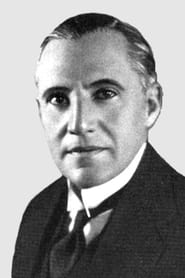
James Young
Actor & Director
Born: January 1, 1872 in Baltimore, Maryland, USA Died: June 16, 1948 Active: 1910-1928 Birth Name: James R. Young
Films
4 films
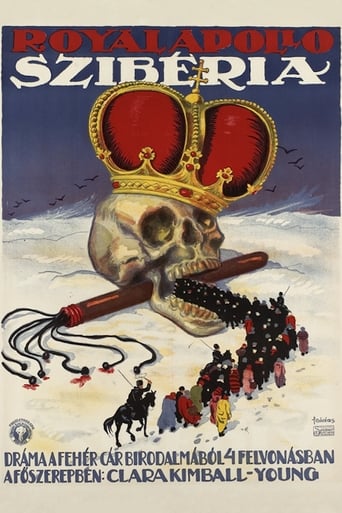
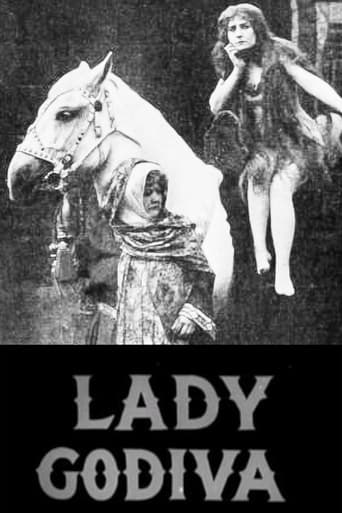
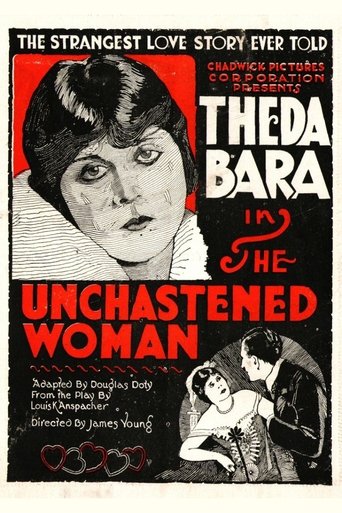
About James Young
Prominent figure in early American cinema who successfully transitioned from acting to directing during the silent era. Born in Baltimore, Maryland in 1872, he began his career on the stage before entering the film industry around 1910, initially working with the Thanhouser Company. Young quickly established himself as a reliable character actor in films like 'Twelfth Night' (1910) and 'Lady Godiva' (1911), often playing supporting roles alongside leading ladies of the day. His marriage to actress Clara Kimball Young in 1912 proved both personally and professionally significant, as they became one of Hollywood's power couples of the 1910s. Young transitioned to directing around 1914, helming numerous films including 'Hearts in Exile' (1915) and 'The Unchastened Woman' (1925), often casting his wife in starring roles. His directorial work showed a sophisticated understanding of visual storytelling and was well-regarded by contemporary critics for its technical polish and emotional depth. Young's career declined with the advent of sound, and he made his final films in the late 1920s before retiring from the industry, having made a significant but often overlooked contribution to early American cinema.
The Craft
On Screen
Young's acting style was typical of the transitional period from stage to screen, characterized by theatrical gestures and expressive facial work adapted for the silent medium. He specialized in character roles, often playing authority figures, romantic leads, or supporting characters that required gravitas and emotional range. His stage background gave him a commanding presence that translated well to the camera, though like many actors of his era, he had to moderate his theatrical instincts for the intimacy of film.
Behind the Camera
As a director, Young was known for his polished visual compositions and ability to extract strong performances from his actors, particularly his wife Clara Kimball Young. His films often featured elaborate sets and sophisticated camera movements for the period, showing his understanding of cinema as a visual medium beyond mere recorded theater. Young demonstrated particular skill in melodramas and romantic stories, using lighting and framing to enhance emotional impact and create atmospheric tension.
Milestones
- Transition from stage actor to film star in 1910
- Marriage to Clara Kimball Young in 1912 creating Hollywood power couple
- Directorial debut with 'The Sins of the Mothers' (1914)
- Directed 'Hearts in Exile' (1915) starring his wife
- Established as leading director at Fox Film Corporation
- Directed final film 'The Unchastened Woman' (1925) starring Clara Kimball Young
Best Known For
Iconic Roles
Must-See Films
Accolades
Special Recognition
- Pioneer in early American cinema
- Recognized for contributions to silent film era
Working Relationships
Worked Often With
Studios
Why They Matter
Impact on Culture
James Young represents the archetype of the stage-to-film pioneer who helped shape early American cinema during its formative years. His work exemplifies the transition from theatrical presentation to cinematic storytelling, particularly in how he adapted his acting and directing techniques for the new medium. As part of one of early Hollywood's first power couples with Clara Kimball Young, he contributed to the emerging celebrity culture and the professionalization of the film industry. His films, while mostly lost to time, were significant in their day for their technical polish and emotional sophistication, helping establish standards for dramatic filmmaking in the silent era.
Lasting Legacy
James Young's legacy lies primarily in his role as a bridge figure between stage and screen during cinema's crucial developmental period. While many of his films have been lost, his work as both actor and director contributed to the establishment of professional filmmaking practices in early Hollywood. His career trajectory from actor to director mirrors the path many early film pioneers took as the industry matured. Young is remembered by film historians as a competent craftsman who helped elevate the artistic quality of American silent films, particularly through his collaborations with Clara Kimball Young and his work at major studios like Fox.
Who They Inspired
Young influenced early cinema through his technical approach to directing and his ability to adapt theatrical performance for the screen. His films demonstrated early uses of sophisticated camera work and lighting techniques that other directors of the period would emulate. As an actor-turned-director, he helped establish the career path that many future filmmakers would follow. His work with Clara Kimball Young also influenced how studios would later develop and market female stars, creating vehicles specifically tailored to their strengths.
Off Screen
James Young's personal life was marked by his high-profile marriage to actress Clara Kimball Young, which began in 1912 and ended in divorce in 1922. Their marriage was. The couple worked together extensively, with Young directing many of his wife's starring vehicles. After their divorce, Young married Marie Tindall in 1923, a union that lasted until his death. The divorce from Clara was highly publicized and included disputes over professional collaboration and finances, reflecting the growing intersection of personal and business relationships in Hollywood.
Education
Stage training through theatrical companies in the late 19th century; no formal film education as film schools did not exist during his formative years
Family
- Clara Kimball Young (1912-1922)
- Marie Tindall (1923-1948)
Did You Know?
- Began his career as a stage actor in the 1890s before entering films
- Was one of the first actors to successfully transition to directing in early Hollywood
- His divorce from Clara Kimball Young was one of the first major Hollywood divorces to receive widespread press coverage
- Directed over 40 films during his career, though most are now considered lost
- Often used the pseudonym 'James R. Young' to distinguish himself from others with the same name
- Was known for his meticulous attention to set design and visual composition
- Served as president of the Motion Picture Directors Association in the early 1920s
- His final film 'The Unchastened Woman' was Clara Kimball Young's last major starring role
- Retired from filmmaking shortly after the advent of sound pictures
- Was a founding member of the original Hollywood Film Trade Board
In Their Own Words
The camera sees everything the stage cannot - the subtle glance, the quiet tear, the unspoken thought
Directing is merely acting with a broader brush
In pictures, we must show rather than tell, for the audience cannot hear our words
The transition from stage to screen requires not less emotion, but more controlled emotion
Frequently Asked Questions
Who was James Young?
American actor and on YTB.my. He began as a stage actor before transitioning to films, working with Thanhouser Company and later becoming a prominent director at Fox Film Corporation. He was married to actress Clara Kimball Young and frequently collaborated with her both as co-star and director.
What films is James Young best known for?
Titles linked here include Hearts in Exile (1915), The Unchastened Woman (1925).
When was James Young born and when did he die?
Born January 1, 1872; died June 16, 1948.
What awards did James Young win?
James Young did not receive major formal awards during his career, as the Academy Awards were not established until 1929, near the end of his active period. However, he was recognized by his contemporaries as a skilled craftsman and served as president of the Motion Picture Directors Association in the early 1920s, indicating respect from his peers in the industry.
What was James Young's directing style?
Young's directing style was characterized by visual sophistication and strong attention to performance. Coming from an acting background, he excelled at drawing nuanced performances from his actors, particularly his wife Clara Kimball Young. His films featured polished compositions, effective use of lighting for emotional impact, and elaborate set design that elevated the production values of his melodramas and romantic stories.