
Hearts in Exile
"Between in czarist and desire"
Keys: Space play/pause · ←/→ 10s · F fullscreen · M mute · </> speed
About this film
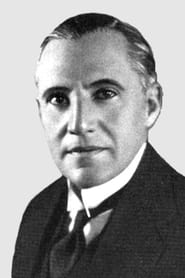
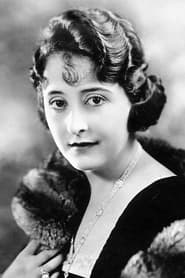
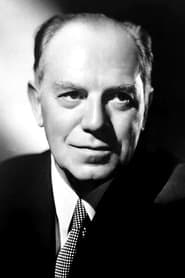
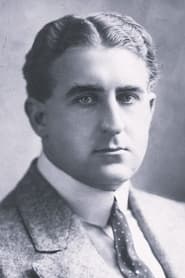
Not far from silent era life, in Czarist Russia, attractive Anna Ivanovna has consecrated her life to work among Russia's persecuted poor. She dispenses food, medicine, and funds to the needy, from a busy charity headquarters. Two men, separate in station, are in love with Ivanovna: Poor doctor Paul helps as
Cast & crew
More films like this
More Drama films
View all →







More from James Young
View all →

More about this film
About the production
Release dateMarch 1, 1915
ProductionWorld Film Corporation
Filmed inFort Lee, New Jersey
Filmed during the early American film industry's concentration in Fort Lee, New Jersey, before the industry's migration to Hollywood. The production utilized elaborate sets to recreate Czarist Russia, including detailed charity headquarters and Siberian prison camp scenes. Director James Young was married to star Clara Kimball Young at the time, and this was one of their many collaborations. The film was produced during World War I, which may have influenced its themes of political oppression and exile.
Themes
Political persecutionCharity and social justiceLove and sacrificeExile and displacementCorruption of power
Themes & topics
Czarist RussiaSiberian exileCharity workPolitical oppressionLove triangleFalse accusationsHard laborSocial classesPolice corruptionMoral integrity
Historical background
Audiences in 1915 encountered Hearts in Exile at a point when the silent era was reshaping what movies could say and show. The film was both produced and distributed by World Film Company. The film is also known as Hearts Afire (American reissue title).
Why this film matters
Hearts in Exile continues to attract interest because it captures a distinctive silent era approach to character and spectacle.
Making of
The production of 'Hearts in Exile' took place during a pivotal moment in American cinema history, when the industry was still centered on the East Coast before the great migration to Hollywood. Director James Young and star Clara Kimball Young were one of the power couples of early Hollywood, with their professional and personal partnership creating numerous successful films. The production faced the technical limitations of 1915 filmmaking, including the challenges of creating convincing Russian settings in New Jersey. The elaborate charity headquarters and Siberian prison camp sets required significant construction effort. The film's themes of political oppression and exile resonated with contemporary audiences who were following the events leading up to the Russian Revolution. The chemistry between the three leads was enhanced by the real-life relationship between Young and his wife Clara, though their marriage would end in scandalous divorce just a few years later.
What critics said
Later criticism frames Hearts in Exile through restoration quality and its director or studio filmography.
Did you know?
- This film was one of many collaborations between director James Young and his then-wife Clara Kimball Young, who was one of the highest-paid actresses of the silent era.
- The film's themes of Russian political persecution were particularly relevant in 1915, as World War I was raging and the Russian Revolution was just two years away.
- Montagu Love, who played the wealthy merchant Serge, would later become a prominent character actor in Hollywood's golden age, often playing aristocratic or military roles.
- The film was produced by World Film Corporation, one of the early major studios that operated primarily in Fort Lee, New Jersey.
- Clara Kimball Young was so popular at the time that her name often appeared above the title in marketing materials, and she commanded one of the highest salaries in the industry.
- The Siberian exile scenes were likely filmed on constructed sets rather than on location, as was common practice for films of this era.
- This film is sometimes confused with other similarly titled works, but it is distinct as the 1915 James Young-directed version.
- The film's runtime of approximately 50 minutes was typical for feature films of this period, which were generally shorter than later feature films.
Visual style
The cinematography by Arthur Martinelli utilized the techniques common to 1915 dramatic features, including careful composition and lighting to create emotional atmosphere. The Russian sets were photographed to maximize their dramatic impact, with particular attention to the contrast between the charity headquarters and the harsh Siberian landscapes. The film employed sophisticated camera movements for the period, including some tracking shots to follow the characters' emotional journeys. The lighting design emphasized the moral qualities of the characters, with Anna often shown in soft, angelic light while the Chief of Police was photographed with harsher, more dramatic shadows. The film's visual style reflected the increasing sophistication of American cinematography during the mid-1910s, moving beyond the static camera work of earlier years.
Innovations
The film demonstrated the advancing technical capabilities of American cinema in 1915, particularly in set construction and production design. The creation of convincing Russian environments on New Jersey soundstages represented significant technical achievement for the period. The film's editing techniques, including cross-cutting between different storylines and locations, showed the growing sophistication of American film narrative techniques. The production utilized the latest lighting equipment available in 1915 to create dramatic effects and mood. The film's successful integration of location-style sets with studio work demonstrated the industry's developing technical capabilities in creating convincing fictional worlds.
Music
As a silent film, 'Hearts in Exile' would have been accompanied by live musical performance during its theatrical run. The typical score would have been compiled from classical pieces and popular music of the era, selected to match the film's emotional tone and dramatic moments. The Russian setting might have inspired the inclusion of Russian-themed musical selections. The film's dramatic scenes would have been accompanied by appropriate musical cues to enhance the emotional impact. Specific information about the original musical accompaniment is not available, but it would have followed the standard practices of 1915 exhibition, with a pianist or small orchestra providing live accompaniment tailored to the theater's resources and the film's needs.
Famous quotes
I have consecrated my life to work among Russia's persecuted poor.
Fifteen years in Siberia - for crimes we never committed!
In exile, our hearts may be broken, but our spirits remain free.
Memorable scenes
- The opening sequence showing Anna Ivanovna distributing charity to the poor, establishing her character's compassion and dedication
- The tense confrontation between Anna and the Chief of Police where he reveals his corrupt intentions
- The courtroom scene where false charges are brought against the three protagonists
- The harrowing journey to Siberia showing the brutality of Czarist justice
- The final scenes in the Siberian camp where the characters face their fate with dignity
What audiences thought
The film was well-received by audiences of 1915, particularly fans of Clara Kimball Young who was one of the era's most popular stars. The film's dramatic story and romantic elements appealed to the growing audience for feature-length films. The Russian setting and political themes added an exotic element that attracted viewers interested in international stories. The film's box office performance was considered solid for a World Film Corporation production, though exact figures are not available. Contemporary trade publications reported that the film played well in major urban markets, where audiences were more sophisticated in their tastes for dramatic features. The film's themes of charity and social justice resonated with Progressive Era audiences who were increasingly concerned with social reform issues.
Film connections
Influenced by
- Literary traditions of Russian social criticism
- Progressive Era social reform movements
- Earlier films about political persecution
- Stage melodramas of the period
This film influenced
- Later films about Russian political themes
- Dramas featuring strong female protagonists
- Films dealing with themes of exile and displacement
Film restoration
The film is considered partially lost or incomplete, which is common for films of this era. Only fragments or incomplete versions may survive in film archives. Some sources suggest that portions of the film may exist in private collections or film archives, but a complete, restored version is not currently available to the public. The film's preservation status reflects the unfortunate loss rate of silent films, with estimates suggesting that up to 90% of silent American films are lost.
Where to watch
- Due to its preservation status, the film is not currently available on commercial streaming platforms or home video. Film archives and specialized silent film collections may hold existing fragments. The Library of Congress and other major film archives should be consulted for any existing materials. Silent film societies and specialized screenings occasionally feature rare fragments of lost films like this one.