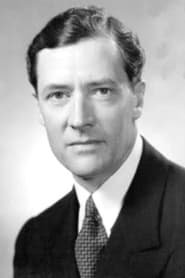
Vernon Steele
Actor
Born: September 18, 1882 in London, England Died: May 23, 1955 Active: 1915-1942 Birth Name: Arthur Byron Hutchinson
Films
1 film
About Vernon Steele
Vernon Steele (1882-1955) was an English-American actor who enjoyed a lengthy career spanning from the silent era into the early sound period of Hollywood. Born Arthur Byron Hutchinson in England, he began his acting career on the London stage before transitioning to films. Vernon appears in numerous silent films throughout the 1910s and 1920s, often playing sophisticated, aristocratic characters that suited his refined demeanor and British accent. Steele successfully made the transition to talking pictures, continuing to work steadily through the 1930s and early 1940s, though often in smaller supporting roles. His filmography includes appearances in over 80 films, working with major studios like MGM, Paramount, and Warner Bros. Despite never achieving leading man status, he became a recognizable character actor known for his portrayals of British gentlemen, doctors, and authority figures. His final film appearances were in the early 1940s before he retired from acting.
The Craft
On Screen
Vernon Steele was known for his refined, dignified acting style that emphasized his British heritage and theatrical training. He often portrayed aristocrats, doctors, military officers, and other professional figures with a commanding presence and precise diction. His performances were characterized by a subtle, understated approach that relied more on facial expressions and controlled gestures than the exaggerated acting common in many silent films. Steele's ability to convey authority and sophistication made him a reliable choice for supporting roles that required gravitas and credibility.
Milestones
- Transition from stage to film in 1915
- Successful transition from silent to sound films
- Appeared in over 80 films during his career
- Worked with major Hollywood studios
- Known for playing aristocratic and professional characters
Best Known For
Iconic Roles
Must-See Films
Working Relationships
Worked Often With
Studios
Why They Matter
Impact on Culture
Vernon Steele contributed to Hollywood's representation of British characters during the golden age of cinema, helping establish the archetype of the English gentleman in American films. His successful transition from silent to sound films demonstrated the importance of theatrical training and diction in the new era of talking pictures. As a character actor, he played a crucial role in supporting leading actors and adding authenticity to period pieces and dramas requiring British characters.
Lasting Legacy
Vernon Steele's legacy lies in his extensive body of work as a reliable character actor who brought authenticity to British roles in Hollywood films. While never a star, his consistent presence in films for nearly three decades exemplifies the importance of supporting actors in creating believable cinematic worlds. His ability to adapt from silent films to talkies and maintain a steady career shows his professionalism and versatility as an actor.
Who They Inspired
Steele influenced subsequent character actors specializing in British roles, demonstrating how to maintain dignity and authenticity while working primarily in supporting parts. His career showed that specialized character actors could find steady employment in Hollywood by developing a niche and consistently delivering reliable performances.
Off Screen
Vernon Steele married actress Vera Lewis in 1916, and they remained together until her death in 1947. The couple often appeared together in films, though typically in separate scenes rather than as romantic leads. After Lewis's death, Steele married actress Virginia Brissac in 1948, and they remained married until his death in 1955. He had no children from either marriage. Outside of acting, Steele was known for his intellectual pursuits and was an avid reader with a particular interest in history and literature.
Education
Trained in theatrical arts in London before beginning his stage career
Family
- Vera Lewis (1916-1947)
- Virginia Brissac (1948-1955)
Did You Know?
- His real name was Arthur Byron Hutchinson
- He was married to two actresses, Vera Lewis and Virginia Brissac
- He appeared in over 80 films during his career
- He successfully transitioned from silent films to talkies
- He often played authority figures due to his dignified appearance
- He began his career on the London stage before moving to films
- He and his first wife Vera Lewis appeared together in several films
- His last film appearance was in 1942
- He was a distant relative of the poet Lord Byron
- He was known for his precise diction, which helped him transition to sound films
In Their Own Words
(On transitioning to sound films) 'The voice is merely another instrument for the actor to master. Those with proper training need not fear the microphone.'
Frequently Asked Questions
Who was Vernon Steele?
English-American with credits in this catalog. Born Arthur Byron Hutchinson in London in 1882, he specialized in playing aristocratic and professional characters, particularly British gentlemen, doctors, and authority figures.
What films is Vernon Steele best known for?
Titles linked here include Hearts in Exile (1915), The Sea Hawk (1924).
When was Vernon Steele born and when did he die?
Born September 18, 1882; died May 23, 1955.
What awards did Vernon Steele win?
Despite his lengthy career and numerous film appearances, Vernon Steele did not receive major awards or nominations. He was primarily a working character actor rather than an award-winning performer.
What was Vernon Steele's acting style?
Steele was known for his refined, dignified acting style that emphasized his British heritage and theatrical training. He portrayed characters with subtlety and control, relying on precise diction and understated gestures rather than the exaggerated expressions common in silent films.