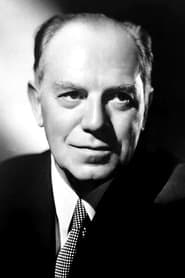
Montagu Love
Actor
Born: March 23, 1877 in Portsmouth, Hampshire, England Died: May 17, 1943 Active: 1914-1943
Films
14 films

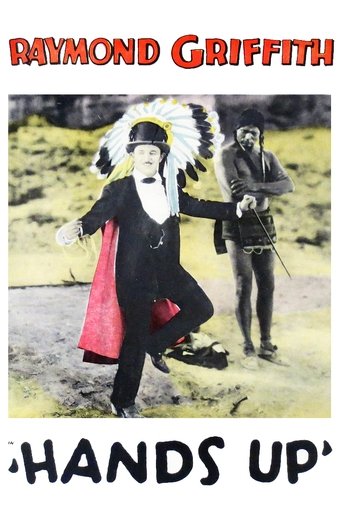

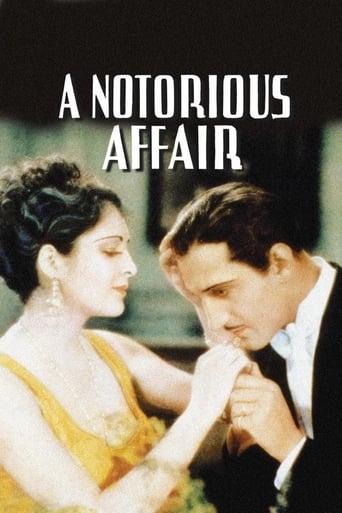
About Montagu Love
British character actor who enjoyed a prolific career in Hollywood during the silent era and early sound period. Born in England, he began his acting career on the London stage before transitioning to films around 1914. Love quickly established himself as a versatile performer, particularly excelling in villainous roles, aristocratic characters, and authority figures. His imposing presence, tall stature, and commanding voice made him a favorite among directors for playing antagonists, military officers, and noblemen. Throughout the 1920s, he appeared in numerous significant films, often alongside major stars of the era. Love successfully made the transition to sound films, continuing his career into the early 1930s. His final years saw him taking on smaller but memorable character roles until his death in 1943, leaving behind a legacy of over 200 film appearances.
The Craft
On Screen
Montagu Love was known for his commanding screen presence and authoritative demeanor, often portraying villains, aristocrats, and military figures with equal conviction. His tall, imposing physique combined with a deep, resonant voice made him particularly effective in roles requiring gravitas and menace. Love specialized in playing sophisticated antagonists, bringing a theatrical flair honed from his stage experience to his film performances. He had a distinctive ability to convey both refinement and threat, making him a memorable presence in costume dramas and adventure films. His acting style was rooted in classical theater techniques, emphasizing clear diction, physical presence, and expressive gestures that translated well from silent to sound cinema.
Milestones
- Stage debut in London theater productions
- Film debut in 1914
- Breakthrough role in 'Don Juan' (1926)
- Successful transition to sound films
- Memorable performance in 'The Adventures of Robin Hood' (1938)
- Over 200 film appearances throughout his career
Best Known For
Iconic Roles
Must-See Films
Accolades
Special Recognition
- Hollywood Walk of Fame star (6377 Hollywood Boulevard)
Working Relationships
Worked Often With
Studios
Why They Matter
Impact on Culture
Montagu Love significantly contributed to the archetype of the British villain in Hollywood cinema, helping establish the template for sophisticated, aristocratic antagonists that would influence countless films. His ability to seamlessly transition from silent to sound films demonstrated the viability of classically trained British actors in the new medium of talkies. Love's performances in costume epics and adventure films helped define the visual language of villainy during Hollywood's Golden Age, particularly in swashbuckler and historical drama genres. His work alongside major stars like Valentino, Barrymore, and Flynn helped elevate these productions through his commanding presence and reliable performances. Love represented the bridge between Victorian theatrical tradition and modern cinema, bringing classical acting techniques to the screen that would influence subsequent generations of character actors.
Lasting Legacy
Montagu Love's legacy endures through his extensive filmography, which serves as a valuable record of character acting during Hollywood's transition from silent to sound cinema. He is remembered as. His contributions to the development of the villain archetype in cinema continue to be studied by film scholars and appreciated by classic film enthusiasts. Love's career trajectory from stage to silent films to talkies exemplifies the adaptability required of actors during this transformative period in film history. His star on the Hollywood Walk of Fame stands as a permanent testament to his significant contributions to American cinema, while his films remain popular among classic movie aficionados.
Who They Inspired
Montagu Love influenced subsequent generations of British character actors in Hollywood by demonstrating how classical training could be effectively adapted for film performance. His success paved the way for other British actors to find steady employment in American cinema, particularly in roles requiring authority, sophistication, or menace. Actors like Basil Rathbone, Claude Rains, and George Sanders built upon the foundation Love helped establish for British character actors in villainous roles. His technique of combining theatrical gravitas with film-specific subtlety became a model for character actors transitioning between mediums. Love's ability to maintain a long career through changing cinematic technologies and tastes demonstrated the value of versatility and professionalism to aspiring actors.
Off Screen
Montagu Love married twice during his lifetime. His first marriage was to actress Marie Lohr, a fellow British performer, though the marriage ended in divorce. He later married Marjorie Hollis, with whom he remained until his death. Love was known for his professionalism and dedication to his craft, maintaining a busy work schedule throughout his career. Despite his frequent villainous roles on screen, colleagues described him as a gentleman off-screen with a dry wit and kind demeanor. He was actively involved in the British expatriate community in Hollywood and often mentored younger British actors in the American film industry.
Education
Educated in England, attended theatrical school and received classical training in drama and performance
Family
- Marie Lohr (1913-1920)
- Marjorie Hollis (1925-1943)
Did You Know?
- Was originally a stage actor in London before moving to films
- Served in the British Army during the Boer War
- Was a skilled horseman, which served him well in swashbuckler films
- Appeared in over 200 films during his 29-year career
- Was one of the few silent film stars who successfully transitioned to sound films without major career interruption
- Often played characters older than his actual age due to his dignified appearance
- Was a close friend of fellow British actor C. Aubrey Smith
- Spoke multiple languages, which helped him secure diverse roles
- His distinctive profile made him a popular subject for film posters and promotional materials
- Never received top billing but was consistently cast in important supporting roles
- Was considered for the role of Professor Moriarty in early Sherlock Holmes adaptations
In Their Own Words
The villain is often the most interesting character in a story. He has reasons for what he does, even if they're misguided.
In silent pictures, your eyes had to do all the talking. In sound pictures, your voice must complement what your eyes are saying.
Being typecast as a villain is not a curse; it's a compliment to one's ability to create memorable characters.
Frequently Asked Questions
Who was Montagu Love?
British character with credits in this catalog. Known for his imposing presence and authoritative demeanor, he specialized in playing villains, aristocrats, and military figures in over 200 films between 1914 and 1943.
What films is Montagu Love best known for?
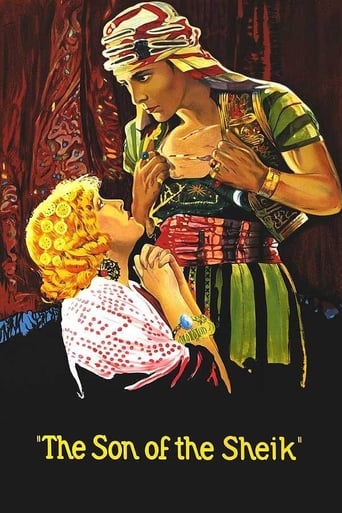
Titles linked here include Don Juan (1926), The Son of the Sheik (1926).
When was Montagu Love born and when did he die?
Born March 23, 1877; died May 17, 1943.
What awards did Montagu Love win?
While Montagu Love did not receive any major acting awards during his lifetime, he was honored with a star on the Hollywood Walk of Fame at 6377 Hollywood Boulevard, recognizing his significant contributions to American cinema.
What was Montagu Love's acting style?
Love's acting style was characterized by his commanding presence, classical training, and versatility. He brought theatrical gravitas to his film performances, excelling at portraying sophisticated villains and authority figures with distinctive authority and menace, making him.