The Last Warning
"A producer decides to reopen a theater."
Keys: Space play/pause · ←/→ 10s · F fullscreen · M mute · </> speed
About this film
A producer decides to reopen a theater, that had been closed five years previously when one of the actors was murdered during a performance, by staging a production of the same play with the remaining members of the original cast.
Cast & crew
More films like this
More Horror films
View all →

More from Paul Leni
View all →
More about this film
About the production
Release dateDecember 15, 1929
ProductionUniversal Pictures
Filmed inUniversal Studios, Universal City, California, USA
The Last Warning was filmed during the difficult transition period from silent to sound cinema. Director Paul Leni utilized innovative techniques including both synchronized sound segments and traditional silent sequences with intertitles. The film featured elaborate theater sets designed to create an authentic backstage atmosphere, and Leni employed German Expressionist lighting techniques to enhance the mysterious and supernatural elements of the story.
Themes
Theater and performanceSupernatural vs. rational explanationJustice and revengeThe past haunting the presentDeception and hidden identities
Themes & topics
haunted theatermurder mysteryplay within a playreopeningcursed productionbackstagesupernaturalrevengeblackmailjealousyidentity theftghostly warnings
Historical background
Made around 1929, The Last Warning engaged audiences already fluent in a producer decides to reopen a theater, that had been closed five years previously when one of the actors was murdered during a performance, by staging a production of the same play with the remaining members of the original cast as a screen subject.
Why this film matters
Archivists revisit The Last Warning (1929) for performance styles and craft choices later mainstream releases refined.
Making of
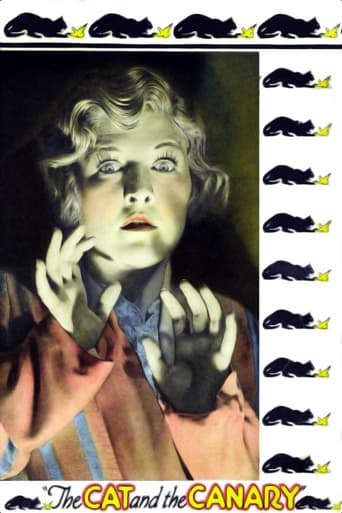
The production of 'The Last Warning' faced numerous challenges during the chaotic transition to sound in Hollywood. Director Paul Leni, known for his visual mastery in German Expressionist cinema like 'The Cat and the Canary' (1927), had to adapt his style to accommodate sound recording equipment. The studio's sound stages were not yet fully equipped, forcing the crew to improvise with soundproofing techniques. The cast, primarily silent film actors, had to undergo voice coaching for their speaking parts. The film's hybrid nature resulted from technical limitations - some scenes were shot with sound while others were filmed silently and synchronized with music and effects later. Tragically, Leni died of septicemia shortly after completing the film, making it his final directorial work and a poignant end to his influential career in both German and American cinema.
What critics said
Trade papers near 1929 listed The Last Warning as program material rather than headline art cinema.
Did you know?
- This was Paul Leni's final film before his death from blood poisoning in September 1929 at age 44
- The film is based on the 1922 Broadway play 'The Last Warning' by Thomas F. Fallon
- It was one of Universal's early hybrid films, featuring both talking and silent sequences
- The movie was originally intended to be a full sound production but was partially converted to silent due to technical difficulties
- Laura La Plante was one of Universal's biggest stars in the 1920s, but this was among her last major roles
- The theater set was so elaborate that it was reported to have cost over $100,000 to construct
- The film featured early use of sound effects to create suspense, including creaking doors and mysterious whispers
- Montagu Love, who plays the producer, was a Shakespearean stage actor who successfully transitioned to films
- The film's German director brought Expressionist cinema techniques to Hollywood horror
- Despite being released in 1929, the film has a distinctly silent film aesthetic in its visual storytelling
Visual style
The cinematography by Gilbert Warrenton Paul Leni's German Expressionist influences with dramatic use of shadows, unusual camera angles, and stark lighting contrasts. The film employs innovative camera movements including tracking shots through the theater's corridors and sweeping crane movements that enhance the sense of space and menace. Warrenton utilized deep focus photography to create layers of action within the theater sets, and made extensive use of low-key lighting to generate suspense and mystery. The visual style combines the moody, shadow-filled aesthetics of German horror with the more polished look of Hollywood studio productions, creating a distinctive visual identity that bridges both traditions.
Innovations
The Last Warning represents an important technical achievement as an early hybrid sound film that successfully blended synchronized sound sequences with traditional silent film techniques. The production utilized the Movietone sound-on-film system, which was cutting-edge technology for 1929. The film's elaborate theater sets were designed to accommodate both sound recording equipment and the mobile camera movements essential to Leni's visual style. The production team developed innovative soundproofing methods to reduce noise from the camera and other equipment, a significant challenge in early sound filming. The film also demonstrated early techniques in sound editing, particularly in the creation and placement of sound effects to enhance suspense and horror elements.
Music
The film features a synchronized musical score by Joseph Cherniavsky, combined with sound effects and limited dialogue sequences. The music was performed by the Universal Studio Orchestra and recorded using the Movietone sound-on-film system. The score includes dramatic orchestral passages during suspenseful scenes, lighter musical accompaniment for romantic moments, and eerie atmospheric music for supernatural occurrences. Sound effects such as creaking doors, mysterious footsteps, and ghostly whispers were carefully synchronized to enhance the horror elements. The limited dialogue segments feature the main actors speaking, while other scenes retain intertitles from the silent film tradition, creating a unique hybrid audio experience characteristic of early transitional films.
Famous quotes
The theater is cursed! Five years ago, a man died on this very stage during this very play!
Every time the curtain rises, someone dies!
The show must go on... even if it kills us!
There are ghosts in this theater, and I'm not talking about the ones on stage!
Some plays should never be revived, especially when the original cast wants to keep them buried!
Memorable scenes
- The opening sequence where the producer discovers the abandoned theater and decides to reopen it, featuring sweeping camera movements through the dusty, cobweb-filled auditorium
- The rehearsal scene where mysterious footsteps are heard backstage and lights flicker mysteriously, creating genuine suspense
- The climactic performance scene where the murder is reenacted and the real killer is revealed through a series of dramatic confrontations
- The atmospheric chase sequence through the theater's labyrinthine backstage corridors, utilizing Expressionist lighting and shadows
What audiences thought
Audiences in 1929 responded positively to the film's mystery elements and spooky atmosphere, though some were reportedly confused by the mix of silent and talking sequences. The film performed moderately well at the box office, benefiting from the public's fascination with both horror films and the new sound technology. Modern audiences who have discovered the film through revival screenings and home video releases have generally appreciated its historical significance and atmospheric qualities, though some find the pacing slow by contemporary standards. The film has developed a cult following among classic horror enthusiasts and fans of early sound cinema.
Film connections
Influenced by
- The Cat and the Canary (1927)
- German Expressionist cinema
- Broadway mystery plays
- Victorian melodrama
- Gothic literature
This film influenced
- The Phantom of the Opera (1925)
- The Old Dark House (1932)
- The Raven (1935)
- House of Wax (1953)
- Theater of Blood (1973)
- Stage Fright (1950)
Film restoration
The Last Warning survives in its complete form and has been preserved by the Universal Studios film archive. A 35mm nitrate print exists in the Library of Congress collection. The film has undergone restoration work to preserve both its visual and audio elements, though some deterioration is evident due to the age and instability of the original nitrate stock. The restored version includes both the sound sequences and the originally silent portions with their musical score. The film is occasionally screened at classic film festivals and has been released on DVD by Universal as part of their horror classics collection.
Where to watch
- Available on DVD from Universal Studios Home Entertainment
- Streaming on Amazon Prime Video
- Available for rental or purchase on iTunes
- Occasionally screened at classic film festivals and revival theaters
- Available on some classic film streaming services specializing in public domain and restored films