
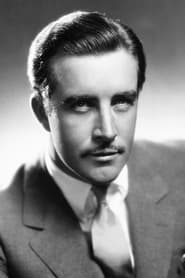
John Boles
Actor
Born: October 28, 1895 in Greenville, Texas, USA Died: February 27, 1969 Active: 1923-1952
Films
5 films
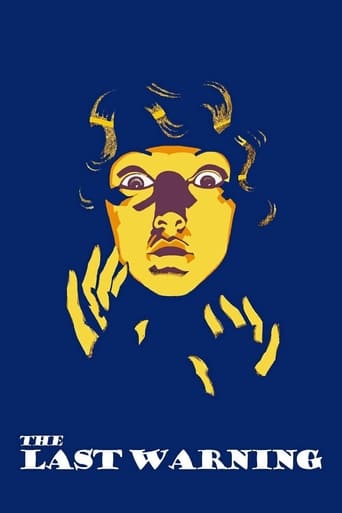
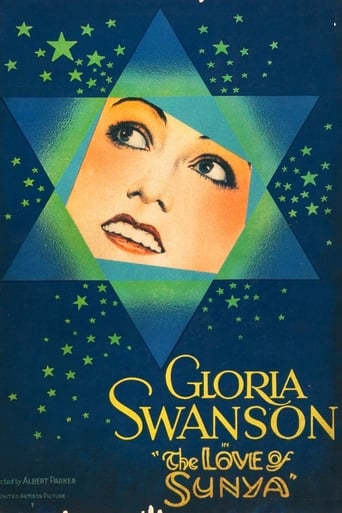
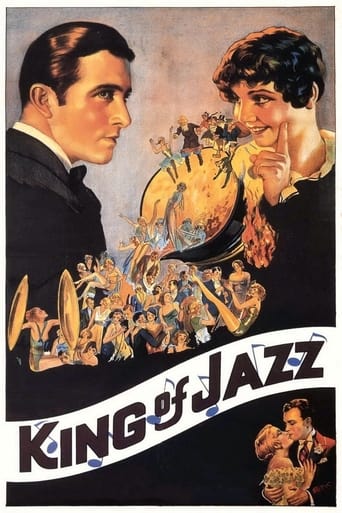
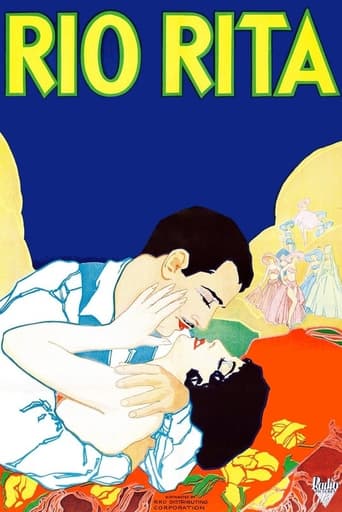
About John Boles
American actor and singer who achieved remarkable success during Hollywood's transitional period from silent films to talkies. Born in Texas in 1895, Boles began his career on Broadway before making his film debut in the late 1920s, quickly establishing himself as a leading man with his handsome features and impressive baritone voice. He seamlessly adapted to the new sound era, starring in numerous early musicals and romantic dramas that showcased both his acting and vocal talents. His career peaked in the 1930s when he became one of Universal Pictures' most reliable stars, appearing in over 40 films during that decade. Boles was particularly known for his roles opposite some of Hollywood's most famous actresses, including Irene Dunne, Barbara Stanwyck, and Katharine Hepburn. Despite his success, he gradually stepped back from film work in the 1940s, returning occasionally to Broadway and television before his retirement. His the golden age of Hollywood, making him a significant figure in the transition from silent cinema to the sound era.
The Craft
On Screen
John Boles was known for his smooth, sophisticated acting style that perfectly suited the romantic leading man roles he frequently portrayed. His polished delivery and refined mannerisms made him particularly effective in playing aristocratic characters, wealthy businessmen, and professional men. Boles possessed a natural charm and elegance that translated well to the screen, allowing him to convey complex emotions with subtle facial expressions and controlled gestures. His transition from silent films to talkies was remarkably smooth, thanks to his clear diction and pleasant speaking voice. In musical films, his baritone singing voice added another dimension to his performances, making him one of the few actors who could successfully balance dramatic acting with musical numbers. His acting approach was more restrained and naturalistic compared to some of his contemporaries, which helped his work remain timeless.
Milestones
- Broadway debut in 'Little Jesse James' (1923)
- Film debut in 'The Love of Sunya' (1927)
- Starred in Universal's 'Frankenstein' (1931)
- Major success in 'One Night of Love' (1934)
- Academy Award consideration for 'Stella Dallas' (1937)
- Returned to Broadway in 'Kiss and Tell' (1943)
- Final film appearance in 'The Great Dan Patch' (1949)
Best Known For
Iconic Roles
Must-See Films
Accolades
Won
- Photoplay Magazine Medal of Honor for 'Stella Dallas' (1937)
Nominated
- Considered for Academy Award for Best Supporting Actor for 'Stella Dallas' (1937)
Special Recognition
- Hollywood Walk of Fame Star (located at 6548 Hollywood Blvd)
- University of Texas Alumnus Award (posthumously)
Working Relationships
Worked Often With
Studios
Why They Matter
Impact on Culture
John Boles played a significant role in Hollywood's transition from silent films to talkies, representing the type of sophisticated leading man who could successfully navigate both mediums. His performance in 'Frankenstein' contributed to the film's enduring legacy as a horror classic, even though he was not the film's primary star. Boles helped establish the template for the romantic leading man in early sound films, combining traditional silent film acting techniques with the new requirements of vocal performance. His work in musical films like 'One Night of Love' demonstrated how dramatic actors could successfully incorporate musical elements into their performances, influencing subsequent generations of actor-singers. As a Texas native who achieved Hollywood stardom, he represented the broader Americanization of Hollywood's leading men, moving away from the European-influenced types that dominated earlier cinema.
Lasting Legacy
John Boles' legacy lies in his successful navigation of one of Hollywood's most challenging transitional periods, proving that silent film stars could adapt and thrive in the sound era. His filmography serves as a valuable record of early sound cinema techniques and the evolution of acting styles during the 1930s. While not as widely remembered today as some of his contemporaries, Boles' performances in films like 'Stella Dallas' and 'Frankenstein' continue to be studied by film scholars and appreciated by classic cinema enthusiasts. His contribution to establishing the romantic leading man archetype in early sound films influenced subsequent generations of actors. The durability of his marriage in an era of Hollywood divorces also set an example of personal stability amid the chaos of stardom. His star on the Hollywood Walk of Fame ensures that his contributions to cinema are permanently recognized in the heart of Hollywood.
Who They Inspired
John Boles influenced the development of the sound-era leading man through his naturalistic acting style and successful integration of musical performance into dramatic roles. His smooth transition from silent to sound films provided a model for other actors facing the same challenge. Younger actors at Universal, where he was a major star, looked to his professional conduct and career management as examples of how to maintain longevity in Hollywood. His work with directors like James Whale helped establish collaborative approaches to filmmaking that became more common as the studio system evolved. The sophistication and restraint he brought to his performances contrasted with the more theatrical styles of some contemporaries, paving the way for more naturalistic acting approaches that would become standard in later decades.
Off Screen
John Boles led a relatively private personal life compared to many Hollywood stars of his era. He married Marielite Dobbs in 1924, and their marriage lasted until his death in 1969, making it one of Hollywood's most enduring unions of that period. The couple had one daughter, Carol, who maintained a low profile away from the entertainment industry. Boles was known for his intellectual pursuits and was an avid reader throughout his life. He served in the United States Army during World War I, which interrupted his university studies. After retiring from acting, he returned to his native Texas, where he lived quietly until his death from a heart attack at age 73. His dedication to his family and his decision to step away from the Hollywood spotlight demonstrated his commitment to a balanced life beyond stardom.
Education
Attended the University of Texas at Austin before serving in World War I; later studied voice and drama in New York City
Family
- Marielite Dobbs (1924-1969)
Did You Know?
- Was originally considered for the role of Dr. Frankenstein in 'Frankenstein' before it went to Colin Clive
- Had an excellent baritone singing voice that led to many musical film roles
- Served as a second lieutenant in the US Army Air Service during World War I
- Was a cousin of American humorist John Henry Faulk
- Turned down the role that eventually went to Clark Gable in 'Red Dust' (1932)
- Was one of the few actors who successfully made the transition from Broadway to silent films to talkies
- His performance in 'Stella Dallas' was praised by critics as one of his finest dramatic roles
- Was offered a contract by MGM in the 1920s but declined to continue on Broadway
- Spoke fluent French, which helped him in international film markets
- After retiring from films, he became a successful cattle rancher in Texas
In Their Own Words
On acting in talkies: 'The microphone is not your enemy; it's your friend if you learn to speak to it, not at it.'
On his career choices: 'I'd rather play a small part in a great picture than a great part in a small picture.'
On Hollywood: 'This town can make you or break you, but it never forgets you.'
On his singing: 'I never set out to be a singer, but when the pictures started talking, I had to learn to carry a tune or carry my bags.'
Frequently Asked Questions
Who was John Boles?
American with credits in this catalog. Known for his handsome appearance and baritone voice, he starred in numerous films including 'Frankenstein' and 'Stella Dallas.'
What films is John Boles best known for?
Titles linked here include Frankenstein (1931), Stella Dallas (1937).
When was John Boles born and when did he die?
Born October 28, 1895; died February 27, 1969.
What awards did John Boles win?
John Boles received the Photoplay Magazine Medal of Honor for his performance in 'Stella Dallas' (1937) and was considered for an Academy Award nomination for the same role. He also has a star on the Hollywood Walk of Fame.
What was John Boles' acting style?
John Boles was known for his smooth, sophisticated acting style characterized by naturalistic delivery and refined mannerisms. His approach was more restrained than many of his contemporaries, making him particularly effective in romantic leading roles and helping him transition successfully to sound films.
Did John Boles have a singing career?
Yes, John Boles had an excellent baritone voice that led to numerous roles in musical films. His singing ability was particularly valuable during the early sound era when studios sought actors who could both act and sing.
Was John Boles married?
John Boles was married to Marielite Dobbs from 1924 until his death in 1969, making their marriage one of Hollywood's most enduring unions of that era. They had one daughter together named Carol.