
Carrie Daumery
Actor
Born: March 25, 1868 in Brussels, Belgium Died: July 1, 1938 Active: 1921-1929 Birth Name: Caroline Daumery
Films
9 films
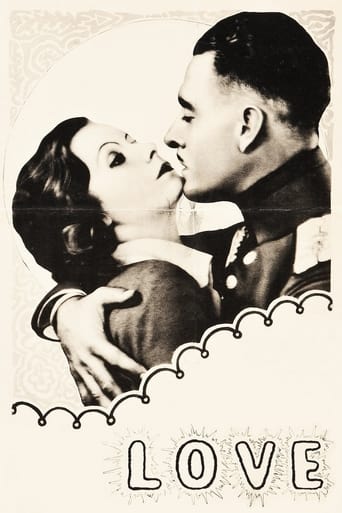
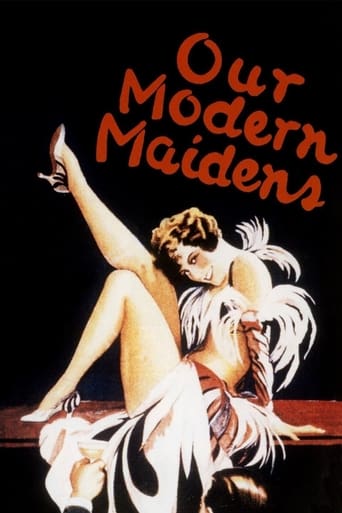
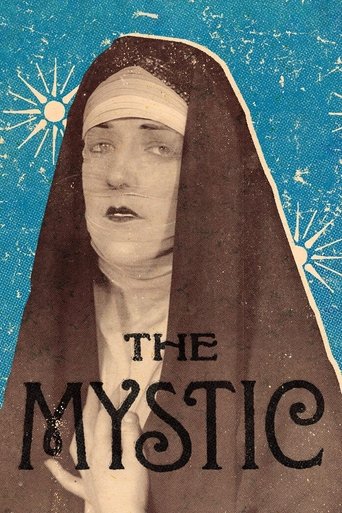
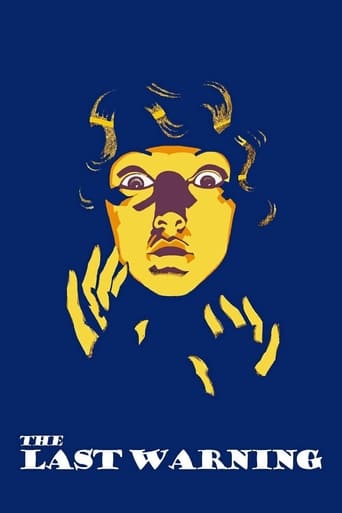
About Carrie Daumery
Belgian-born American actress who found success during the silent film era of the 1920s. Born Caroline Daumery in Brussels, she began her career on the European stage before emigrating to the United States and transitioning to motion pictures. She made her film debut in 1921 and quickly established herself as a reliable character actress, often portraying aristocratic or maternal figures in prestigious productions. Daumery worked with some of the era's most prominent directors, including Ernst Lubitsch, appearing in both dramatic and comedic roles across various genres. Her career peaked in the mid-1920s with appearances in major productions like 'The Merry Widow' and 'The Eagle.' Like many silent film actors, her career declined with the advent of sound pictures, and she made her final film appearance in 1929. She spent her remaining years in Los Angeles until her death in 1938, leaving behind a legacy of subtle, nuanced performances that captured the essence of silent era acting.
The Craft
On Screen
Daumery was known for her refined, subtle acting style typical of European-trained performers. She excelled at conveying emotion through minimal gestures and expressive eyes, a crucial skill in silent cinema. Her performances were characterized by a natural dignity and gravitas, making her particularly effective in roles requiring aristocratic bearing or maternal warmth. Unlike many silent era actors who relied on exaggerated expressions, Daumery's approach was more restrained and psychologically nuanced, reflecting her stage training background.
Milestones
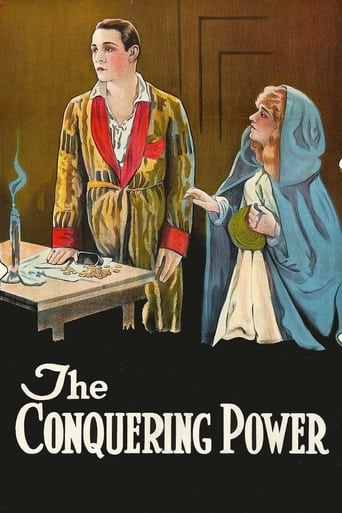
- Film debut in The Conquering Power (1921)
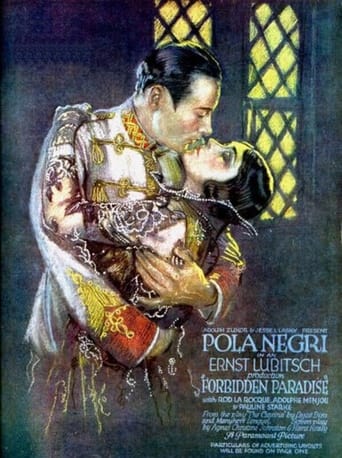
- Collaboration with director Ernst Lubitsch on Forbidden Paradise (1924)
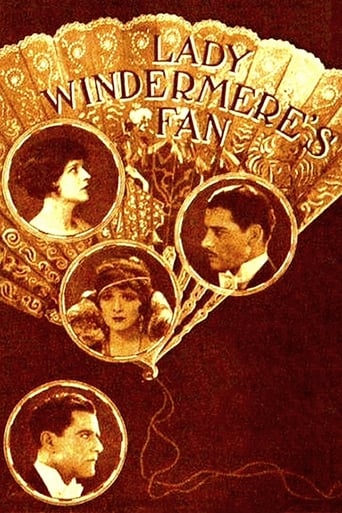
- Role in Lady Windermere's Fan (1925) directed by Ernst Lubitsch
- Appearance in The Merry Widow (1925) directed by Erich von Stroheim
- Final film appearance in The Mysterious Island (1929)
Best Known For
Iconic Roles
Must-See Films
Working Relationships
Worked Often With
Studios
Why They Matter
Impact on Culture
Carrie Daumery represented the wave of European talent that enriched American cinema during the silent era. Her presence in Hollywood productions helped lend authenticity to period pieces and European-set films, contributing to the industry's growing international sophistication. As an older actress in a youth-obsessed industry, she demonstrated the importance of character actors in creating fully realized cinematic worlds. Her career trajectory also illustrates the challenges faced by foreign-born performers during the transition to sound, when accents and language barriers often ended careers.
Lasting Legacy
Daumery's legacy lies in her contributions to the golden age of silent cinema, where she helped establish the archetype of the dignified European matron in American films. Her performances, while often in supporting roles, added depth and authenticity to major productions of the 1920s. She represents the countless character actors who were essential to the studio system's success but whose names have faded from popular memory. Her work survives as proof of the craft of silent film acting and the international nature of early Hollywood.
Who They Inspired
While not a major star whose influence can be directly traced, Daumery contributed to the development of more naturalistic acting styles in silent cinema. Her refined, understated approach contrasted with the more theatrical performances common in early films, helping pave the way for the subtle techniques that would become standard in sound cinema. Her success as a European actress in Hollywood also helped open doors for other foreign performers in American films.
Off Screen
Carrie Daumery married American actor and director Harry A. Pollard, with whom she had one daughter, Pollard (also known as Polla Pollard), who also became an actress. The family was part of Hollywood's growing European expatriate community during the 1920s. Daumery maintained connections to her Belgian heritage throughout her life, often being cast in roles that required European authenticity. Her marriage to Pollard provided her with additional industry connections and opportunities during her film career.
Education
Stage training in Europe before transitioning to film
Family
- Harry A. Pollard (dates unknown)
Did You Know?
- Born in Brussels, Belgium, making her one of the few Belgian actresses in early Hollywood
- Began her career as a stage actress in Europe before transitioning to American films
- Often cast as aristocratic or European characters due to her authentic bearing and accent
- Worked with legendary director Ernst Lubitsch on multiple occasions
- Appeared in films with major stars like Rudolph Valentino and Pola Negri
- Her active years covered the entire peak period of silent cinema (1921-1929)
- Like many silent actors, her career ended with the transition to sound pictures
- Her daughter Pollard also became an actress, continuing the family's entertainment legacy
- Was part of Hollywood's significant European expatriate community during the 1920s
- Often without on-screen billing in her early film roles, common for character actors of the era
In Their Own Words
No documented famous quotes are available from Carrie Daumery, as was common for supporting actors of the silent era who rarely gave interviews or had their words preserved in print.
Frequently Asked Questions
Who was Carrie Daumery?
Belgian-born American actress who worked in silent films during the 1920s. She was known for playing supporting roles, often as aristocratic or maternal characters, in major Hollywood productions before her career ended with the transition to sound cinema.
What films is Carrie Daumery best known for?
Titles linked here include The Conquering Power (1921), Forbidden Paradise (1924).
When was Carrie Daumery born and when did she die?
Born March 25, 1868; died July 1, 1938.
What awards did Carrie Daumery win?
Carrie Daumery did not receive any major awards or nominations during her career. This was common for character actors in the silent era, as the award systems we know today were not yet established.
What was Carrie Daumery's acting style?
Daumery was known for her refined, subtle acting style that emphasized natural expressions and minimal gestures. Unlike many silent actors who used exaggerated movements, she brought a European sophistication and psychological nuance to her roles, particularly effective for portraying aristocratic characters.
Why did Carrie Daumery's career end in 1929?
Like many silent film actors, Daumery's career ended with the advent of sound pictures. The transition to talkies was particularly challenging for actors with noticeable accents or those whose acting styles didn't translate well to the new medium, leading to the end of her film career in 1929.