



Forbidden Paradise
"Saved a queen — lost a lover"
Keys: Space play/pause · ←/→ 10s · F fullscreen · M mute · </> speed
About this film
Officer Alexei saves Queen Vera of a Balkan kingdom and abandons lady-in-waiting Anna for the throne, only to discover Vera's infidelity. Ernst Lubitsch directs Pola Negri in a continental romance of betrayal and royal glamour.
Cast & crew
More films like this


More Comedy films
View all →







More from Ernst Lubitsch
View all →
More about this film
About the production
Release dateSeptember 15, 1924
ProductionFamous Players-Lasky Corporation
Filmed inParamount Studios, Hollywood, California
This was Pola Negri's third film under her contract with Paramount Pictures and her second collaboration with Ernst Lubitsch. The film showcased Lubitsch's sophisticated visual storytelling technique that would become known as 'the Lubitsch Touch.' The production featured elaborate sets designed to evoke a fictional Russian court, with costumes and art direction reflecting the opulent lifestyle of European royalty. The film was originally titled 'The Czarina' but was changed to avoid political controversy following the Russian Revolution.
Themes
Power and corruptionLove and betrayalPolitical revolutionClass differencesThe nature of fidelity
Themes & topics
royaltyromancerevolutionbetrayalcourt intriguelove trianglelady-in-waitingmilitary officerEuropean courtpolitical conspiracydesertionimprisonmentdiplomacyadulteryredemption
Historical background
Forbidden Paradise (1924) was Lubitsch's Hollywood follow-up to German successes, testing his European sensibility at Paramount.
Why this film matters
Negri's exotic royalty persona and Lubitsch's boudoir wit helped define 1920s continental romance for American viewers.
Making of
The production of 'Forbidden Paradise' showcased Ernst Lubitsch's transition from German to American cinema, bringing his sophisticated European sensibility to Hollywood. Lubitsch was known for his meticulous attention to detail and his ability to convey complex emotions through visual storytelling rather than relying on intertitles. During filming, he reportedly worked closely with cinematographer Charles Van Enger to develop the film's distinctive visual style, using innovative camera techniques and lighting to create the opulent atmosphere of the fictional royal court. Pola Negri, who had recently signed a lucrative contract with Paramount Pictures, was given star treatment with elaborate costumes and personal accommodations on set. The film's production design was particularly notable for its recreation of a Russian palace, complete with grand ballrooms and intimate chambers that served as the backdrop for the romantic and political intrigue.
What critics said
Critics praised Negri's magnetism; the film remains a key Lubitsch title before his sound comedies.
Did you know?
- This was the first American film directed by Ernst Lubitsch to feature his signature sophisticated comedy style that would become known as 'the Lubitsch Touch.'
- Pola Negri, a Polish actress who had become a major European star, was one of the highest-paid actresses in Hollywood at the time, earning approximately $7,500 per week.
- The film was loosely based on the 1913 Hungarian play 'The Czarina' by Lajos Bíró and Melchior Lengyel.
- Rod La Rocque was reportedly cast after Lubitsch saw him in a stage production and was impressed by his commanding presence and romantic appeal.
- The film marked one of Adolphe Menjou's early major roles, helping establish him as a reliable character actor in sophisticated comedies.
- Despite being set in Russia, no actual Russian locations were used - all filming took place at Paramount Studios in Hollywood.
- The film's title was changed from 'The Czarina' to 'Forbidden Paradise' to avoid potential political controversy following the Russian Revolution.
- Lubitsch and Negri had a professional relationship but reportedly clashed during filming due to their strong artistic visions.
- The film's intertitles were written by Hanns Kräly, who frequently collaborated with Lubitsch on his German and American films.
- The movie was released during the height of the silent era, just a few years before sound would revolutionize the film industry.
Visual style
The cinematography of 'Forbidden Paradise' was handled by Charles Van Enger, who worked closely with Ernst Lubitsch to create the film's distinctive visual style. The movie employed sophisticated lighting techniques to create the opulent atmosphere of the royal court, using soft focus and strategic illumination to enhance the romantic and dramatic elements of the story. Van Enger utilized innovative camera movements for the time, including tracking shots that followed characters through the elaborate palace sets, creating a sense of fluidity and elegance that matched Lubitsch's directorial approach. The cinematography emphasized visual storytelling over reliance on intertitles, with carefully composed shots that conveyed character relationships and emotions through positioning, lighting, and movement.
Innovations
While 'Forbidden Paradise' did not introduce groundbreaking technical innovations, it showcased Ernst Lubitsch's sophisticated approach to filmmaking techniques that were relatively advanced for 1924. The film demonstrated advanced use of lighting to create mood and character, with techniques such as backlighting and partial illumination to enhance the romantic and mysterious elements of the story. The production design and set construction were particularly notable for their scale and detail, creating convincing palace interiors that served as more than mere backgrounds but active participants in the storytelling. Lubitsch's direction emphasized subtle performance techniques, coaxing nuanced expressions from his actors that could convey complex emotions without the need for explanatory intertitles.
Music
As a silent film, 'Forbidden Paradise' did not have a recorded soundtrack but would have been accompanied by live musical performance during its theatrical run. The typical presentation would have featured a theater organist or small orchestra performing appropriate music to accompany the action on screen. The score would have included popular classical pieces adapted to fit the mood of various scenes, as well as original compositions created specifically for the film. The music would have been carefully synchronized with the action, with romantic themes for the love scenes, dramatic music for the revolutionary plot elements, and lighter, comedic pieces for the film's humorous moments. Modern screenings of the film typically feature newly composed scores or carefully selected classical pieces that attempt to recreate the experience of seeing the film during its initial release.
Famous quotes
In matters of the heart, even a Czarina is but a woman.
Revolution is a dangerous game, but love is more dangerous still.
A crown sits heavily on a head that would rather wear a lover's kiss.
In court, as in love, nothing is as it seems.
Power is temporary, but passion is eternal.
Memorable scenes
- The dramatic opening sequence where Alexei saves the Czarina from assassins, establishing both his heroism and their instant attraction.
- The lavish ballroom scene where Alexei first witnesses the Czarina's flirtations with other men, planting seeds of doubt about her fidelity.
- The tense confrontation scene where the Czarina pleads with Alexei, professing her love while he wrestles with his revolutionary loyalties.
- The emotional prison scene where the Czarina visits Alexei, leading to her decision to release him and relinquish him to Anna.
- The final scene where the Czarina turns her attention to the French Ambassador, demonstrating the cyclical nature of her romantic pursuits.
What audiences thought
Upon its release in September 1924, 'Forbidden Paradise' proved to be a commercial success, capitalizing on Pola Negri's immense popularity with American audiences. The film drew crowds eager to see the European star in her latest glamorous role, and audiences responded positively to the film's mix of romance, comedy, and political intrigue. Contemporary audience reports indicate that viewers particularly enjoyed the film's lavish sets and costumes, as well as the chemistry between Negri and her co-stars. The movie's sophisticated approach to adult themes was generally well-received by audiences of the time, who appreciated the film's wit and elegance. In subsequent years, as silent films became less accessible to general audiences, 'Forbidden Paradise' faded somewhat from public consciousness, though it has maintained a following among silent film enthusiasts and Lubitsch scholars.
Film connections
Influenced by
- The Woman of Paris (1923) - Lubitsch's previous film
- German expressionist cinema
- European court dramas
- Contemporary political events including the Russian Revolution
This film influenced
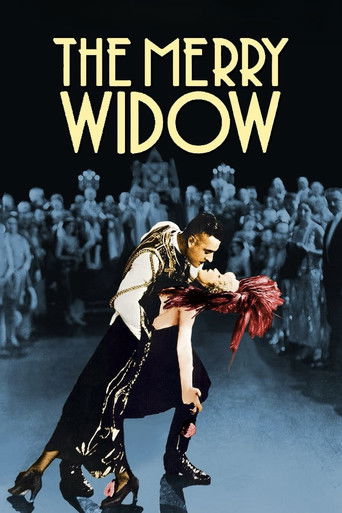
- The Merry Widow (1934) - Later Lubitsch film with similar themes
- Ninotchka (1939) - Another Lubitsch film about Russian politics and romance
- To Be or Not to Be (1942) - Lubitsch's sophisticated political comedy
- Roman Holiday (1953) - Similar themes of royalty and romance
- The King and I (1956) - Court romance with political undertones
Film restoration
According to the American Film Institute and silent film archives, 'Forbidden Paradise' survives in complete form. The film has been preserved by major film archives including the Library of Congress and the Museum of Modern Art. While some elements may show signs of deterioration typical of films from this era, the movie is considered to be in relatively good condition for a silent film of its age. The preservation status makes it accessible for screenings at film festivals, museums, and specialized theaters. Restoration efforts have helped maintain the film's visual quality, though the original tinting and toning may not be fully preserved in all available copies.
Where to watch
- Film archives and museums that specialize in silent cinema
- Specialized streaming services dedicated to classic films
- Film festivals featuring silent cinema retrospectives
- Educational institutions with film studies programs
- Private collectors and film preservation societies
- TCM (Turner Classic Movies) occasional broadcasts