
Rod La Rocque
Actor
Born: November 29, 1898 in Chicago, Illinois, USA Died: October 15, 1969 Active: 1919-1941 Birth Name: Roderick La Rocque
Films
8 films
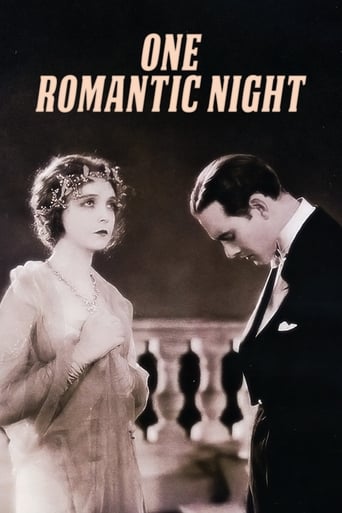


About Rod La Rocque
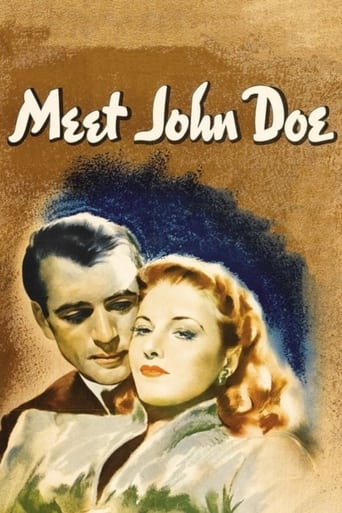
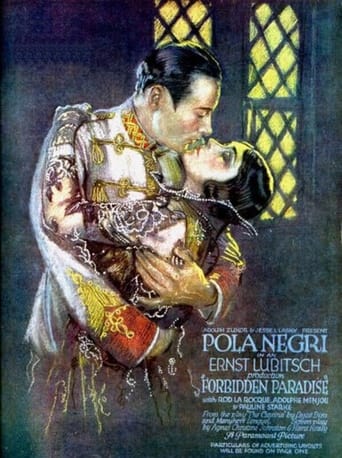
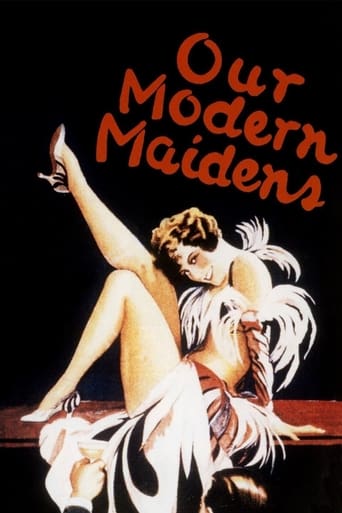
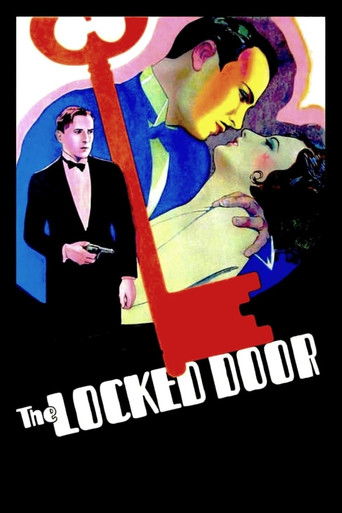
leading man of the silent era and early sound period — known for his sophisticated demeanor and matinee idol looks. Born Roderick La Rocque in Chicago, he began his career on stage before transitioning to films in the early 1920s, quickly becoming a popular romantic lead. His breakthrough came with roles in major productions like Ernst Lubitsch's Forbidden Paradise (1924) and Cecil B. DeMille's The Ten Commandments (1923). La Rocque successfully navigated the transition to talkies, appearing in early sound films like The Locked Door (1929) and Our Modern Maidens (1929). Throughout the 1930s, he continued working in supporting roles and leads for various studios, though his star gradually diminished as newer actors emerged. His final notable appearance was in Frank Capra's Meet John Doe (1941), after which he largely retired from acting. La Rocque's nearly two decades of Hollywood's most transformative period, from the height of silent cinema through the establishment of the studio system.
The Craft
On Screen
La Rocque was known for his polished, sophisticated acting style that perfectly suited the romantic leading man roles of the 1920s. His stage background gave him a commanding presence and clear diction that served him well in the transition to sound films. He employed a subtle, restrained approach compared to some of his more melodramatic contemporaries, using his piercing eyes and chiseled features to convey emotion. His style was often described as elegant and refined, making him particularly effective in society dramas and romantic comedies.
Milestones
- Breakthrough role in The Ten Commandments (1923)
- Leading man opposite Pola Negri in Forbidden Paradise (1924)
- Successful transition to talkies with The Locked Door (1929)
- Marriage to silent star Vilma Bánky in 1927
- Final film appearance in Meet John Doe (1941)
Best Known For
Iconic Roles
Must-See Films
Accolades
Special Recognition
- Hollywood Walk of Fame star at 6276 Hollywood Boulevard
Working Relationships
Worked Often With
Studios
Why They Matter
Impact on Culture
Rod La Rocque represented the epitome of the sophisticated leading man during Hollywood's transition from silent to sound films. His ability to maintain his stardom through this pivotal technological shift demonstrated the importance of classical training and adaptability. As part of the first generation of film actors who successfully made the transition to talkies, La Rocque helped establish the template for the sound era leading man. His marriage to Vilma Bánky symbolized the glamour and international appeal of Hollywood during its golden age, representing the industry's global reach and cultural influence.
Lasting Legacy
Rod La Rocque's legacy lies in his embodiment of the refined, aristocratic leading man that dominated 1920s cinema. While his name may not be as widely remembered today as some of his contemporaries, his work in significant films of the silent and early sound era preserves his place in film history. His successful transition from silent to sound films serves as an example of adaptability during one of Hollywood's most challenging periods. The preservation of his films continues to provide insight into the evolution of screen acting and the types of romantic leads that appealed to audiences of the era.
Who They Inspired
La Rocque influenced the archetype of the sophisticated leading man that would dominate Hollywood through the 1930s and 1940s. His refined acting style and polished screen presence set a standard for romantic leads that followed. His successful navigation of the sound transition provided a model for other silent actors facing the same challenge. While he didn't mentor specific actors who went on to greater fame, his work influenced the broader understanding of how romantic leads should comport themselves on screen, particularly in society dramas and romantic comedies.
Off Screen
Rod La Rocque married Hungarian silent film star Vilma Bánky in 1927. Their marriage lasted until La Rocque's death in 1969, though they lived separately for many years. Bánky essentially retired from films after their marriage, focusing on their life together. The couple had no children but were known for their lavish lifestyle and Hollywood social connections. After retiring from acting, La Rocque became involved in business ventures and real estate investments. He died of a heart attack in Woodland Hills, California at the age of 70.
Family
- Vilma Bánky (1927-1969)
Did You Know?
- His real name was Roderick La Rocque, but he dropped the 'der' for his stage name
- He was discovered by a talent scout while performing in a stage production in Chicago
- His wife Vilma Bánky was one of the highest-paid actresses of the 1920s
- The couple owned a 50-acre ranch in California's San Fernando Valley
- He appeared in over 80 films during his career
- La Rocque was known for his exceptional horsemanship, which he displayed in several Westerns
- He was one of the few silent stars who successfully transitioned to character roles in the 1930s
- His final film, Meet John Doe, was directed by Frank Capra and starred Gary Cooper
- He was 6 feet tall, which was considered quite tall for leading men of his era
- After retiring from acting, he became a successful real estate developer
In Their Own Words
The camera is a ruthless instrument. It shows everything, especially when you're trying to hide something.
In the silent days, we had to use our eyes to tell the story. In talkies, we have to learn to use our voices without forgetting our eyes.
Being a leading man in the 1920s was like being a prince in a fairy tale. You had to look the part, live the part, and never, ever break character in public.
Frequently Asked Questions
Who was Rod La Rocque?
American with credits in this catalog. He was known for his sophisticated demeanor and romantic roles, appearing in over 80 films between 1919 and 1941.
What films is Rod La Rocque best known for?
Titles linked here include Forbidden Paradise (1924), The Ten Commandments (1923).
When was Rod La Rocque born and when did he die?
Born November 29, 1898; died October 15, 1969.
What awards did Rod La Rocque win?
While Rod La Rocque did not receive major acting awards during his career, he was honored with a star on the Hollywood Walk of Fame at 6276 Hollywood Boulevard for his contributions to the film industry.
What was Rod La Rocque's acting style?
La Rocque was known for his polished, sophisticated acting style with a subtle, restrained approach compared to his melodramatic contemporaries. His stage background gave him excellent diction that served him well in talkies, and he used his striking features to convey emotion effectively.