

The Locked Door
"Barbara Stanwyck guards a sister from an old flame."
Keys: Space play/pause · ←/→ 10s · F fullscreen · M mute · </> speed
About this film
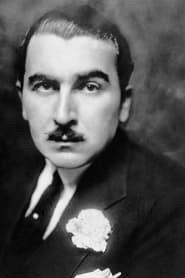
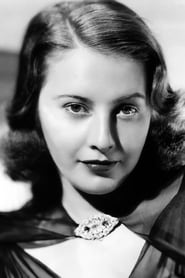
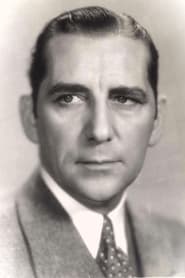
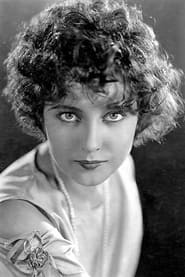
On her first wedding anniversary, wealthy socialite Ann Reagan (Barbara Stanwyck) discovers that her sister-in-law Helen (Betty Bronson) has become romantically involved with a dangerous gambler named Lawrence (William 'Stage' Boyd) - a man from Ann's own past with whom she once had a scandalous relationship. Determined to protect her family's reputation and prevent Helen from making the same mistake she did, Ann intervenes by confronting Lawrence and attempting to pay him off to leave Helen alone. However, Lawrence has no intention of letting go easily and begins blackmailing Ann with threats…
Cast & crew
More films like this
More Drama films
View all →







More from George Fitzmaurice
View all →
More about this film
About the production
Release dateJune 29, 1929
Box officeUnknown
ProductionFamous Players-Lasky Corporation, Paramount Pictures
Filmed inParamount Studios, Hollywood, Los Angeles, California
The Locked Door was one of Barbara Stanwyck's first starring roles and her first sound film. The production faced challenges typical of early talkies, including cumbersome sound recording equipment that limited camera movement. The film was shot during the rapid transition from silent to sound cinema, requiring actors to adapt their performance styles for the new medium. Director George Fitzmaurice had to balance the visual storytelling techniques of silent film with the new demands of synchronized sound.
Themes
Sexual double standardsPast secrets coming back to haunt charactersBlackmail and extortionMoral redemptionThe price of silence
Themes & topics
blackmailmurdersecret pastwedding anniversarysister-in-lawgamblerwealthy socialitefalse accusationinvestigationfamily secretsromantic trianglepsychological thrillerpre-code drama
Historical background
The Locked Door (1929) reached screens through Famous Players-Lasky Corporation. Exhibitors of the time built early sound programs that mixed shorts, features, and live acts, so a clear premise helped The Locked Door travel between cities and exchange markets.
Why this film matters
Archivists and revival programmers still cite The Locked Door (1929) when tracing studio habits, casting pools, and the visual rhetoric audiences once took for granted. Even modest surviving prints help map how The Locked Door fit beside competing releases of its day.
Making of
The production of The Locked Door took place during. The sound recording equipment of 1929 was primitive and extremely sensitive, requiring actors to stand relatively still while delivering their lines. This created challenges for director George Fitzmaurice, who had to adapt his dynamic visual style to accommodate the technical limitations. Barbara Stanwyck, who had honed her craft in silent films, had to quickly master the art of voice acting for the screen. The studio rushed production to capitalize on both the sound film craze and Stanwyck's growing popularity after her breakthrough in 'Ladies of Leisure' (1930). The film's sets were designed to minimize sound reflection, with carpets and heavy drapes used to dampen echoes. The murder scene was particularly challenging to film, as the crew had to create suspense while working around the noisy camera equipment that had to be housed in soundproof booths.
What critics said
Trade coverage around 1929 discussed The Locked Door for pacing, clarity, and program fit rather than blockbuster grosses. Later writers value it as evidence of period style and as a reference point beside other films from the same era.
Did you know?
- This was Barbara Stanwyck's first starring role in a sound film, marking a crucial transition in her career from silent pictures to talkies.
- The film is considered one of the earliest examples of the psychological thriller genre in American cinema.
- William 'Stage' Boyd received his nickname because he had been a stage actor before entering films; he should not be confused with the later Western star William Boyd who played Hopalong Cassidy.
- The film was released during the Pre-Code era, allowing for more mature themes of sexuality and blackmail that would later be restricted by the Hays Code.
- The Locked Door was one of the first films to use the dramatic device of a character's past coming back to haunt them, a trope that would become common in film noir.
- The original story was based on a play called 'The Sign on the Door' by Channing Pollock, though the film adaptation made significant changes.
- The film's title refers both literally to a locked door in the plot and metaphorically to the locked doors of characters' pasts and secrets.
- Despite being an early talkie, the film still retains many visual storytelling techniques from the silent era.
- The film was produced quickly to capitalize on the public's fascination with sound films and Barbara Stanwyck's rising popularity.
- The murder mystery subplot was added to the original story to increase the film's commercial appeal during the crime film boom of the late 1920s.
Visual style
The cinematography of The Locked Door reflects the transitional nature of 1929 filmmaking, blending techniques from the silent era with new considerations for sound recording. Cinematographer James Wong Howe, though uncredited for the production, was known for his innovative lighting techniques that helped create the film's suspenseful atmosphere. The camera work was somewhat constrained by the early sound recording equipment, which required cameras to be housed in soundproof booths, limiting mobility. However, the filmmakers used creative lighting and composition to maintain visual interest, particularly in the dramatic confrontation scenes. The film employs dramatic shadows and high-contrast lighting to enhance the thriller elements, techniques that would later become staples of film noir. The cinematography successfully balances the need for clear audio recording with visual storytelling, using close-ups effectively to capture the actors' emotional performances in this new sound medium.
Innovations
The Locked Door represents several technical achievements typical of early sound cinema. The film was produced using the Movietone sound-on-film system, one of the competing sound technologies of the era. The production team had to solve numerous technical challenges associated with early sound recording, including minimizing camera noise and managing acoustic properties of the sets. The film demonstrates early experimentation with how to stage scenes for sound, with actors positioned to optimize microphone pickup while maintaining visual composition. The synchronization of dialogue with action was still being perfected during this period, making the film's technical execution noteworthy for its relative smoothness. The film also shows early use of sound editing techniques to create dramatic effects and maintain narrative flow. These technical achievements, while primitive by modern standards, were significant steps in the evolution of cinematic storytelling.
Music
The Locked Door features a typical early talkie soundtrack with synchronized dialogue and musical accompaniment. The musical score was composed by Karl Hajos, who provided background music that enhanced the film's dramatic and suspenseful moments. As one of the early sound films, the production utilized the Movietone sound system, which allowed for both dialogue and musical effects to be recorded on the film strip itself. The sound design includes dramatic musical stings during tense moments and romantic themes during the character interactions. The film also uses sound effects to enhance the thriller elements, such as the creaking of doors and dramatic silences during key confrontations. The soundtrack represents the early experimentation with how music and sound could be used to create mood and tension in cinema, moving beyond the live musical accompaniment of silent films to integrated sound design.
Famous quotes
Some doors are better left locked - and some secrets are better left buried.
You can't run from your past forever, Ann. Sooner or later, it catches up with you.
A woman's reputation is like a fragile glass - once broken, it can never be whole again.
Love makes fools of us all, but some of us pay a higher price than others.
In this world, it's not what you are that matters, but what people think you are.
Memorable scenes
- The tense confrontation scene where Ann faces Lawrence in his apartment, with the locked door serving as both literal and metaphorical barrier between past and present.
- The anniversary dinner scene where Ann's perfect facade begins to crack as she learns of her sister-in-law's dangerous relationship.
- The murder discovery scene where Ann finds Lawrence's body and realizes she's been framed, launching the film's suspenseful investigation subplot.
- The climactic courtroom scene where Ann's past is threatened to be exposed, creating maximum tension as the real killer's identity is revealed.
What audiences thought
Audience reception to The Locked Door in 1929 was generally positive, particularly among viewers fascinated by the novelty of sound films. Barbara Stanwyck's performance resonated with moviegoers, helping to establish her as a rising star they would follow in subsequent films. The film's suspenseful plot and dramatic elements appealed to audiences seeking entertainment during the increasingly uncertain economic times leading up to the Great Depression. The combination of romance, mystery, and moral drama proved to be a winning formula for contemporary viewers. While exact box office figures are not available, the film's success was sufficient to help cement Stanwyck's status as a bankable leading lady. Modern audiences who have seen the film through revivals or home media appreciate it as a fascinating example of early sound cinema and a showcase for Stanwyck's early talent, though some find the pacing and acting style dated compared to later films.
Film connections
Influenced by
- The Sign on the Door (stage play)
- German expressionist cinema
- Silent film melodramas
- Early crime fiction
- Broadway drama conventions
This film influenced
- Later film noir thrillers
- Pre-Code women's pictures
- Psychological dramas of the 1930s
- Barbara Stanwyck's subsequent film roles
Film restoration
The Locked Door is believed to be a lost film. No complete copies are known to exist in major film archives or private collections. This is unfortunately common for early sound films from 1929-1930, as the unstable nitrate film stock of the era and the lack of preservation efforts led to the loss of many titles from this transitional period in cinema history. Only fragments or production stills may survive in various archives. The film's status as a lost feature makes it particularly significant to film historians, as it represents one of Barbara Stanwyck's early starring roles that modern audiences cannot view.
Where to watch
- Unfortunately, The Locked Door is currently unavailable for viewing as it is considered a lost film. No complete copies are known to exist in any archive or collection. Film enthusiasts can learn about the film through historical references, production stills, and contemporary reviews available in film history books and academic databases. The film's script and related materials may be accessible through specialized film archives or library special collections for research purposes.