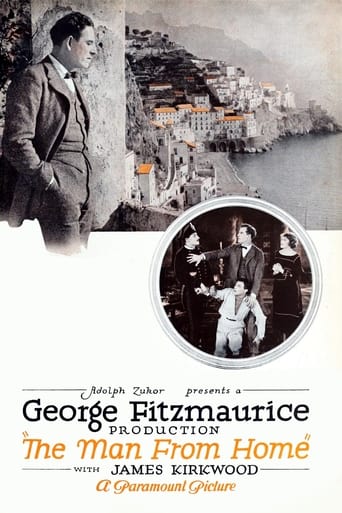
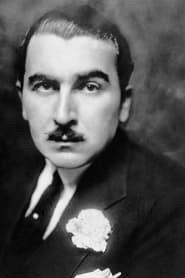
George Fitzmaurice
Director
Born: February 13, 1885 in Paris, France Died: June 13, 1940 Active: 1914-1939
Films
5 films
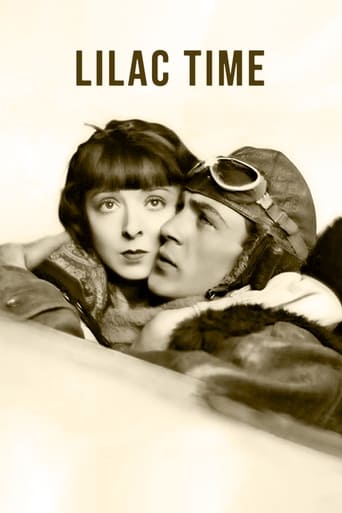
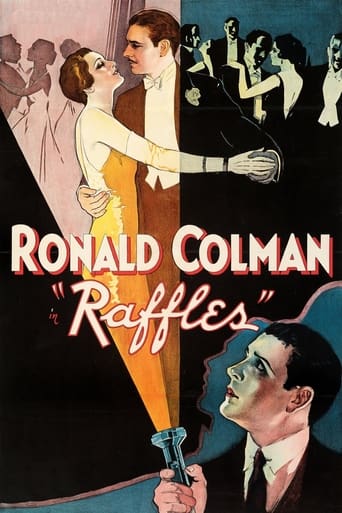
About George Fitzmaurice
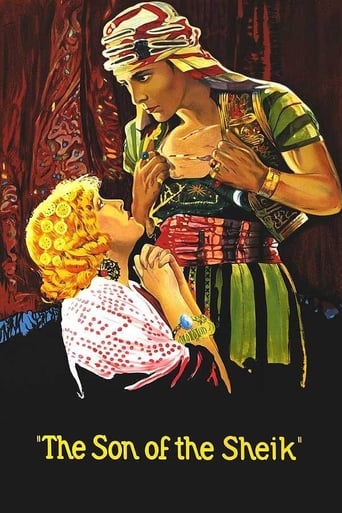
Prominent American film director during the silent era and early sound period, renowned for his sophisticated visual style and ability to craft compelling romantic dramas and adventure films. Born in Paris to American parents, he began his directorial career in the mid-1910s and quickly established himself as a reliable director capable of handling big-budget productions featuring Hollywood's biggest stars. Throughout the 1920s, Fitzmaurice directed numerous successful films for major studios, particularly excelling in romantic melodramas and adventure stories that showcased the talents of actors like Rudolph Valentino, Ronald Colman, and Vilma Bánky. His most celebrated work came during this period, including the 'The Son of the Sheik' (1926), which became Valentino's final film and a lasting classic of the silent era. Fitzmaurice successfully navigated the transition to sound films in the late 1920s, though his career momentum began to wane in the 1930s as filmmaking styles evolved. He continued directing through the early 1930s before his health declined, ultimately passing away in 1940 at the age of 55, leaving behind a legacy of elegant and visually striking films that exemplified the glamour and artistry of late silent cinema.
The Craft
Behind the Camera
George Fitzmaurice was known for his elegant and sophisticated visual approach, characterized by meticulous attention to set design, lighting, and composition. He excelled at creating atmospheric romantic settings that enhanced the star power of his leading actors, particularly in melodramas and adventure films. His directing style emphasized visual storytelling through elaborate sets and careful framing, often employing European influences in his artistic sensibilities. Fitzmaurice had a particular talent for handling intimate romantic scenes with grace and subtlety, while also being capable of directing large-scale action sequences. His films typically featured polished production values and a refined aesthetic that appealed to sophisticated audiences of the 1920s.
Milestones
- Directed Rudolph Valentino's final film 'The Son of the Sheik' (1926)
- Successfully transitioned from silent films to early talkies
- Worked with major stars including Greta Garbo, Ronald Colman, and Vilma Bánky
- Directed the critically acclaimed war romance 'Lilac Time' (1928)
- Established himself as a leading director at Paramount and MGM studios
Best Known For
Must-See Films
Accolades
Special Recognition
- Star on the Hollywood Walk of Fame (located at 1719 Vine Street)
Working Relationships
Worked Often With
Studios
Why They Matter
Impact on Culture
George Fitzmaurice played a significant role in shaping the aesthetic of late silent cinema, particularly in the romance and adventure genres. His films exemplified the glamour and sophistication that characterized Hollywood's Golden Age, helping to establish visual standards for big-budget productions. His work with Rudolph Valentino, especially in 'The Son of the Sheik,' contributed to the enduring myth of the Latin Lover archetype in cinema. Fitzmaurice's successful transition to sound films demonstrated his adaptability as a filmmaker during one of Hollywood's most transformative periods. His emphasis on visual elegance and star power influenced subsequent directors working in the romance and adventure genres, and his films remain important examples of the artistic heights achieved in late silent cinema.
Lasting Legacy
George Fitzmaurice's legacy endures through his visually striking films that captured the essence of 1920s Hollywood glamour. While perhaps not as widely remembered today as some of his contemporaries, his contributions to cinema history are significant, particularly his work in elevating the visual quality of popular entertainment films. His ability to showcase star power while maintaining artistic integrity set a standard for Hollywood directors working with major celebrities. The preservation and restoration of films like 'The Son of the Sheik' and 'Lilac Time' have allowed modern audiences to appreciate his directorial skill and aesthetic sensibilities. Fitzmaurice represents the type of sophisticated, European-influenced director who helped establish Hollywood's reputation for producing elegant and entertaining cinema during the silent era.
Who They Inspired
Fitzmaurice influenced subsequent generations of directors through his emphasis on visual composition and sophisticated storytelling. His work in creating atmospheric romantic settings paved the way for later directors specializing in melodramas and romantic films. His ability to balance commercial appeal with artistic elegance served as a model for directors working within the studio system. The visual techniques he employed in his films, particularly his use of lighting and set design to enhance emotional content, influenced cinematographers and art directors throughout Hollywood's Golden Age. His successful navigation of the transition from silent to sound films provided a blueprint for other directors facing similar challenges in the rapidly changing film industry of the late 1920s and early 1930s.
Off Screen
George Fitzmaurice married actress and screenwriter Ouida Bergère in 1919, and their marriage lasted until his death in 1940. Bergère was a successful Hollywood writer who often contributed to her husband's films, and the couple was considered part of Hollywood's social elite during the 1920s. They were known for hosting lavish parties at their Hollywood home, which were attended by many of the era's biggest stars. Despite his success in Hollywood, Fitzmaurice remained somewhat private about his personal life, though he was well-regarded among his industry peers. His later years were marked by declining health, which ultimately led to his death from a heart attack at age 55.
Education
Limited information available about his formal education, though he was known to be well-educated and multilingual, likely due to his European upbringing and American background.
Family
- Ouida Bergère (1919-1940)
Did You Know?
- Born in Paris to American parents, giving him a unique bicultural perspective that influenced his filmmaking
- His wife Ouida Bergère was a successful screenwriter who often worked on his films
- Directed Rudolph Valentino's final film 'The Son of the Sheik' (1926), released after Valentino's death
- Was one of the few directors who successfully made the transition from silent films to talkies
- Known for his perfectionism and attention to detail in set design and visual composition
- His films often featured European settings and sensibilities, reflecting his background
- Worked with virtually every major star of the 1920s at some point in his career
- His star on the Hollywood Walk of Fame is located at 1719 Vine Street
- Was particularly adept at directing women, often getting strong performances from his leading ladies
- His film 'Lilac Time' (1928) was one of the last major silent war films produced in Hollywood
In Their Own Words
A picture should be like a woman - beautiful to look at, but with something mysterious about it that makes you want to discover more.
The director's job is not just to tell a story, but to create a world that the audience can believe in and lose themselves in.
In romance, the eyes say everything. In film, the camera must be the eyes that speak to the audience's heart.
Frequently Asked Questions
Who was George Fitzmaurice?
American on YTB.my. He directed many notable films featuring Hollywood's biggest stars of the 1920s, including Rudolph Valentino's final film 'The Son of the Sheik'.
What films is George Fitzmaurice best known for?
Titles linked here include The Son of the Sheik (1926), Lilac Time (1928).
When was George Fitzmaurice born and when did he die?
Born February 13, 1885; died June 13, 1940.
What awards did George Fitzmaurice win?
While George Fitzmaurice did not receive major awards during his lifetime, he was honored with a star on the Hollywood Walk of Fame at 1719 Vine Street, recognizing his significant contributions to cinema.
What was George Fitzmaurice's directing style?
Fitzmaurice was known for his elegant and sophisticated visual approach, characterized by meticulous attention to set design, lighting, and composition. He excelled at creating atmospheric romantic settings and was particularly adept at handling melodramas and adventure films with visual polish and artistic refinement.
Did George Fitzmaurice successfully transition to sound films?
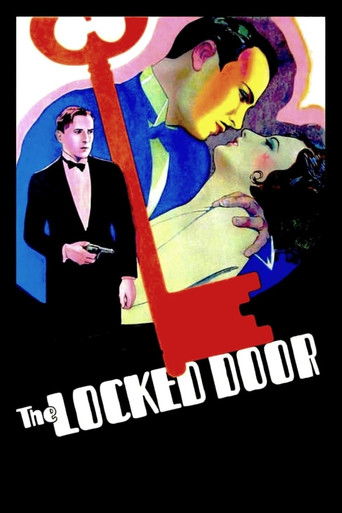
Yes, Fitzmaurice was one of the relatively few silent-era directors who successfully made the transition to sound films, directing early talkies like 'The Locked Door' (1929). His ability to adapt demonstrated his versatility as a filmmaker during Hollywood's transformative period.
Was George Fitzmaurice married?
Yes, George Fitzmaurice married actress and screenwriter Ouida Bergère in 1919, and they remained married until his death in 1940. Bergère often contributed to her husband's films as a screenwriter.