
Lilac Time
"Farm girl hearts for RAF pilots"
Keys: Space play/pause · ←/→ 10s · F fullscreen · M mute · </> speed
About this film
French farm girl Monette boosts RAF morale during World War I and loves a pilot already engaged elsewhere. Colleen Moore stars in the 1928 aviation romance Lilac Time.
Cast & crew
More films like this


More War films
View all →

More from George Fitzmaurice
View all →
More about this film
About the production
Release dateOctober 20, 1928
Budget$400,000
Box officeApproximately $1.2 million (successful for its time)
ProductionFirst National Pictures, The Caddo Company
Filmed inMGM Studios, Culver City, California, Rural California locations standing in for French countryside
The film was among the costliest productions of 1928, featuring elaborate aerial sequences shot with real pilots and aircraft. The production faced significant challenges filming the dogfight scenes, with several stunt pilots performing dangerous maneuvers. The famous lilac fields were artificially created using thousands of lilac bushes transported to the filming location. The film used the new Magnascope process for certain sequences to enhance the visual spectacle.
Themes
Love and sacrificeThe brutality of warInnocence lostDuty versus personal desireThe transience of youth
Themes & topics
Historical background
Lilac Time (1928) reached audiences during the silent feature period, when exhibitors mixed shorts and features on the same program.
Why this film matters
Historians retain Lilac Time as a record of how filmmakers in 1928 addressed popular genres.
Making of
The production of 'Lilac Time' was a massive undertaking for First National Pictures, requiring extensive coordination between ground and aerial filming units. Director George Fitzmaurice, known for his visual sophistication, employed innovative techniques including miniature effects for the aerial battles and the use of multiple cameras to capture complex flight sequences. The casting of Gary Cooper was somewhat controversial at the time, as he was relatively unknown, but his natural chemistry with Colleen Moore proved undeniable. The film's emotional core was enhanced by the fact that many of the supporting actors playing pilots were actual World War I veterans who brought authentic experience to their roles. The production design team spent months recreating authentic French farm settings and military installations, with particular attention paid to the aerodrome which served as the film's central location.
What critics said
Trade coverage from 1928 treated Lilac Time as program material; later writers evaluate it through preservation and genre context.
Did you know?
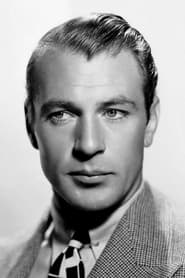
- This was Gary Cooper's breakthrough leading role, establishing him as a major star after several smaller parts.
- Colleen Moore was one of the highest-paid actresses of the 1920s, earning $12,500 per week for the release.
- The film featured real World War I aircraft, including Sopwith Camels and SE5s, loaned by the U.S. Army Air Corps.
- The aerial sequences were filmed by renowned aviation cinematographer Harry Perry.
- The original story was written by Guy Bolton, who also wrote the book for several Broadway musicals.
- The film's success led to a 1930 sound remake titled 'Dawn of Love' (also known as 'Lilac Time').
- The lilac bushes used in filming were so numerous that they had to be transported in multiple truckloads.
- The film's theme song 'Lilac Time' became a popular hit of the era.
- Gary Cooper reportedly performed many of his own stunts in the aerial sequences.
- The film was one of the last major silent releases before the complete transition to sound.
Awards & recognition
- Photoplay Medal of Honor 1928
Visual style
The cinematography by Ray Rennahan was groundbreaking for its time, particularly in the aerial sequences which used innovative techniques including camera mounts on actual aircraft. The film employed the Magnascope process for certain wide shots, creating a sense of epic scale. The contrast between the intimate, softly-lit scenes of romance and the stark, dramatic aerial combat shots created a powerful visual narrative. The cinematography made extensive use of natural light, especially in the outdoor scenes featuring the famous lilac fields. The aerial sequences utilized multiple cameras and innovative editing techniques to create dynamic action sequences that remain impressive even by modern standards.
Innovations
The film's most significant technical achievement was its pioneering aerial photography, which set new standards for aviation cinematography. The production team developed special camera mounts that could be attached to aircraft while maintaining stability and allowing for movement. The film also employed innovative miniature effects for certain aerial battle scenes, seamlessly integrating them with full-scale footage. The use of the Magnascope process for select sequences created a variable screen size effect that enhanced dramatic moments. The lighting techniques used for the lilac field scenes were particularly sophisticated, requiring careful planning to capture the flowers at their most beautiful while maintaining consistent lighting conditions.
Music
As a silent film, 'Lilac Time' featured an original musical score composed by Cecil Copping, which was distributed to theaters along with cue sheets for live orchestra accompaniment. The film's theme song 'Lilac Time' became a popular standard, with sheet music selling widely after the film's release. The score incorporated popular songs of the era as well as original compositions that emphasized the romantic and dramatic elements of the story. Many theaters used the film's popularity to showcase their orchestral capabilities, with some venues presenting special 'symphonic' versions of the score. The music was carefully synchronized to enhance the emotional impact of key scenes, particularly the aerial sequences and romantic moments.
Famous quotes
In war, there is no time for love, only time for duty.
The lilacs bloom each spring, but youth blooms but once.
When you fly among the clouds, the world below seems a different place.
Some loves are like the lilacs - beautiful but destined to fade too quickly.
Memorable scenes
- The opening sequence where Jeannine walks through the blooming lilac fields, establishing the film's romantic and pastoral tone.
- The dramatic aerial dogfight sequence where Philip's plane is damaged, showcasing the film's groundbreaking aviation cinematography.
- The tender scene where Jeannine and Philip declare their love amidst the lilacs, interrupted by the call to duty.
- The heartbreaking final scene where Jeannine receives news of Philip's fate, her grief contrasted with the continuing beauty of the lilacs.
What audiences thought
The film was a major box office success upon its release, resonating strongly with audiences who were drawn to its combination of romance, adventure, and spectacular aerial sequences. Contemporary audience reports indicate that viewers were particularly moved by the tragic love story and the film's depiction of the pilots' camaraderie. The film's theme song became popular with the public, and the lilac motif entered popular culture for a time. Movie theaters reported packed houses, especially in larger cities where the film's technical achievements could be fully appreciated. The success of 'Lilac Time' helped cement both Colleen Moore and Gary Cooper as bankable stars with strong audience appeal.
Film connections
Influenced by
- Wings (1927)
- The Big Parade (1925)
- What Price Glory? (1926)
- Sunrise: A Song of Two Humans (1927)
This film influenced
- The Dawn Patrol (1930)
- A Farewell to Arms (1932)
- Test Pilot (1938)
- Twelve O'Clock High (1949)
Film restoration
The film is partially preserved with some scenes missing or damaged. A restored version was released by the UCLA Film and Television Archive in the 1990s, though approximately 10 minutes of footage remains lost. The surviving elements come from various sources including a 16mm print and original camera negative fragments. The film exists in the public domain, with several versions available on home media and streaming platforms.
Where to watch
- Available on DVD from several public domain distributors
- Streaming on YouTube (public domain versions)
- Available through the Internet Archive
- Occasionally screened at film festivals and classic cinema venues
- Available on some streaming services specializing in classic films