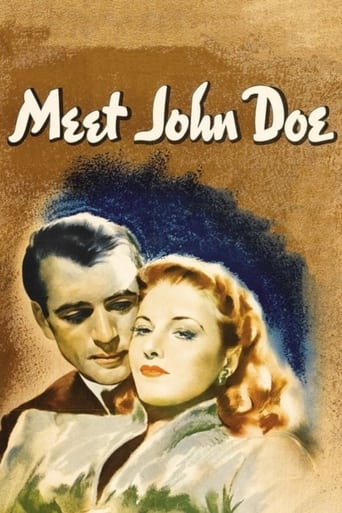
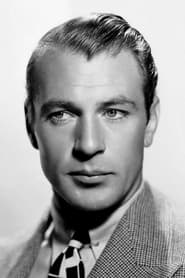
Gary Cooper
Actor
Born: May 7, 1901 in Helena, Montana, USA Died: May 13, 1961 Active: 1925-1961 Birth Name: Frank James Cooper
Films
12 films
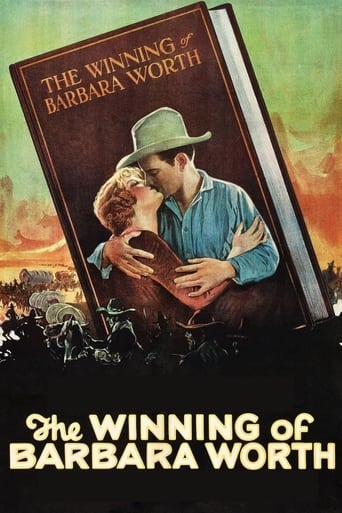
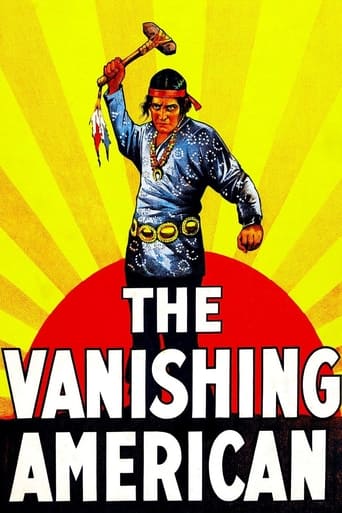
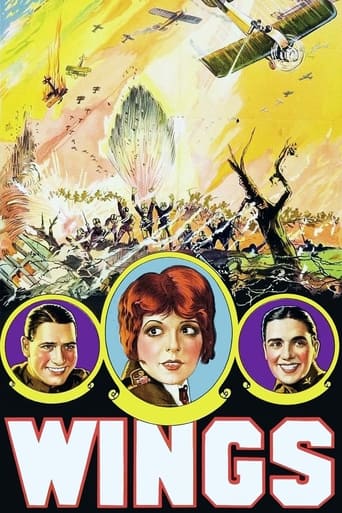

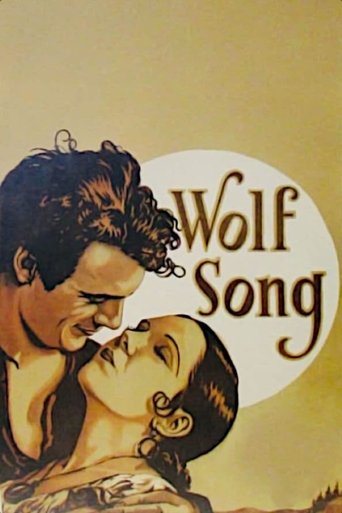
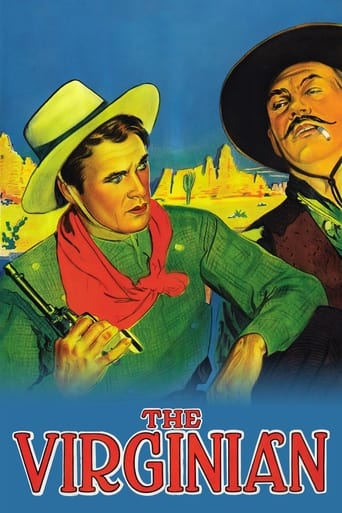
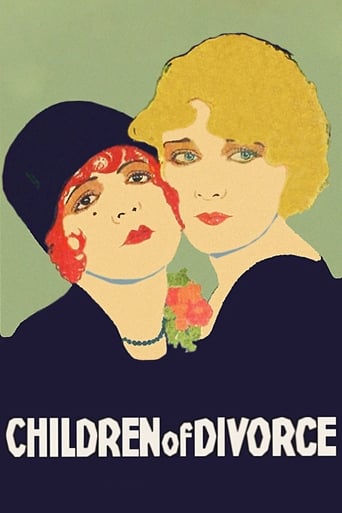
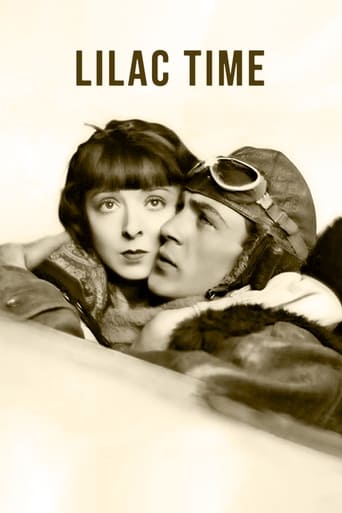
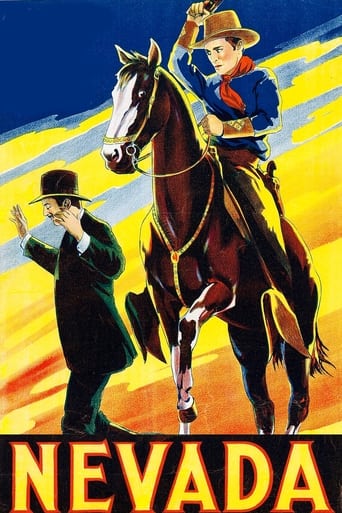

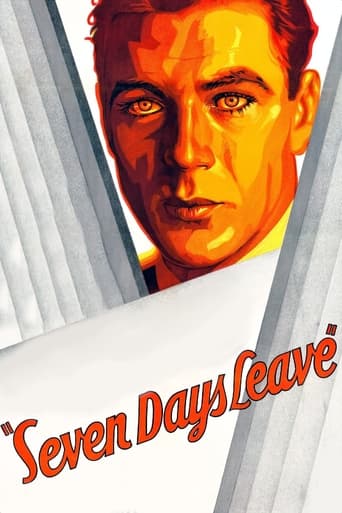
About Gary Cooper
Gary Cooper, born Frank James Cooper, was one of Hollywood's most leading men whose over three decades from the silent era through the Golden Age of Hollywood. Beginning as an extra and stuntman in silent Westerns, Cooper's natural charisma and tall, lanky presence quickly elevated him to stardom in films like 'The Virginian' (1929) and 'A Farewell to Arms' (1932). He successfully transitioned to talkies with his distinctive, understated acting style that emphasized naturalism over theatricality, becoming Paramount's top male star throughout the 1930s and 1940s. Cooper specialized in portraying the quintessential American hero—strong, principled, and quietly courageous—in films that defined the national character. His career peaked with two Academy Award-winning performances in 'Sergeant York' (1941) and 'High Noon' (1952), cementing his status as one of cinema's most enduring stars. Despite battling cancer in his final years, Cooper continued working and received an honorary Academy Award shortly before his death in 1961, leaving behind a legacy of over 80 films that continue to influence American cinema.
The Craft
On Screen
Cooper was renowned for his naturalistic, understated acting style that contrasted sharply with the theatrical approach common in early cinema. His technique involved minimal dialogue delivery, using subtle facial expressions, body language, and his distinctive slow, deliberate speech patterns to convey emotion. Cooper often employed the 'less is more' approach, letting his tall, lanky physique and natural American authenticity carry his performances. He specialized in portraying quiet, principled heroes who embodied American values of integrity, courage, and moral conviction, making his performances feel authentic and relatable to audiences.
Milestones
- Breakthrough role in 'The Virginian' (1929)
- First Academy Award nomination for 'Mr. Deeds Goes to Town' (1936)
- Academy Award for Best Actor for 'Sergeant York' (1941)
- Academy Award for Best Actor for 'High Noon' (1952)
- Received honorary Academy Award (1961)
- Star on Hollywood Walk of Fame (1960)
Best Known For
Iconic Roles
Must-See Films
Accolades
Won
- Academy Award for Best Actor for 'Sergeant York' (1941)
- Academy Award for Best Actor for 'High Noon' (1952)
- Golden Globe Award for Best Actor for 'High Noon' (1952)
- New York Film Critics Circle Award for Best Actor for 'High Noon' (1952)
- Honorary Academy Award for lifetime achievement (1961)
Nominated
- Academy Award nomination for Best Actor for 'Mr. Deeds Goes to Town' (1936)
- Academy Award nomination for Best Actor for 'The Pride of the Yankees' (1942)
- Academy Award nomination for Best Actor for 'The Friend of a Friend' (1936)
- Academy Award nomination for Best Actor for 'For Whom the Bell Tolls' (1943)
- Academy Award nomination for Best Actor for 'The Fountainhead' (1949)
Special Recognition
- Star on Hollywood Walk of Fame (1960)
- AFI's Greatest Male Stars of American Cinema - ranked #11
- United States Postal Service commemorative stamp (1999)
- Inducted into Western Performers Hall of Fame
- Presidential Medal of Freedom (posthumously considered)
Working Relationships
Worked Often With
Studios
Why They Matter
Impact on Culture
Gary Cooper fundamentally shaped the American cinematic hero archetype, creating an enduring template for the strong, silent protagonist who embodies frontier values and moral courage. His naturalistic acting style revolutionized screen performance, moving away from theatrical exaggeration toward subtle realism that influenced generations of actors. Cooper's films often reflected and reinforced American ideals during critical historical periods, from the Depression-era populism of 'Mr. Deeds Goes to Town' to the Cold War allegory of 'High Noon'. His persona transcended cinema to become a cultural symbol of American masculinity and integrity, referenced in literature, music, and political discourse. The 'Cooper style' of understated heroism became so ingrained in American culture that it influenced everything from political leadership styles to advertising imagery throughout the 20th century.
Lasting Legacy
Gary Cooper's legacy endures through his iconic performances that continue to define the American Western and dramatic genres, with 'High Noon' consistently ranked among the greatest films ever made. His two Academy Awards and five nominations place him among the most recognized actors of Hollywood's Golden Age, while his influence on acting technique remains evident in contemporary cinema. Cooper's portrayal of the American hero established a cinematic archetype that continues to be referenced and reinterpreted by modern filmmakers. His films are preserved in the National Film Registry, and his star on the Hollywood Walk of Fame continues to attract tourists and film enthusiasts. The Gary Cooper Award at the Santa Barbara International Film Festival honors actors who exemplify his qualities of integrity and professionalism, ensuring his influence extends to new generations of performers.
Who They Inspired
Cooper's minimalist acting approach directly influenced actors like James Stewart, Gregory Peck, and later Clint Eastwood, who adopted similar understated techniques. His naturalistic style helped transition Hollywood from theatrical silent film acting to more realistic talkie performances. Directors like Frank Capra and Howard Hawks built some of their most successful films around Cooper's unique screen presence and abilities. His portrayal of the conflicted hero in 'High Noon' influenced countless Westerns and psychological dramas that followed. Contemporary actors including George Clooney and Brad Pitt have cited Cooper as an influence on their approach to playing the American everyman. His method of conveying emotion through subtle rather than overt means became a cornerstone of American film acting technique.
Off Screen
Gary Cooper led a relatively private personal life marked by his marriage to socialite-turned-actress Sandra Shaw (Veronica Balfe) in 1933, with whom he had one daughter, Maria. Despite his on-screen image as the quintessential American hero, Cooper had several well-documented affairs, including a long-term relationship with actress Patricia Neal. He was an avid outdoorsman who enjoyed hunting, fishing, and skiing, maintaining homes in Hollywood and Aspen, Colorado. Cooper was politically conservative and supported Republican causes, though he generally avoided public political controversy. In his final years, he battled prostate cancer but continued working until shortly before his death at age 60.
Education
Attended Dunstable School in England (1910-1911), Grinnell College in Iowa (1919-1921), Montana State Agricultural College (1921-1922) - did not graduate from any institution
Family
- Sandra Shaw (Veronica Balfe) (1933-1961)
Did You Know?
- His real name was Frank James Cooper; a studio secretary suggested 'Gary' after her hometown of Gary, Indiana
- Stood 6'3" tall, making him one of the tallest leading men of his era
- Was a skilled horseman and performed many of his own stunts in Westerns
- Turned down the lead role in 'Gone with the Wind' (Clark Gable's role)
- Was friends with Ernest Hemingway and starred in adaptations of two of his novels
- His daughter Maria played his character's daughter in 'The Pride of the Yankees'
- Was a heavy smoker, which contributed to his health problems later in life
- Received more votes for the American Film Institute's greatest screen heroes than any other actor
- Spent part of his childhood in England, which gave him a distinctive accent
- His final film 'The Naked Edge' (1961) was released after his death
In Their Own Words
'This is my West, not yours. You can't have it.' - as Will Kane in High Noon
'I was never the hero, but I played one on screen.' - personal reflection
'I'm just a plain, simple man trying to do the best I can.' - typical Cooper character line
'The only thing I ever really wanted was to be a cowboy.' - on his early aspirations
'I've been lucky enough to be in the right place at the right time with the right people.' - on his career success
Frequently Asked Questions
Who was Gary Cooper?
Gary Cooper was one of Hollywood's most iconic leading men during the Golden Age of cinema, known for his naturalistic acting style and portrayals of the quintessential American hero. He won two Academy Awards for Best Actor and starred in over 80 films from the silent era through the 1950s.
What films is Gary Cooper best known for?
Cooper is most famous for 'High Noon' (1952), 'Sergeant York' (1941), 'The Pride of the Yankees' (1942), 'For Whom the Bell Tolls' (1943), 'Mr. Deeds Goes to Town' (1936), and his early Western 'The Virginian' (1929).
When was Gary Cooper born and when did he die?
Gary Cooper was born Frank James Cooper on May 7, 1901, in Helena, Montana, and died of prostate cancer on May 13, 1961, in Los Angeles, California, just six days after his 60th birthday.
What awards did Gary Cooper win?
Cooper won two Academy Awards for Best Actor for 'Sergeant York' (1941) and 'High Noon' (1952), and received an honorary Academy Award for lifetime achievement in 1961. He also won a Golden Globe and New York Film Critics Circle Award for 'High Noon'.
What was Gary Cooper's acting style?
Cooper was famous for his naturalistic, understated acting style that emphasized minimal dialogue and subtle expressions. His 'less is more' approach and distinctive slow, deliberate speech patterns created an authentic, relatable screen presence that contrasted with the theatrical acting common in early cinema.
How did Gary Cooper influence American cinema?
Cooper created the enduring archetype of the American cinematic hero—strong, principled, and quietly courageous. His naturalistic acting style revolutionized screen performance and influenced generations of actors from James Stewart to Clint Eastwood, while his films often reflected and reinforced American values during critical historical periods.