

The Winning of Barbara Worth
"1926 American silent Western film by Henry King"
Keys: Space play/pause · ←/→ 10s · F fullscreen · M mute · </> speed
About this film
While building an irrigation system for a Southwestern desert community, an engineer vies with a local cowboy for the affections of a rancher's daughter.
Cast & crew
More films like this
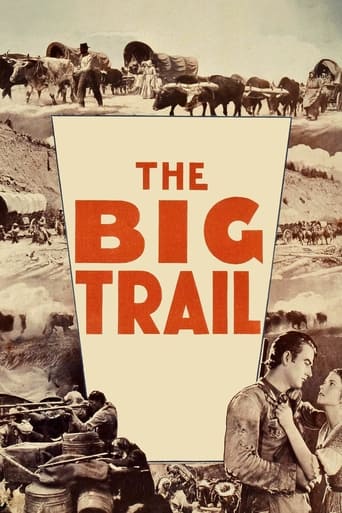
More Drama films
View all →







More from Henry King
View all →

More about this film
About the production
Release dateOctober 10, 1926
Budget$374,000
Box office$1,500,000 (domestic)
ProductionSamuel Goldwyn Productions, The Famous Players-Lasky Corporation
Filmed inBlack Rock Desert, Nevada, Mojave Desert, California, Guadalupe-Nipomo Dunes, California, Samuel Goldwyn Studio, Hollywood
The film featured among the leading elaborate flood sequences ever filmed in the silent era, requiring the construction of a massive dam set and the use of over 500,000 gallons of water. The production faced numerous challenges including extreme desert heat, difficult location conditions, and the complex engineering required for the flood sequence. Gary Cooper was cast in a supporting role but his performance was so impressive it helped launch his stardom. The film was shot during the summer of 1925 with temperatures often exceeding 100 degrees.
Themes
Man versus NatureProgress and CivilizationRomantic CompetitionEngineering and TechnologyWater Rights and Resource Management
Themes & topics
irrigationengineercowboyflooddesertromantic trianglewater rightsconstructionnatural disasterrancherSouthwestdevelopmenttechnology
Historical background
Contemporary records classify The Winning of Barbara Worth (1926) as 1926 american silent western film by henry king, placing it within late silent cinema and the transition toward sound.
Why this film matters
The Winning of Barbara Worth (1926) helps trace genre evolution, performer careers, and the material conditions of silent exhibition.
Making of
The production of 'The Winning of Barbara Worth' was an ambitious undertaking that pushed the boundaries of silent filmmaking. Director Henry King, known for his attention to detail and authenticity, insisted on filming in actual desert locations rather than relying on studio sets. This decision created enormous logistical challenges for the cast and crew, who had to endure extreme temperatures and primitive living conditions. The film's centerpiece - the spectacular flood sequence - required months of planning and engineering. A massive dam set was constructed in the desert, complete with a sophisticated water release system. When the scene was filmed, the released water created a realistic flood that was both dangerous and visually stunning. Gary Cooper, then relatively unknown, impressed director Henry King with his naturalistic acting style and physical presence during the difficult location shoots. Cooper's performance as the cowboy rival was so compelling that it led to his contract renewal with Samuel Goldwyn and subsequent leading roles. The production also featured innovative camera techniques for the time, including sweeping panoramic shots of the desert landscape that emphasized the scale of the irrigation project and the isolation of the characters.
What critics said
Where contemporary reviews survive, The Winning of Barbara Worth is discussed in terms of audience appeal at release; later criticism often reframes it through archive restoration and festival programming.
Did you know?
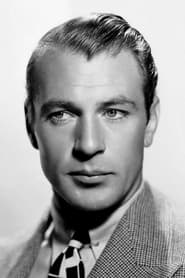
- This was Gary Cooper's breakthrough role, elevating him from bit player to leading man status
- The flood sequence used over 500,000 gallons of water and was considered the most expensive single scene filmed in Hollywood up to that time
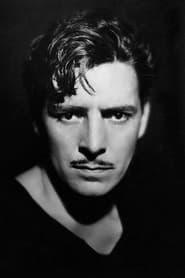
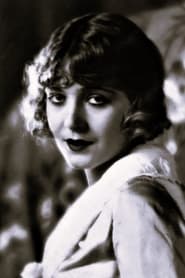
- Ronald Colman and Vilma Banky were especially popular romantic pairs of the 1920s, starring together in multiple films
- The film was based on the bestselling 1911 novel by Harold Bell Wright, which had previously been adapted as a stage play
- Director Henry King insisted on authentic location shooting, taking the cast and crew to actual desert locations rather than using studio backlots
- The irrigation system depicted in the film was based on real projects happening in the American Southwest during the early 20th century
- Samuel Goldwyn considered this one of his most prestigious productions and invested heavily in its marketing campaign
- The film's success helped establish the desert Western as a viable genre beyond traditional cowboy films
- Vilma Banky was known as 'The Hungarian Rhapsody' and was one of the highest-paid actresses of the silent era
- The original novel was so popular that Barbara Worth became a common name for girls born in the 1910s and 1920s
Awards & recognition
- Academy Award for Best Effects, Engineering Effects (1929, 1st Academy Awards)
Visual style
The cinematography by George Barnes was groundbreaking for its time, featuring sweeping panoramic shots of the desert landscape that emphasized both the beauty and harshness of the American Southwest. Barnes utilized innovative camera techniques including moving shots that followed characters across vast desert expanses, creating a sense of scale and isolation. The flood sequence was particularly notable for its dynamic camera work, with multiple cameras capturing the disaster from different angles to create a comprehensive and terrifying view of the destruction. The film also made effective use of natural lighting, particularly in the outdoor scenes where the harsh desert sunlight created dramatic contrasts and shadows. Barnes' work on this film earned him recognition as among the leading innovative cinematographers of the silent era, and his techniques would influence the visual style of Westerns for decades to come.
Innovations
The film's most significant technical achievement was the flood sequence, which set new standards for visual effects in cinema. The production team engineered a sophisticated system of dams, water channels, and release mechanisms that allowed for precise control over the flood effects. This required months of planning and construction, with engineers designing specialized equipment that could safely release and direct hundreds of thousands of gallons of water. The film also featured innovative use of multiple cameras to capture action sequences from various angles simultaneously, creating more dynamic and engaging scenes. The location shooting techniques developed for this film, including methods for protecting equipment from sand and heat, influenced subsequent desert location productions. The film's success in creating realistic large-scale effects without modern computer technology demonstrated what could be achieved through practical engineering and creative problem-solving.
Music
As a silent film, The Winning of Barbara Worth would have been accompanied by live musical performances in theaters. The original score was composed by Hugo Riesenfeld, one of the leading film composers of the silent era. The music was designed to enhance the emotional impact of key scenes, with sweeping orchestral passages during the romantic moments and dramatic, percussive elements during the flood sequence. Many theaters used the compiled cue sheets provided by the studio, while larger picture palaces employed full orchestras to perform the score. The music incorporated popular American themes and Western motifs that would become standard in later Western films. In recent years, the film has been restored with new musical accompaniments by silent film specialists, helping modern audiences experience the film as it was meant to be seen.
Famous quotes
A man's got to do what he's got to do.
The desert doesn't give up its secrets easily.
Water is life in this country - more precious than gold.
We're not just building an irrigation system, we're building a future.
Memorable scenes
- The spectacular flood sequence where the dam breaks and water rushes through the desert valley, destroying everything in its path while heroes struggle to save the town
- The romantic confrontation between the three leads atop the partially constructed irrigation system
- The opening sequence showing the vast, unforgiving desert landscape before any human intervention
- Gary Cooper's first major scene where he demonstrates his riding skills and natural charm
What audiences thought
The Winning of Barbara Worth was a major commercial success upon its release, becoming one of the highest-grossing films of 1926. Audiences were particularly captivated by the spectacular flood sequence, which generated enormous word-of-mouth buzz and repeat viewings. The romantic triangle between Colman, Banky, and Cooper resonated strongly with viewers, making the film as much a romantic drama as a Western adventure. Gary Cooper's charismatic performance made him an instant star with audiences, particularly female viewers who were drawn to his rugged good looks and understated acting style. The film's success at the box office helped establish Samuel Goldwyn as one of Hollywood's most successful independent producers. Audience feedback letters and contemporary accounts suggest that viewers appreciated the film's authenticity and its depiction of real-world engineering challenges, which gave the story a sense of gravitas beyond typical Hollywood entertainment.
Film connections
Influenced by
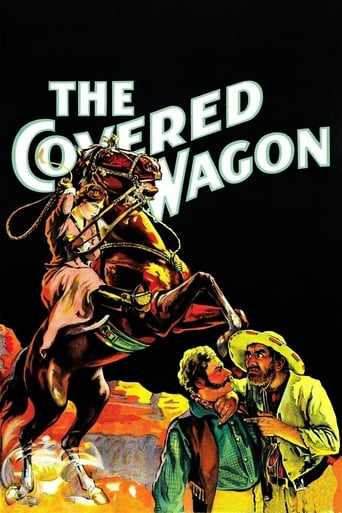
- The Covered Wagon (1923)
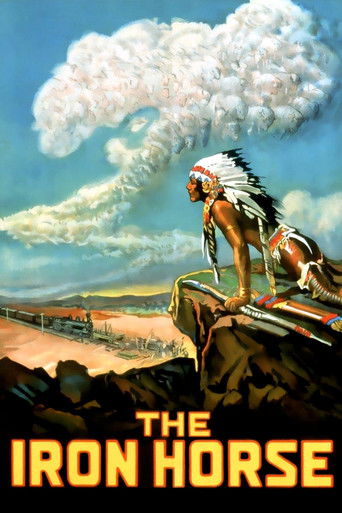
- The Iron Horse (1924)
- Greed (1924)
- The Big Parade (1925)
This film influenced
- The Big Trail (1930)
- Stagecoach (1939)
- Red River (1948)
- The Magnificent Seven (1960)
Film restoration
The film is preserved in its complete form at the Library of Congress and several other film archives. A restored version was released by the Museum of Modern Art in the 1970s, and further restoration work has been done by the George Eastman Museum. The film survives in excellent condition with all reels intact, making it accessible for modern screenings and home video releases.
Where to watch
- Available on DVD from Warner Archive Collection
- Streaming on The Criterion Channel
- Available for digital rental/purchase on Amazon Prime Video
- Occasionally screened at film festivals and classic cinema venues
- Available through some library streaming services