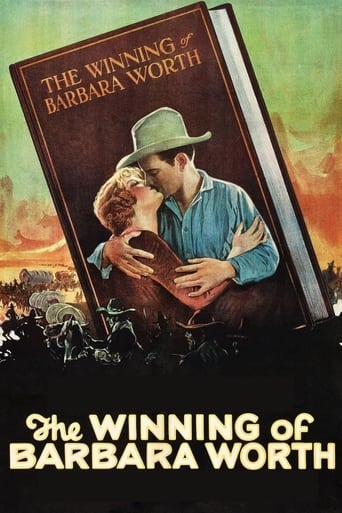
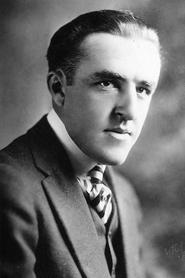
Ed Brady
Actor
Born: December 17, 1889 in New York City, New York, USA Died: March 14, 1942 Active: 1911-1926 Birth Name: Edward Joseph Brady
Films
9 films
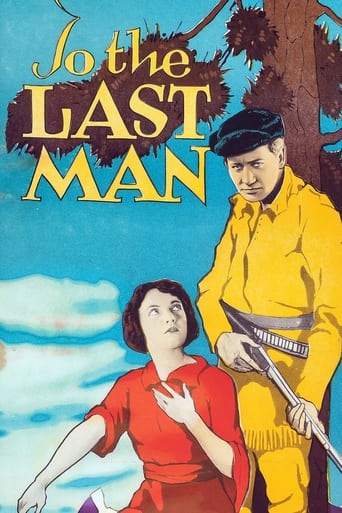
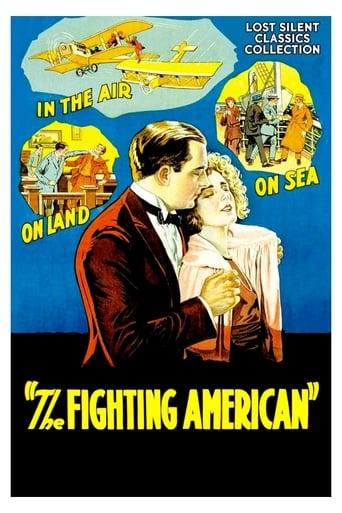
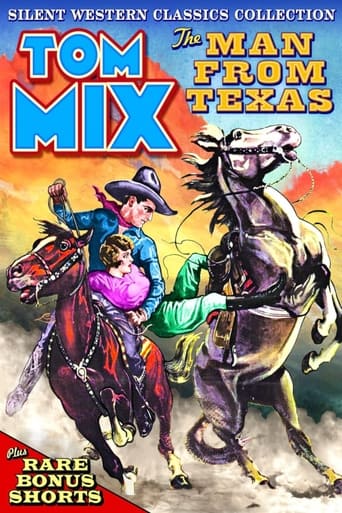

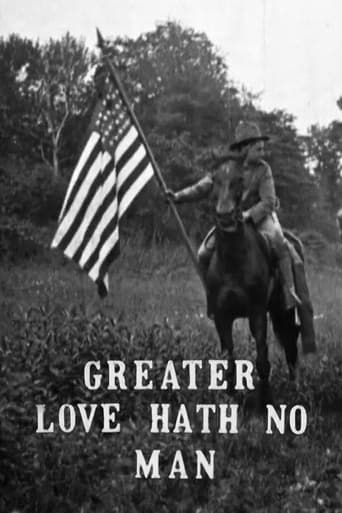
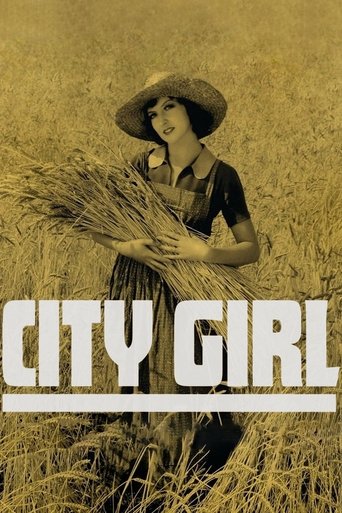

About Ed Brady
American actor who worked primarily during the silent film era, appearing in numerous Westerns and dramatic productions between 1911 and 1926. His the formative years of American cinema, beginning in the early 1910s when the film industry was still establishing itself in California. Brady appeared in over 50 films throughout his career, often playing supporting roles and character parts that were essential to the narrative structure of early cinema. He worked with several prominent directors of the era and appeared alongside many of the silent period's rising stars. His filmography includes a significant number of Westerns, reflecting the genre's popularity during his active years. Brady's career concluded as the transition to sound films began, a period when many silent era actors found their opportunities diminishing. While not a major star, his consistent work across fifteen years made him a recognizable face to audiences of the time.
The Craft
On Screen
Ed Brady's acting style was typical of the silent era, characterized by expressive physical gestures and facial expressions necessary to convey emotion without dialogue. He specialized in playing authoritative figures, often portraying sheriffs, ranchers, or military officers in Westerns and dramas. His screen presence was commanding yet naturalistic for the period, allowing him to blend seamlessly into ensemble casts. Brady demonstrated particular skill in portraying characters with moral authority or gravitas, making him a reliable supporting actor in many productions.
Milestones
- Film debut in 'Greater Love Hath No Man' (1911)
- Prolific career in Western films during the 1910s and 1920s
- Worked with prominent silent film directors
- Appeared in over 50 films during his 15-year career
- Transitioned from short films to feature-length productions
Best Known For
Iconic Roles
Must-See Films
Working Relationships
Worked Often With
Studios
Why They Matter
Impact on Culture
Ed Brady represents the archetype of the working actor during Hollywood's formative years, contributing to the development of the American film industry through consistent, reliable performances across numerous productions. While never achieving star status, his body of work helped establish the conventions of genre filmmaking, particularly in Westerns where he frequently appeared. His career trajectory mirrors that of many silent era actors who found steady employment in supporting roles, providing the essential character work that anchored films around their leading players. Brady's filmography serves as a valuable record of the types of stories and characters that appealed to early 20th century audiences.
Lasting Legacy
Ed Brady's legacy lies in his contribution to the silent film era's extensive catalog of American cinema. His work survives as part of the historical record of early Hollywood, representing the thousands of character actors who formed the backbone of the industry during its first decades. While individual films from his era have been lost to time, his documented filmography provides insight into the prolific nature of early film production and the types of roles that were essential to storytelling in silent cinema. Brady's career serves as an example of the journeyman actor's role in building the foundation of American film culture.
Who They Inspired
As a supporting actor rather than a star, Ed Brady's influence was primarily through his consistent contributions to the films of others. His portrayals of authority figures helped establish character archetypes that would continue in Western and dramatic films for decades. While he did not directly mentor other performers, his professional approach to his craft exemplified the work ethic that characterized successful character actors of the period. His performances, preserved in surviving silent films, continue to serve as reference points for actors studying techniques of silent era acting.
Off Screen
Ed Brady was born Edward Joseph Brady in New York City and later moved to California to pursue his acting career during the early days of Hollywood. He married actress and screenwriter Evelyn Nelson in 1925, though their marriage was relatively short-lived. Brady lived primarily in the Los Angeles area during his film career, as was common for actors working in the early Hollywood studio system. After retiring from acting, he remained in California until his death in 1942 at the age of 52.
Family
- Evelyn Nelson (1925-1927)
Did You Know?
- Began his film career at age 22 in 1911, during the very early days of Hollywood
- Appeared in both short films and feature-length productions, adapting to the industry's evolution
- Worked consistently during World War I, a period when many male actors were called to service
- His film career ended just as sound films were becoming dominant in Hollywood
- Married actress Evelyn Nelson, who was significantly younger than him, in 1925
- Often typecast in Westerns due to his authoritative screen presence
- Worked with multiple studios, reflecting the freelance nature of early film acting
- His death in 1942 occurred during Hollywood's Golden Age, an era he helped establish
- Many of his films are now considered lost, as was common with silent era productions
- His active years covered the entire silent era from its early days to its conclusion
Frequently Asked Questions
Who was Ed Brady?
American with credits in this catalog. He was known for playing supporting roles and authority figures throughout his fifteen-year career in early Hollywood.
What films is Ed Brady best known for?
Titles linked here include Greater Love Hath No Man (1911), Sage Brush Tom (1915).
When was Ed Brady born and when did he die?
Born December 17, 1889; died March 14, 1942.
What awards did Ed Brady win?
Ed Brady did not receive any major awards or nominations during his career, which was common for character actors of the silent era who worked primarily in supporting roles.
What was Ed Brady's acting style?
Ed Brady's acting style was typical of the silent era, featuring expressive physical gestures and facial expressions to convey emotion without dialogue. He specialized in portraying authority figures and was particularly effective in Western and dramatic roles.
Who did Ed Brady marry?
Ed Brady married actress and screenwriter Evelyn Nelson in 1925, though their marriage ended in divorce by 1927, just two years before Nelson's tragic death.
Why did Ed Brady's career end in 1926?
Ed Brady's career concluded in 1926 as the film industry was transitioning from silent films to talkies. This period was challenging for many silent era actors, particularly those in supporting roles, as the new technology changed casting requirements and acting styles.