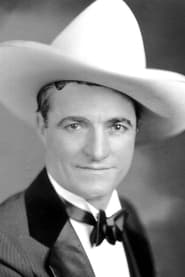


Sage Brush Tom
"Attract attention attracted actress."
Keys: Space play/pause · ←/→ 10s · F fullscreen · M mute · </> speed
About this film
When she and her company arrive at his ranch, he tries to attract her attention. Tom is attracted by an actress.
Cast & crew
More Comedy films
View all →






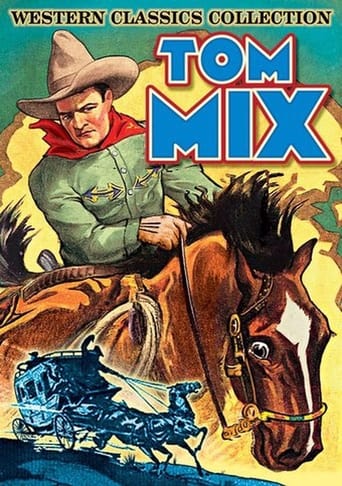
More from Tom Mix
View all →

More about this film
About the production
Release dateMarch 1915
ProductionSelig Polyscope Company
Filmed inSelig Zoo and Studio, Los Angeles, California, Newhall, California (ranch scenes)
This film was one of dozens of short westerns Tom Mix made for Selig Polyscope before becoming a major star. The production utilized actual working ranches and the company's own zoo facilities, which housed animals used in films. Mix performed his own stunts, a practice that would become his trademark throughout his career. The film was shot in the early California film industry before Hollywood became the dominant production center.
Themes
Rural vs. Urban ValuesAuthenticity vs. PerformanceFrontier NostalgiaRomantic PursuitClass Differences
Themes & topics
Historical background
The 1915 premiere of Sage Brush Tom belongs to the broader shift toward narrative features and recognizable genres.
Why this film matters
For historians, Sage Brush Tom documents what typical program fare looked like in 1915, not only marquee blockbusters.
Making of
The production of 'Sage Brush Tom' took place during a pivotal moment in Tom Mix's career, as he was transitioning from a supporting player to leading man status. Mix, who had real cowboy experience from his time working ranches in Oklahoma and Texas, insisted on authentic western details in the films. The Selig Polyscope Company, facing increasing competition from newer studios, was still producing high-quality shorts despite budget constraints. Mix's growing confidence as both actor and director showed in this film's more sophisticated comedic timing compared to earlier western shorts. The production team worked quickly, often completing a short like this in just 2-3 days of shooting, a pace that would have been impossible in later years as filmmaking became more complex. The film's modest success helped establish Mix's signature screen persona - the charming, athletic cowboy who could handle both action and comedy with equal skill.
What critics said
Audience surveys from 1915 are sparse; interest in Sage Brush Tom is inferred from reissue and archive activity.
Did you know?
- Tom Mix was not only the star but also the director of this film, one of his earliest directorial efforts
- The Selig Polyscope Company was one of the first film studios in America and owned the first permanent movie studio in Los Angeles
- Goldie Colwell was a frequent co-star with Tom Mix in his early Selig films, appearing in over a dozen shorts together
- This film was released during the transitional period when westerns were evolving from simple chase scenarios to more character-driven stories
- The film's title 'Sage Brush Tom' became one of Mix's early nicknames before he was known as 'The King of Cowboys'
- Selig Polyscope maintained its own zoo with animals available for filming, giving productions like this immediate access to authentic western livestock
- The film was likely shot on the same ranch sets used for other Selig westerns, with minimal changes between productions
- Tom Mix would go on to become one of the highest-paid actors in Hollywood by the 1920s, earning over $10,000 per week
- The theatrical company in the film reflected the real-life traveling shows that still visited remote western communities in the 1910s
- This short was part of a package of films that would be shown together in theaters during a typical movie program of the era
Visual style
The cinematography, typical of Selig Polyscope productions in 1915, utilized natural lighting for the outdoor ranch scenes, taking advantage of California's abundant sunshine. The camera work was straightforward but effective, with medium shots capturing the action and close-ups used sparingly but strategically for emotional moments. The film employed the static camera positions common in early cinema, with occasional panning shots to follow horseback action. The visual style emphasized the open spaces of the West, using depth of field to establish the rural setting. Interior scenes at the ranch house were lit through windows and practical lights, creating a warm, domestic atmosphere that contrasted with the outdoor action. The cinematography successfully balanced the film's dual needs to showcase both the western landscape and the comedic performances of the actors.
Innovations
While not technically innovative for its time, 'Sage Brush Tom' demonstrated solid production values typical of Selig Polyscope's output. The film utilized the company's established western sets and locations effectively, creating authentic frontier atmosphere on a modest budget. The action sequences, featuring Mix's horsemanship and stunts, were well-choreographed and photographed, showcasing the technical expertise developed through Selig's extensive experience with western productions. The film's editing maintained good pacing for a one-reel comedy, with clear narrative progression and effective comic timing. The production benefited from Selig's in-house facilities, including their own zoo for animal scenes and permanent western sets, allowing for efficient production without sacrificing visual quality.
Music
As a silent film, 'Sage Brush Tom' would have been accompanied by live musical performance in theaters. Typical accompaniment would have included a piano or small ensemble playing popular songs of the era, classical pieces, and specially composed mood music. For western films, theaters often used folk tunes like 'Home on the Range' or cowboy ballads, along with dramatic classical pieces for action sequences. The romantic scenes would have been underscored with popular love songs of 1915. Larger urban theaters might have had full orchestras, while smaller venues relied on single pianists or organists. The musical direction would have emphasized the film's comedic elements with light, playful melodies during Tom's attempts to woo the actress, while using more traditional western themes for the outdoor scenes.
Famous quotes
A real cowboy don't need no stage tricks to win a lady's heart!
Out here on the range, we do our courtin' with honest work, not fancy words!
You can take the girl out of the theater, but you can't take the theater out of the girl!
Memorable scenes
- Tom's disastrous attempt to impress the actress by performing theatrical tricks on his horse, resulting in comic chaos when the animal refuses to cooperate
- The climactic scene where Tom must choose between joining the traveling show or staying true to his cowboy roots
- The romantic moonlight scene where Tom finally wins the actress's heart with a simple, honest declaration of his feelings
What audiences thought
Audiences in 1915 responded positively to 'Sage Brush Tom,' particularly enjoying Tom Mix's athletic stunts and the film's lighthearted romantic storyline. The film was popular in both urban theaters and rural venues, where westerns had particularly strong appeal. Moviegoers of the era appreciated Mix's authentic cowboy background, which set him apart from other actors playing western roles. The film's modest length (one reel) made it ideal for the varied program formats still common in 1915 theaters, where it would be shown alongside newsreels, comedies, and other shorts. Audience letters to trade publications occasionally mentioned Mix's films specifically, indicating growing star recognition that would eventually make him among the leading bankable stars of the 1920s.
Film connections
Influenced by
- Earlier Selig western shorts
- Stage melodramas about the West
- Wild West shows
- Contemporary romantic comedies
- Dime novel westerns
This film influenced
- Later Tom Mix western comedies
- 1920s cowboy romance films
- Hollywood westerns with urban elements
- Comedy-western hybrids of the sound era
Film restoration
The film is believed to be lost, as are approximately 75% of American silent films. No known copies exist in major film archives like the Library of Congress, UCLA Film & Television Archive, or the Museum of Modern Art. The Selig Polyscope Company's film library suffered significant losses during the industry's early decades, and many of their short films from this period have not survived. Only fragmentary information from trade publications and studio records remains to document the film's existence.
Where to watch
- No known viewing options available - film is considered lost