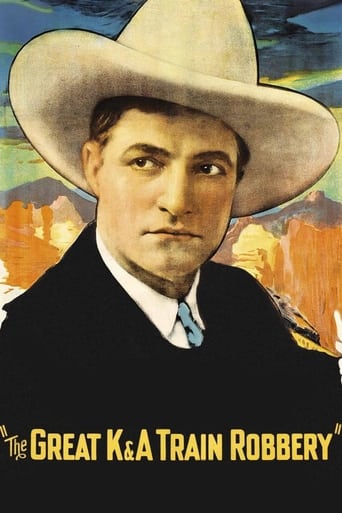
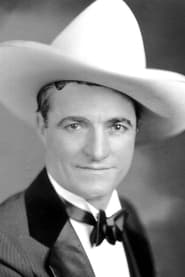
Tom Mix
Actor & Director
Born: January 6, 1880 in Mix Run, Pennsylvania, USA Died: October 12, 1940 Active: 1909-1935 Birth Name: Thomas Hezikiah Mix
Films
12 films
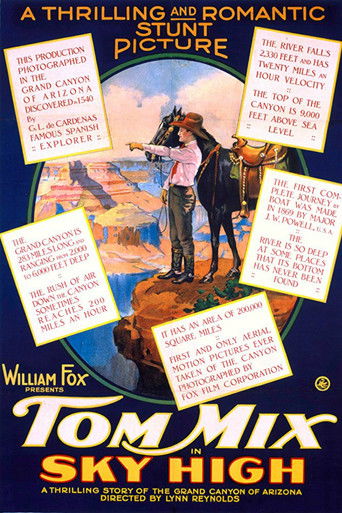
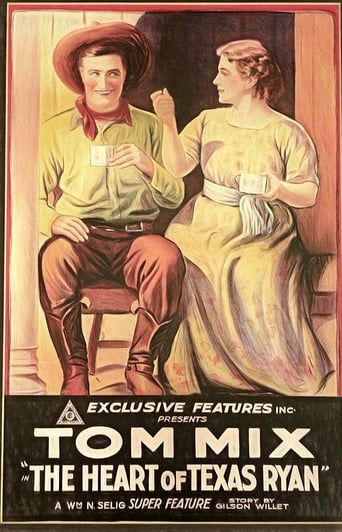
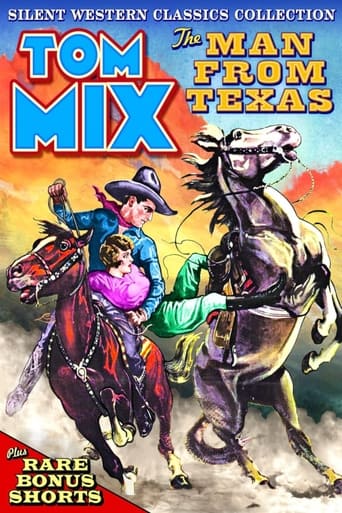
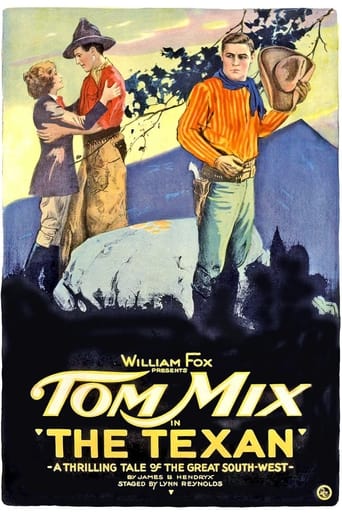
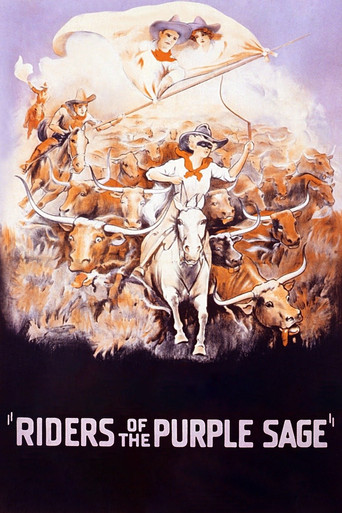
About Tom Mix
Tom Mix, born Thomas Hezikiah Mix, was America's first great Western film star and popular actors of the silent era. Beginning his career as a real cowboy, ranch hand, and Texas Ranger, Mix brought authentic Western experience to his film roles, making him a natural fit for the emerging genre. He made his film debut in 1909 with Selig Polyscope Company and quickly rose to stardom, eventually becoming the highest-paid actor in Hollywood during the 1920s, earning over $10,000 per week. Mix starred in more than 300 films, many of which he also directed and produced, showcasing his remarkable horsemanship and daredevil stunt work. His signature look included a large white Stetson hat, elaborate cowboy boots, and his loyal horse Tony, who became a star in his own right. Despite the transition to sound films, Mix continued making successful Westerns throughout the early 1930s before retiring from acting. His tragic death in a 1940 car accident at age 60 marked the end of an era for classic Hollywood Westerns.
The Craft
On Screen
Tom Mix's acting style was characterized by his natural athleticism, authentic cowboy demeanor, and charismatic screen presence. Unlike many actors of his era, Mix brought genuine Western experience to his roles, having worked as a real cowboy, ranch hand, and lawman. His performances emphasized action and physical prowess over dialogue, with his signature smile and confident swagger becoming trademarks. Mix specialized in spectacular stunts, often performing his own dangerous horseback riding, roping, and fight sequences, which added credibility to his heroic cowboy persona.
Behind the Camera
As a director, Tom Mix favored straightforward, action-oriented storytelling that showcased his physical abilities and horsemanship. His directing approach emphasized spectacular outdoor photography, authentic Western locations, and dynamic action sequences that kept audiences engaged. Mix understood the visual nature of silent cinema and used wide shots to capture the grandeur of the American West while ensuring his stunts were clearly visible. His films typically followed simple moral narratives with clear heroes and villains, reflecting the popular values of his time while maintaining brisk pacing throughout.
Milestones
- First Western film star to achieve international fame
- Highest-paid actor in Hollywood during the 1920s
- Starred in over 300 films
- Directed and produced many of his own films
- Created the notable cowboy image that influenced generations
- His horse Tony became the first animal film star
- Pioneered elaborate stunt work in Western films
Best Known For
Iconic Roles
Must-See Films
Accolades
Won
- Hollywood Walk of Fame Star (1960, posthumous)
- Hall of Great Western Performers (1979, posthumous)
Special Recognition
- Inducted into the Hall of Great Western Performers at the National Cowboy & Western Heritage Museum
- Star on the Hollywood Walk of Fame at 1708 Vine Street
- Featured on a U.S. Postage stamp in 2010 as part of the Legends of Hollywood series
- The Tom Mix Museum in Dewey, Oklahoma dedicated to his legacy
Working Relationships
Worked Often With
Studios
Why They Matter
Impact on Culture
Tom Mix fundamentally shaped the American Western film genre and created the template for the cinematic cowboy hero that would dominate Hollywood for decades. His films established many conventions of Western storytelling, including the lone lawman, the clear moral dichotomy between good and evil, and the celebration of frontier values. Mix's authentic background as a real cowboy brought unprecedented credibility to Western films, elevating them from low-budget curiosities to major Hollywood productions. His influence extended beyond cinema into popular culture, as his image became synonymous with American masculinity and the myth of the Old West. Mix's success paved the way for future Western stars and helped establish the cowboy as an enduring American icon.
Lasting Legacy
Tom Mix's legacy endures as the foundational figure of the Western film genre and the prototype for all subsequent cowboy heroes. His films continue to be studied by film historians for their technical innovations in stunt work and action cinematography. The Tom Mix Museum in Oklahoma preserves his memory, while his influence can be seen in countless Western films and television shows that followed. Mix's creation of the cowboy hero archetype directly influenced stars like John Wayne, Clint Eastwood, and the entire spaghetti Western genre. His combination of athletic prowess, charismatic performance, and authentic Western experience set a standard that few have matched, cementing his place in cinema history as the original King of the Cowboys.
Who They Inspired
Tom Mix influenced generations of performers and filmmakers through his work in action cinema and his creation of the cowboy hero archetype. His emphasis on performing his own stunts inspired later action stars from Douglas Fairbanks to modern performers like Tom Cruise and Jackie Chan. Mix's business acumen in controlling his own productions and negotiating unprecedented salaries set precedents for star power in Hollywood. His development of the sidekick horse character influenced countless animal co-stars in film, from Trigger to Silver. Directors like John Ford and Howard Hawks built upon Mix's visual language of the West, while actors such as Gary Cooper and James Stewart adapted his understated heroic presence for more sophisticated Westerns.
Off Screen
Tom Mix's personal life was as colorful as his film career, marked by five marriages and numerous business ventures outside of Hollywood. He was known for his generosity and often gave money to friends and strangers in need, despite his enormous wealth. Mix — avid polo player and owned a ranch in California where he raised horses and cattle. His later years saw him touring with circus shows and making personal appearances, capitalizing on his enduring popularity. Despite his public success, Mix struggled with alcoholism in his later years, which may have contributed to the circumstances of his fatal car accident.
Education
Limited formal education; left school early to work on farms and ranches, gaining practical experience that would later inform his film career
Family
- Grace Allin (1902-1903)
- Olive Stokes (1905-1922)
- Victoria Forde (1923-1932)
- Mabel Hubbell Ward (1932-1933)
- Marion Elizabeth Zur Sieden (1934-1940, until his death)
Did You Know?
- Was a real Texas Ranger before entering films
- His horse Tony earned more than many human actors of the time
- Once performed a stunt where he jumped his horse onto a moving train
- Owned a circus and toured with it in his later years
- His films earned an estimated $200 million in today's money
- Had a special clause in his contracts guaranteeing his horse top billing
- Was one of the first stars to receive a percentage of film profits
- His white Stetson hat was so large it had to be specially made
- Survived numerous serious injuries during his film career
- His death in a car accident occurred while he was carrying a large amount of cash and aluminum from a mining claim
- Was friends with President Theodore Roosevelt
- Spoke several languages including Spanish, which helped in his Western films
In Their Own Words
I've been thrown from horses, shot at, and had my share of fights, but I've never been hurt making a picture
A cowboy is a man with guts and a horse
The West isn't a place, it's a way of life
I'd rather ride a horse than walk any day
In pictures, I do what I'd do in real life - ride fast and shoot straight
Frequently Asked Questions
Who was Tom Mix?
Tom Mix was America's first great Western film star and. He was known as the 'King of Cowboys' and brought authentic cowboy experience to his roles, having worked as a real cowboy and Texas Ranger before entering films.
What films is Tom Mix best known for?
Titles linked here include The Great K&A Train Robbery (1926), The Arizona Cyclone (1928).
When was Tom Mix born and when did he die?
Born January 6, 1880; died October 12, 1940.
What awards did Tom Mix win?
While Tom Mix did not receive major film awards during his lifetime, he was posthumously honored with a star on the Hollywood Walk of Fame in 1960 and was inducted into the Hall of Great Western Performers in 1979. He also appeared on a U.S. Postage stamp in 2010 as part of the Legends of Hollywood series.
What was Tom Mix's acting style?
Tom Mix's acting style emphasized physical prowess, authentic cowboy demeanor, and charismatic screen presence. He brought real Western experience to his roles, performed his own elaborate stunts, and created the notable heroic cowboy image that influenced generations of Western stars.
How did Tom Mix die?
Tom Mix died in a single-car accident on October 12, 1940, when his 1937 Cord 812 Phaeton convertible crashed on a highway near Florence, Arizona. He was killed instantly when a suitcase containing aluminum and cash dislodged and struck him in the head.
What was Tom Mix's horse's name?
Tom Mix's famous horse was named Tony, known as 'Tony the Wonder Horse.' Tony became a star in his own right and was one of the first animal actors to receive top billing in films, even earning more than many human actors of the time.