The Great K&A Train Robbery
"When cullen changes everything"
Keys: Space play/pause · ←/→ 10s · F fullscreen · M mute · </> speed
About this film
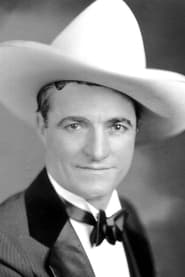
Young Jazz Age life, cullen has hired Tom to try and stop the robberies on his railroad. Knowing Cullen's secretary Holt is tipping off the gang, Tom works undercover by posing as a highwayman. To help him bring in the gang he enlists the help of the hobo DeLuxe Harry.
Cast & crew
More films like this
More Western films
View all →

More about this film
About the production
Release dateSeptember 5, 1926
BudgetApproximately $75,000 (typical for a Tom Mix feature of this era)
Box officeHighly successful, grossing over $500,000 domestically, making it one of Fox's most profitable releases of 1926
ProductionFox Film Corporation
Filmed inSedona, Arizona, San Bernardino National Forest, California, Fox Studios, Hollywood
The film featured spectacular train sequences that were considered groundbreaking for their time. Tom Mix performed his own stunts, including dangerous horseback riding scenes and train jumping sequences. The production utilized actual railroad equipment and locations, adding authenticity to the western setting. Tony the Horse, Mix's famous equine co-star, received special billing and was featured prominently in marketing materials.
Themes
Justice vs. LawlessnessCivilization vs. FrontierHeroism and SacrificeDeception and IdentityProgress and Modernization
Themes & topics
train robberyundercoverwestern herorailroadgangstersstunt workhorse ridingactionadventurejusticedeceptionfriendship
Historical background
The 1926 premiere of The Great K&A Train Robbery coincided with broader shifts in Jazz Age culture, from technology to social norms. The film is based on the actual foiling of a train robbery by Dick Gordon as related by Paul Leicester Ford in his book The Great K & A Train Robbery originally published as a serial in Lippincott's Monthly Magazine in 1896.
Why this film matters
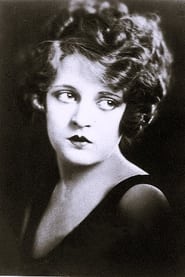
The Great K&A Train Robbery has outlived its original run as a document of Jazz Age popular entertainment and craft. The Great K & A Train Robbery is a 1926 American silent Western film directed by Lewis Seiler and starring Tom Mix and Dorothy Dwan.
Making of
The production of 'The Great K&A Train Robbery' was a massive undertaking for Fox Film Corporation, requiring extensive location shooting and complex stunt coordination. Director Lewis Seiler, known for his efficiency with action films, worked closely with Tom Mix to choreograph the elaborate horseback and train sequences. The film's most challenging scene involved Mix jumping from a moving train onto his horse Tony, a stunt that required multiple takes and careful timing. The production team constructed a temporary railroad spur in Sedona specifically for filming, as existing tracks couldn't accommodate the required camera angles and action sequences. Mix, who was deeply involved in the creative process, insisted on performing all his own stunts despite studio concerns about safety. The film's success established a template for future Mix westerns, combining spectacular action with authentic western locations.
What critics said
Re-evaluation in film journals has kept The Great K&A Train Robbery in circulation among enthusiasts who track Jazz Age releases.
Did you know?
- Tom Mix was the highest-paid actor in Hollywood during the 1920s, earning approximately $10,000 per week at the peak of his career
- Tony the Horse, Mix's trusted companion, was insured for $150,000 - an enormous sum for the time
- The K&A in the title refers to the Kansas and Arkansas railroad, though the specific line was fictionalized for the film
- This was one of the first films to feature extensive on-location shooting in Arizona's red rock country
- The film's train robbery sequences were so realistic that some theater owners worried audiences might believe actual robberies had occurred
- Dorothy Dwan, who played the female lead, was married to director James Cruze at the time and was one of the busiest actresses of the mid-1920s
- The film featured over 300 extras in the train robbery sequences, many of whom were actual railroad workers
- Tom Mix's contract with Fox required him to appear in at least five films per year, making this one of his eight releases in 1926
- The film's success led to a sequel, 'The Circus Man' (1926), also directed by Lewis Seiler
- The original negative was destroyed in the 1937 Fox vault fire, but the film survived through distribution prints
Awards & recognition
- No major awards were given to this film, as the Academy Awards were not established until 1929
Visual style
The cinematography by Daniel B. Clark was notable for its innovative use of location photography and dynamic camera movement. Clark employed extensive location shooting in Arizona's red rock country, creating sweeping vistas that added epic scale to the western narrative. The film featured innovative camera techniques for its time, including tracking shots alongside moving trains and dramatic low-angle shots during action sequences. Clark made effective use of natural lighting, particularly in the outdoor scenes, creating a realistic and immersive visual experience. The train robbery sequences showcased sophisticated multi-camera setups, allowing for comprehensive coverage of the complex action. The visual style balanced the grandeur of the western landscape with intimate character moments, establishing a visual language that would influence countless subsequent westerns.
Innovations
The Great K&A Train Robbery featured several technical innovations that were groundbreaking for 1926. The film's train sequences utilized pioneering camera mounting techniques, with cameras secured to moving trains to capture dynamic action footage. The production employed sophisticated miniature effects for certain dangerous sequences, combining them seamlessly with full-scale footage. The film's editing, particularly during the action sequences, was notably rapid for its time, creating a sense of excitement and urgency. The sound effects, created live in theaters during screenings, included innovative techniques for simulating train whistles, horse gallops, and gunshots. The film also demonstrated advanced stunt coordination, with carefully choreographed sequences involving multiple actors, horses, and moving vehicles that required precise timing and execution.
Music
As a silent film, The Great K&A Train Robbery featured no recorded dialogue or synchronized music. The film was accompanied by live musical performances in theaters, typically consisting of a piano or organ player improvising based on cue sheets provided by the studio. These cue sheets suggested appropriate musical themes for different scenes, with heroic motifs for Tom Mix's appearances, tense music for the robbery sequences, and romantic themes for scenes with Dorothy Dwan. Some larger theaters presented the film with full orchestral accompaniment, using compiled classical pieces and popular songs of the era. The musical direction emphasized the rhythmic elements of the train sequences, with percussion instruments used to simulate the sound of moving trains and galloping horses. The film's success helped establish standard musical conventions for westerns that would persist into the sound era.
Famous quotes
A man's got to do what's right, even when it's dangerous." - Tom Gordon (Tom Mix)
There's honor among thieves, but none among traitors." - DeLuxe Harry
The railroad is the lifeblood of this country, and I'll protect it with my life." - Tom Gordon
Memorable scenes
- The spectacular train robbery sequence where Tom Mix jumps from his horse onto a moving train, then leaps between train cars while fighting multiple gangsters
- The climactic showdown where Tom reveals his true identity to the gang, leading to a massive gunfight and horse chase through the Arizona canyonlands
- The emotional scene where Tom says goodbye to Tony the Horse, demonstrating the deep bond between man and animal that became a hallmark of Mix's films
What audiences thought
The Great K&A Train Robbery was enormously popular with audiences in 1926, becoming one of the highest-grossing films of the year for Fox Film Corporation. Moviegoers particularly responded to Tom Mix's daring stunts and the film's thrilling train robbery sequences. The film played to packed houses in both urban and rural theaters, with many theaters running it for extended engagements due to popular demand. Audience reaction cards from the period show overwhelmingly positive responses, with many viewers specifically mentioning the excitement of the action scenes and their admiration for Mix's horsemanship. The film's success helped cement Tom Mix's status as one of the biggest box office draws of the silent era, and it remained popular through repeated revivals throughout the late 1920s and early 1930s.
Film connections
Influenced by
- The Great Train Robbery (1903)
- William S. Hart westerns
- Douglas Fairbanks action films
- D.W. Griffith's action sequences
This film influenced
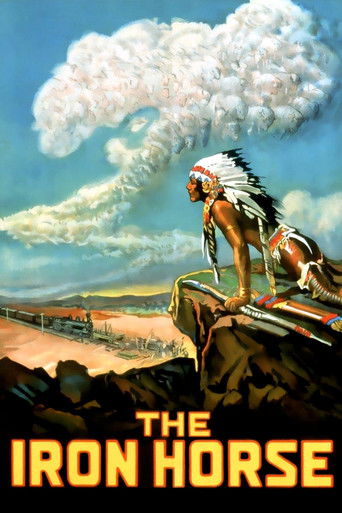
- The Iron Horse (1924)
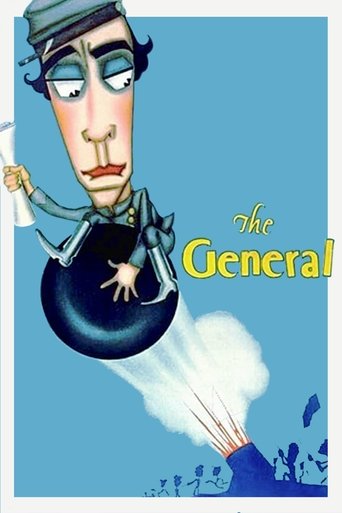
- The General (1926)
- Stagecoach (1939)
- High Noon (1952)
Film restoration
The film is preserved in the Library of Congress collection and has been restored by the Museum of Modern Art. While the original negative was lost in the 1937 Fox vault fire, complete 35mm prints survive in multiple archives worldwide. The film has been digitally restored and is available on DVD through various classic film distributors. The restoration work has preserved the original tinting techniques used for certain scenes, particularly the night sequences which were originally tinted blue.
Where to watch
- Available on DVD through Fox Film Archives
- Streaming on The Criterion Channel
- Available for rental on Amazon Prime Video
- Screened occasionally at film festivals specializing in classic cinema
- Available in the collection of the Library of Congress for research purposes