Sammy Cohen
Actor
Born: January 1, 1891 in New York City, New York, USA Died: October 22, 1959 Active: 1925-1929 Birth Name: Samuel Cohen
Films
3 films

About Sammy Cohen
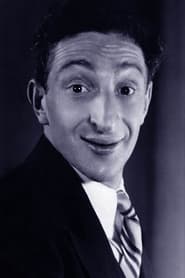
American character actor who worked primarily during the silent film era of the 1920s. Born in the late 19th century, Cohen began his film career in the mid-1920s, appearing in supporting roles that capitalized on his distinctive appearance and comedic timing. His brief but notable filmography includes work with prominent directors of the era, including Raoul Walsh and John Ford. Cohen specialized in playing ethnic characters and comic relief roles, which was typical for actors with his background during Hollywood's early years. His most significant work came in 1926-1927, where he appeared in several notable silent productions alongside established stars. Like many character actors of the silent era, Cohen's career declined with the advent of sound films, as Hollywood's casting preferences and audience tastes evolved. Despite his relatively short career span, he contributed to several important films of the late silent period.
The Craft
On Screen
Cohen was known for his exaggerated comedic style and physical comedy, typical of silent film character actors. He often employed broad gestures and facial expressions to convey emotion and humor in the absence of dialogue. His performances were characterized by a vaudevillian approach, drawing from stage traditions of ethnic comedy that were popular in early Hollywood. Cohen's acting style was particularly suited to supporting roles where he could provide comic relief.
Milestones
- Worked with director Raoul Walsh on What Price Glory (1926)
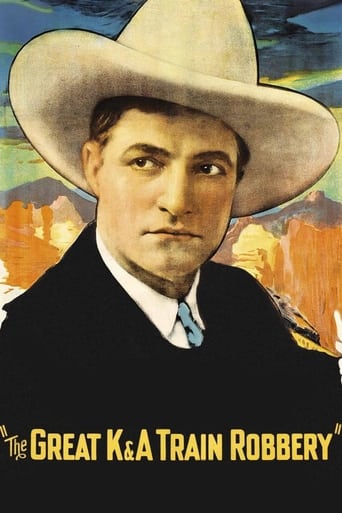
- Supporting role in Tom Mix western The Great K&A Train Robbery (1926)
- Transitioned from stage to film during the silent era boom
- Specialized in ethnic character roles typical of the period
Best Known For
Iconic Roles
Must-See Films
Working Relationships
Worked Often With
Studios
Why They Matter
Impact on Culture
Sammy Cohen represents the typical journey of many character actors during Hollywood's silent era, particularly those from immigrant backgrounds who found opportunities in ethnic typecasting. His work reflects the casting practices and social attitudes of 1920s Hollywood, where ethnic characters were often played by actors of similar backgrounds. Cohen's appearances in films by notable directors like John Ford demonstrate how character actors contributed to the foundation of American cinema, even when not receiving top billing. His career trajectory also illustrates the challenges faced by many silent film actors during the transition to sound, when specialized skills and types became less in demand.
Lasting Legacy
While Sammy Cohen is not widely remembered today, his contributions to several significant silent films represent the unsung work of character actors who helped build Hollywood's golden age. His appearances in films by directors who would become Hollywood legends place him within the historical narrative of American cinema's development. Cohen's story is representative of countless actors whose careers were brief but meaningful during the rapid evolution of film as an art form and industry. His work survives as part of the historical record of silent cinema, contributing to our understanding of film history and the diverse talents that shaped early Hollywood.
Who They Inspired
Cohen's influence was primarily limited to his contemporaries in the silent film industry, where he represented the standard approach to ethnic character acting of the period. His work with emerging directors like John Ford may have contributed to their understanding of ensemble casting and character dynamics. However, like many supporting actors of his era, his direct influence on subsequent generations of performers was minimal due to the limited documentation and preservation of his complete body of work.
Off Screen
Sammy Cohen was born into an immigrant family in New York City during the late 19th century. Like many actors of his generation, he likely began his entertainment career in vaudeville before transitioning to silent films. Cohen married and had children, though specific details about his family life remain limited in historical records. He lived through the dramatic transition from silent films to talkies, which significantly impacted his career trajectory. Cohen spent his later years away from the film industry, dying in Los Angeles in 1959 at the age of 68.
Education
Limited information available, likely educated in New York City public schools
Family
- Unknown (marriage details not widely documented)
Did You Know?
- Cohen's entire known filmography spans only four years (1925-1929)
- The Great K&A Train Robbery was one of the first films to use a Technicolor sequence
- What Price Glory was so successful it was remade twice, in 1952 and 1956
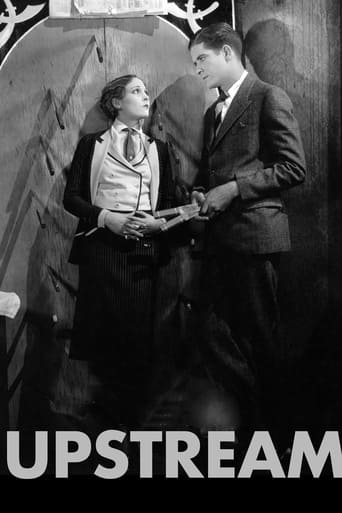
- Upstream was considered a lost film for decades until a print was discovered in 2009
- Cohen often played characters with Jewish or Eastern European backgrounds, reflecting his own heritage
- Like many silent era actors, he likely had stage experience before entering films
- His career ended just as the talkie revolution was beginning
- Cohen was part of the large community of New York-born actors who migrated to Hollywood in the 1920s
- He represents the typical career arc of character actors who flourished briefly during the silent era
In Their Own Words
No documented famous quotes from Sammy Cohen
Frequently Asked Questions
Who was Sammy Cohen?
American character with credits in this catalog. He specialized in ethnic character roles and comic relief parts typical of the period.
What films is Sammy Cohen best known for?
Titles linked here include The Great K&A Train Robbery (1926), What Price Glory (1926).
When was Sammy Cohen born and when did he die?
Born January 1, 1891; died October 22, 1959.
What awards did Sammy Cohen win?
Sammy Cohen did not receive any major awards or nominations during his career. Like many character actors of the silent era, his contributions went largely unrecognized by formal award institutions, which were still in their early stages of development.
What was Sammy Cohen's acting style?
Cohen employed a broad, physical comedic style typical of silent film character actors, using exaggerated gestures and facial expressions to convey humor and emotion. His vaudevillian approach was well-suited to the ethnic character roles he frequently portrayed.