Films
1 film
About Harry Gripp
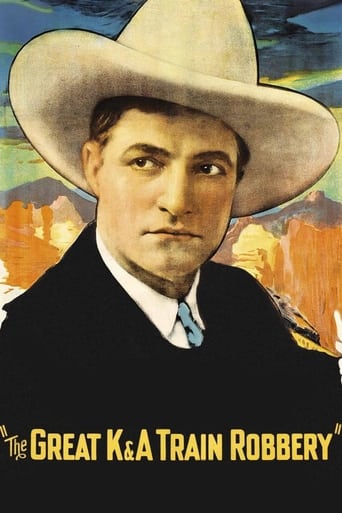
Harry Gripp appears once in this catalog: The Great K&A Train Robbery (1926). A period when Hollywood was producing hundreds of Western films annually. His only known film credit is in the 1926 Western 'The Great K&A Train Robbery,' starring the Tom Mix. Like many actors of the silent era, Gripp was likely part of the extensive supporting cast system that studios relied on to populate their productions. His brief film career coincided with the peak of silent Western popularity, just before the transition to sound films would dramatically alter the industry. Very little documentation survives about actors of his stature, as most were uncredited extras or minor character actors who left few traces in historical records. His appearance in a Tom Mix film suggests he was likely under contract to Fox Film Corporation, which was Mix's home studio during this period.
The Craft
Milestones
- Appeared in 'The Great K&A Train Robbery' (1926) starring Tom Mix
Best Known For
Must-See Films
Working Relationships
Worked Often With
Studios
Why They Matter
Impact on Culture
Harry Gripp represents the thousands of anonymous actors who formed the backbone of Hollywood's golden age, particularly in the Western genre. His contribution, though minor in scope, was part of the larger machine that created America's cinematic mythology. Actors like Gripp were essential to the production system, providing the necessary depth and authenticity to films that have become cultural touchstones. Their work, though often uncredited, helped establish the conventions and visual language of American cinema that would influence generations of filmmakers worldwide.
Lasting Legacy
As a minor actor from the silent era, Harry Gripp's legacy is primarily archival, representing the vast workforce of early Hollywood that has largely been forgotten by time. His appearance in a Tom Mix film places him within the context of. While his individual contribution may seem negligible, collectively, actors like Gripp were crucial to the success of the studio system and the development of American film as both art and entertainment. His story illustrates the transient nature of early film careers and the thousands of performers who briefly touched cinema history before fading into obscurity.
Who They Inspired
Given his limited filmography and minor status, Harry Gripp likely had no direct influence on other actors or directors. However, his work as part of the ensemble in a major Tom Mix production contributed to the overall quality and authenticity of silent Westerns, which in turn influenced the development of the genre. His career exemplifies the collaborative nature of early filmmaking, where even the smallest roles contributed to the final product's success.
Off Screen
Very little is known about Harry Gripp's personal life, which is typical for minor actors from the silent era who did not achieve stardom. Like many supporting actors of his time, he likely lived a modest life working in the film industry during Hollywood's formative years.
Did You Know?
- Harry Gripp's only known film appearance was in 1926, making him a one-film actor
- He appeared during the peak of the silent Western era, when Tom Mix was one of Hollywood's biggest stars
- The Great K&A Train Robbery was one of many Westerns produced by Fox Film Corporation in the 1920s
- Like many supporting actors of his era, he was likely without on-screen billing in the film
- His active years covered only one year during the transition period between silent films and talkies
- Most actors with similar filmography from this period were contract players or day laborers in the studio system
Frequently Asked Questions
Who was Harry Gripp?
Silent film with credits in this catalog. He represents the many minor actors who populated Hollywood films during the silent era but left little historical record.
What films is Harry Gripp best known for?
Titles linked here include The Great K&A Train Robbery (1926).
When was Harry Gripp born and when did he die?
Harry Gripp's birth and death dates are not documented in historical records, which is common for minor actors from the silent era who did not achieve significant fame. His only known work dates from 1926.
What awards did Harry Gripp win?
Harry Gripp did not receive any known awards or nominations for his work in film. This was typical for supporting actors and extras during the silent era, who were often uncredited and unrecognized for their contributions.
What was Harry Gripp's acting style?
There is no documented information about Harry Gripp's specific acting style. As a minor actor in a silent Western, he likely employed the exaggerated physical acting techniques common to the genre and period, but his performance details are not preserved in historical records.