Carl Miller
Actor
Born: 1893 in Colorado Springs, Colorado, USA Died: 1979 Active: 1921-1926
Films
6 films

About Carl Miller
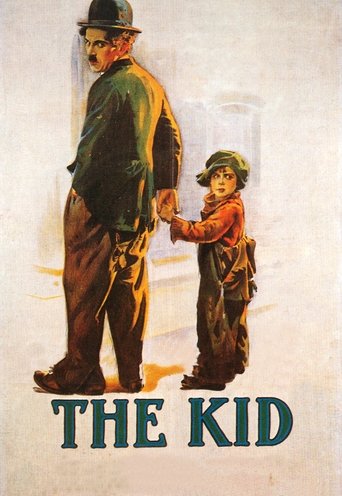
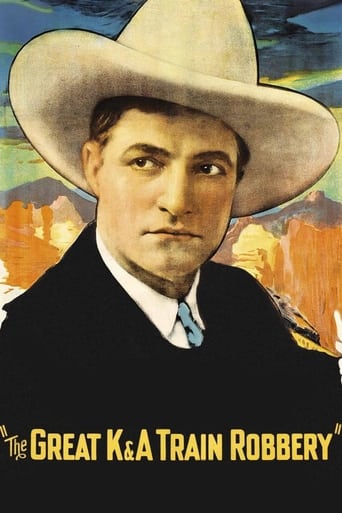
American silent film actor who enjoyed a brief but notable career during the early 1920s, primarily working with filmmaker Charlie Chaplin. Born in 1893 in Colorado Springs, Miller entered the film industry at the height of the silent era and quickly gained recognition for his role in Chaplin's masterpiece 'The Kid' (1921), where he portrayed the adult version of Jackie Coogan's character. He continued his collaboration with Chaplin in 'A Woman of Paris: A Drama of Fate' (1923), further establishing himself as a reliable supporting actor in sophisticated dramas of the silent era. Throughout his career, Miller appeared in approximately 15-20 films, working with various studios but maintaining his strongest association with Chaplin's productions. His acting style was characteristic of the silent era, emphasizing expressive facial features and body language to convey emotion, though with a more naturalistic approach than many of his contemporaries. Miller's career in film was relatively short-lived, as he seemingly retired from acting around 1926, after appearing in the Tom Mix western 'The Great K&A Train Robbery.' Following his departure from Hollywood, Miller largely disappeared from public life, leaving behind a small but significant legacy in silent cinema history as part of Chaplin's trusted ensemble.
The Craft
On Screen
Miller employed the classic silent film acting technique characterized by exaggerated facial expressions and gestural movements to convey emotion, but with a more naturalistic approach than many of his contemporaries. His screen presence was earnest and sincere, making him particularly effective in dramatic roles that required emotional depth. In his work with Chaplin, he demonstrated a natural ability to balance comedy with pathos, a skill essential for Chaplin's blend of humor and sentimentality. His performances were understated compared to some of his contemporaries, showing a subtle approach that anticipated the more nuanced acting style that would become common with the advent of sound films.
Milestones
- Breakthrough role in Charlie Chaplin's 'The Kid' (1921)
- Collaboration with Chaplin in 'A Woman of Paris' (1923)
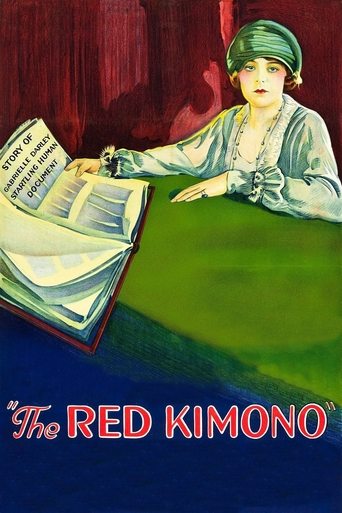
- Leading role in 'The Red Kimona' (1925)
- Appeared in Tom Mix western 'The Great K&A Train Robbery' (1926)
Best Known For
Iconic Roles
Must-See Films
Working Relationships
Worked Often With
Studios
Why They Matter
Impact on Culture
Carl Miller's cultural impact, while limited by his brief career, is significant due to his association with Charlie Chaplin during. His performance in 'The Kid' contributed to what many consider Chaplin's most perfect blend of comedy and drama, representing the transition from childhood innocence to adult responsibility. Miller embodied the grown-up version of the character audiences had grown to love, creating a poignant moment that has resonated with viewers for generations. His role in 'A Woman of Paris' further demonstrated his ability to work within Chaplin's dramatic vision, helping to establish the film as. Miller represents the crucial supporting actors who, while never achieving stardom themselves, were essential to creating cinema's most enduring masterpieces.
Lasting Legacy
Carl Miller's legacy is primarily defined by his association with Charlie Chaplin during a pivotal period in film history. While he never achieved stardom on his own, his performances in two of Chaplin's most important films have ensured his place in cinema history as part of the Chaplin ensemble. Film historians and silent cinema enthusiasts recognize Miller as a reliable character actor who contributed to the enduring power of these classic films through his naturalistic performances. His brief career serves as a reminder of the many talented actors who played crucial supporting roles in cinema's masterpieces but never achieved lasting fame. Miller's work continues to be appreciated by those who study the collaborative nature of silent filmmaking and the importance of ensemble casting in creating cinematic classics that have stood the test of time.
Who They Inspired
Due to his brief career and supporting roles, Carl Miller's direct influence on other actors and filmmakers appears limited in the traditional sense. However, his naturalistic acting style in Chaplin's films represented a move away from the more theatrical performances common in early cinema, anticipating the more subtle approach that would become standard with sound. His ability to convey emotion through nuanced expression rather than broad gestures demonstrated the evolving craft of film acting during this transitional period. While not a major influence in terms of mentoring other actors or creating a distinctive acting school, Miller's performances stand as examples of the sophisticated ensemble work that characterized Chaplin's productions and influenced how directors approached casting supporting roles in feature films.
Off Screen
Very little is documented about Carl Miller's personal life outside of his brief film career. Unlike many of his contemporaries, Miller did not seek the spotlight and appears to have valued his privacy throughout his life. After retiring from acting around 1926, he seemingly completely withdrew from the entertainment industry and public life. His post-Hollywood life remains largely undocumented, with few records available about his later years, occupations, or family circumstances. This deliberate privacy has contributed to the mysterious nature of his legacy in cinema history, making him one of the more enigmatic figures from Chaplin's circle of collaborators.
Did You Know?
- Miller's most famous role was as the adult version of Jackie Coogan's character in 'The Kid'
- He worked with Charlie Chaplin on two of the comedian's most important films
- Despite his success with Chaplin, Miller never became a major star
- His career lasted only approximately five years, from 1921 to 1926
- After retiring from films, Miller completely disappeared from public life
- Very little personal information about Miller is available to film historians
- He appeared in both dramatic films and westerns during his short career
- Miller was one of the few actors Chaplin used repeatedly in his films
- His final film appearance was in the Tom Mix western 'The Great K&A Train Robbery'
- Miller represents the many talented supporting actors who contributed to silent cinema's masterpieces but remain largely forgotten today
- His naturalistic acting style was ahead of its time for the silent era
- No photographs of Miller outside of his film roles are widely available
Frequently Asked Questions
Who was Carl Miller?
American silent film with credits in this catalog. His active years covered only about five years before he retired from acting and largely disappeared from public life.
What films is Carl Miller best known for?
Titles linked here include The Kid (1921), A Woman of Paris: A Drama of Fate (1923).
When was Carl Miller born and when did he die?
Born 1893; died 1979.
What awards did Carl Miller win?
There are no records of Carl Miller receiving any major awards or nominations during his brief film career. His recognition comes primarily from his association with Charlie Chaplin's classic films rather than individual accolades or honors.
What was Carl Miller's acting style?
Miller employed the classic silent film acting technique with expressive facial features and body language, but with a more naturalistic approach than many of his contemporaries. His performances were characterized by sincerity and emotional subtlety, making him particularly effective in dramatic roles within Chaplin's films.
Why did Carl Miller's career end so quickly?
The exact reasons for Miller's retirement from acting in 1926 remain unknown, as he left no public statements about his decision. His complete withdrawal from public life after leaving Hollywood suggests a deliberate choice to pursue a different path away from the entertainment industry.
How was Carl Miller connected to Charlie Chaplin?
Miller was part of Chaplin's trusted ensemble of actors, appearing in two of the filmmaker's most important productions. Chaplin apparently valued Miller's naturalistic acting style and reliability, casting him in significant supporting roles in both 'The Kid' and 'A Woman of Paris'.