

The Red Kimona
"Abandoned, she walks a red-light street"
Keys: Space play/pause · ←/→ 10s · F fullscreen · M mute · </> speed
About this film
A woman is abandoned by her lover and prostitution is the only way she has to survive.
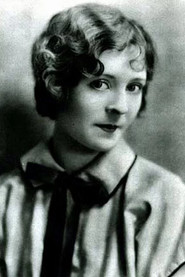
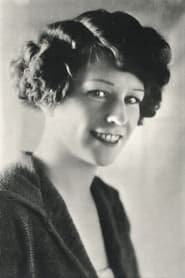
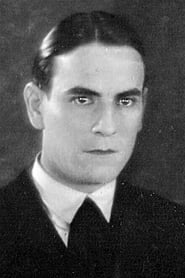
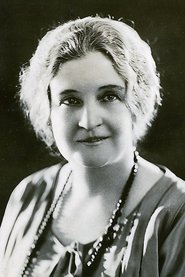
Cast & crew
More films like this
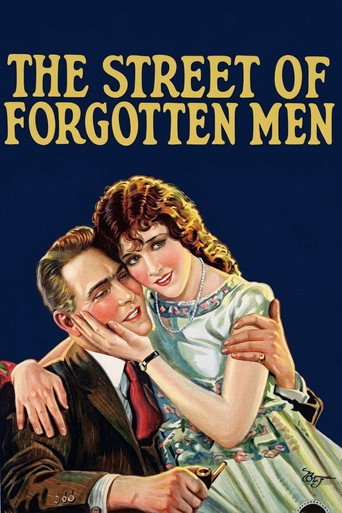
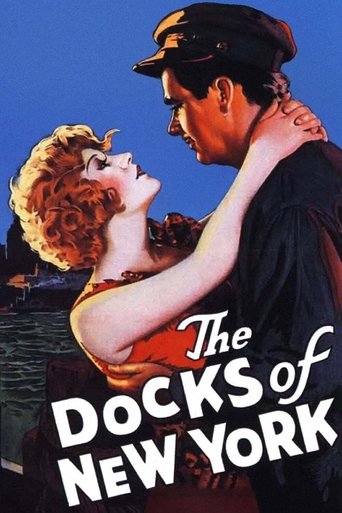
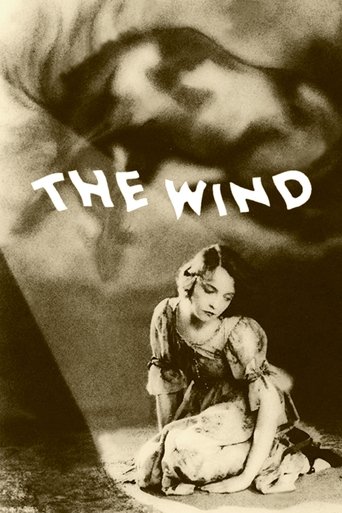
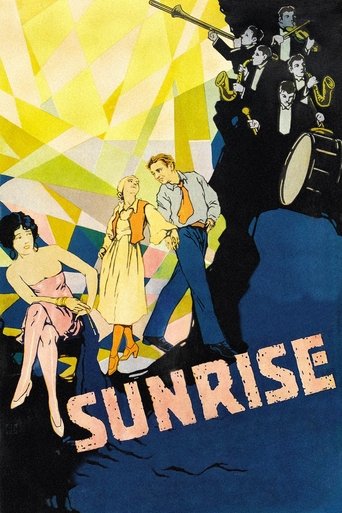
More Drama films
View all →







More from Walter Lang
View all →
More about this film
About the production
Release dateSeptember 21, 1925
Box officeUnknown
ProductionCecil B. DeMille Productions, Producers Distributing Corporation
Filmed inLos Angeles, California, San Francisco, California
The Red Kimona was based on a real-life court case covered by reporter Adela Rogers St. Johns. The film was produced by Cecil B. DeMille's company but directed by Walter Lang early in his career. The production faced censorship challenges due to its controversial subject matter of prostitution, requiring careful handling to satisfy the moral codes of the time while still delivering a powerful social message.
Themes
Prostitution and survivalSocial hypocrisyRedemption and forgivenessUrban corruptionFemale vulnerability
Themes & topics
prostitutionabandoned womansocial problemredemptioncourtroom dramaurban lifemoral dilemmafallen womansocial reformpregnancy out of wedlock
Historical background
The Red Kimona appeared in 1925, when the late silent period and the transition to sound shaped how movies were financed, distributed, and discussed. Audiences of the day encountered the work amid shifting tastes in acting, pacing, and spectacle. Its focus on a woman is abandoned by her lover and prostitution is the only way she has to survive mirrors themes circulating in popular culture of that moment.
Why this film matters
The Red Kimona (1925) belongs to the wider archive of world cinema, documenting a woman is abandoned by her lover and. Archivists and historians value such titles for what they reveal about craft, genre, and audience expectations. Restorations and festival screenings keep the work visible to viewers far beyond its first run.
Making of
The production of The Red Kimona was groundbreaking in its approach to social issues. Cecil B. DeMille, known for his epic spectacles, took a chance on this intimate drama about a controversial subject. Walter Lang, then a young director, was given creative freedom to explore the sensitive material. The filming required careful negotiation with censors, leading to a production that was both provocative and moralistic. The cast, particularly Priscilla Bonner, underwent extensive preparation to portray the psychological journey of a woman forced into prostitution. The red kimono itself was carefully chosen as a visual symbol, with its vibrant color standing out dramatically in the black and white film.
What critics said
Press coverage from 1925 is fragmentary for many titles of this vintage; surviving notices for The Red Kimona tend to stress novelty, star power, or topical appeal. Later writing places the picture within its national and generic context, weighing both period conventions and moments that still land for modern viewers. Streaming and disc releases have revived discussion among classic-film audiences.
Did you know?
- The film was based on the real-life case of Gabrielle Darley, whose story was documented in newspaper accounts
- Priscilla Bonner was personally selected for the lead role by Cecil B. DeMille
- The red kimono in the title became a symbolic representation of fallen women in subsequent films
- This was one of the first Hollywood films to deal directly with the subject of prostitution
- The film was considered quite daring for its time and faced censorship in several markets
- Director Walter Lang was only 26 years old when he directed this film
- The original story was written by reporter Adela Rogers St. Johns, who covered the real court case
- The film's success led to a wave of 'social problem' films in the late 1920s
- Nellie Bly Baker, who plays a supporting role, was a former Ziegfeld Follies girl
- The film was re-released in 1928 with synchronized sound effects and music
Awards & recognition
- None documented
Visual style
The cinematography by James Wong Howe employed innovative techniques for the era, including dramatic lighting to contrast the innocence of the protagonist with the darkness of her circumstances. The visual use of shadows and light emphasized the moral ambiguity of the story. The red kimono, despite being filmed in black and white, was made to stand out through lighting techniques and contrast. Urban scenes captured the gritty reality of 1920s San Francisco, while intimate close-ups conveyed the emotional turmoil of the characters. Howe's work demonstrated the artistic possibilities of visual storytelling in silent cinema.
Innovations
The Red Kimona utilized several technical innovations for its time. The film employed location shooting in San Francisco, which was still relatively uncommon for Hollywood productions. The use of natural lighting in outdoor scenes created a more realistic atmosphere than typical studio-bound productions. The film's editing techniques, particularly in the montage sequences showing the protagonist's descent into prostitution, were considered advanced for the period. The 1928 re-release version was among the early films to experiment with synchronized sound, demonstrating the industry's transition to talkies.
Music
As a silent film, The Red Kimona was originally accompanied by live musical performances in theaters. The score typically included popular songs of the era and classical pieces chosen to enhance the emotional impact of each scene. When the film was re-released in 1928, it featured a synchronized musical score with sound effects, one of the early experiments in transitioning to sound. The original cue sheets suggested specific musical pieces for different scenes, including dramatic classical pieces for tense moments and sentimental melodies for emotional scenes.
Famous quotes
When a woman has nothing left but her body, is it so wrong to use it to survive?
The red kimono is not a choice, but a consequence of circumstances beyond my control.
In this city of lights and shadows, innocence is the first casualty.
Society condemns the sinner but creates the circumstances that make sin inevitable.
Memorable scenes
- The powerful courtroom scene where Gabrielle tells her story and exposes the social hypocrisies that led to her downfall
- The moment Gabrielle first puts on the red kimono, symbolizing her entry into prostitution
- The emotional reunion scene where Gabrielle is offered a chance at redemption
- The opening sequence showing her seduction and abandonment by her false lover
- The final scene where she walks away from her past, free from the red kimono
What audiences thought
The Red Kimona was a commercial success upon its release, drawing audiences curious about its controversial subject matter. Many viewers were moved by Priscilla Bonner's performance and the film's sympathetic approach to its protagonist. The film sparked discussions about social reform and the treatment of women in society. Despite its serious themes, audiences responded positively to the film's ultimately redemptive message. The film's success proved that audiences were ready for more mature and socially relevant content in mainstream cinema.
Film connections
Influenced by
- Real-life court cases covered by Adela Rogers St. Johns
- Social reform movements of the 1920s
- Victorian melodrama traditions
- German Expressionist cinema's use of light and shadow
This film influenced
- Baby Face (1933)
- Waterloo Bridge (1931)
- Sadie Thompson (1928)
- The Story of Temple Drake (1933)
- Anna Christie (1930)
Film restoration
The Red Kimona survives in complete form and has been preserved by film archives. A 35mm print exists at the Library of Congress, and the film has been made available through various film preservation organizations. The 1928 sound version is considered lost, but the original silent version remains accessible. The film has undergone restoration work to preserve its visual quality for modern audiences. Digital copies are available through specialized film archives and some streaming services dedicated to classic cinema.
Where to watch
- Library of Congress online collection
- Kino Lorber DVD releases
- Classic film streaming services
- Film archive screenings
- University film collections
- Museum of Modern Art film screenings