
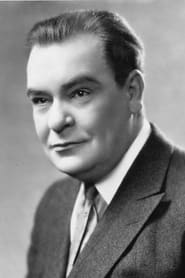
George Siegmann
Actor
Born: February 8, 1882 in New York City, New York, USA Died: June 22, 1928 Active: 1909-1927
Films
12 films
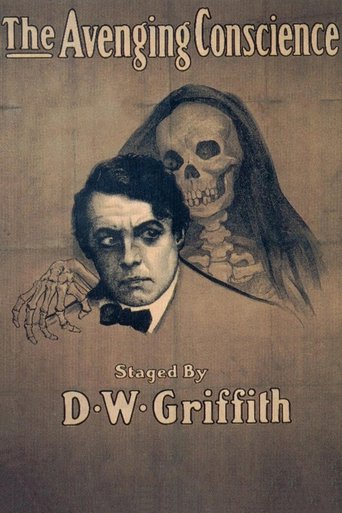


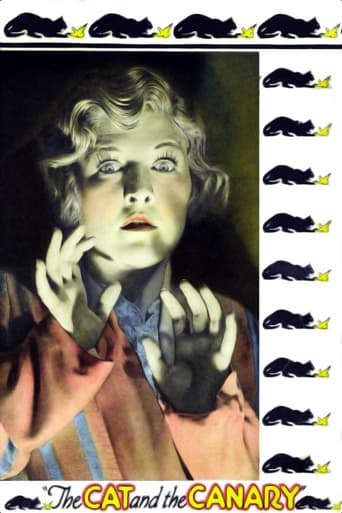
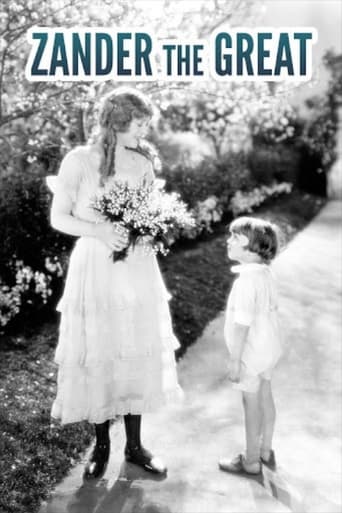
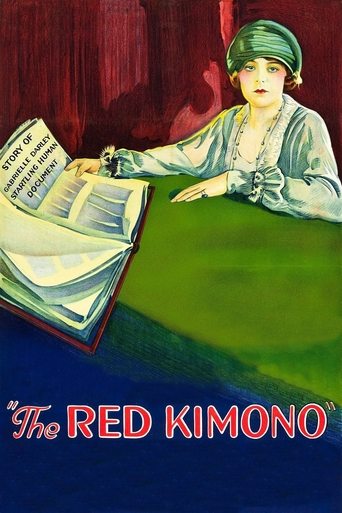
About George Siegmann
prominent American actor during the silent film era — known for his imposing presence and frequent portrayal of villainous characters. Born in New York City in 1882, he began his career in theater before transitioning to the burgeoning film industry in 1909. Siegmann's breakthrough came when he joined D.W. Griffith's stock company at Biograph Studios, where he became one of the director's most reliable character actors. He gained lasting notoriety for his role as the mixed-race villain Silas Lynch in Griffith's controversial epic 'The Birth of a Nation' (1915), a performance that exemplified both his talent and the problematic racial stereotypes of the era. Throughout his career, which spanned nearly two decades, he appeared in over 100 films, working with directors like Griffith and Cecil B. DeMille. In addition to acting, Siegmann occasionally directed films, though he found greater success as a performer. His career was cut short by health issues, and he died in 1928 at the age of 46, just as the transition to sound films was beginning.
The Craft
On Screen
Siegmann specialized in portraying villainous and authoritative characters with a commanding physical presence. His acting style was typical of the melodramatic approach of the silent era, featuring exaggerated gestures and intense facial expressions that could convey emotion without dialogue. He had a particular talent for playing brutish, menacing characters, often cast as villains or antagonists due to his imposing stature and stern features. Siegmann's performances were characterized by a theatrical intensity that translated well to the screen, allowing him to create memorable antagonists in numerous silent films.
Milestones
- Joined D.W. Griffith's acting company at Biograph Studios
- Portrayed Silas Lynch in 'The Birth of a Nation' (1915)
- Appeared in Griffith's 'Intolerance' (1916)
- Played Bill Sikes in 'Oliver Twist' (1922)
- Transitioned from stage actor to successful film actor
- Directed several short films in the 1910s
Best Known For
Iconic Roles
Must-See Films
Working Relationships
Worked Often With
Studios
Why They Matter
Impact on Culture
George Siegmann's most significant cultural impact came through his controversial role as Silas Lynch in D.W. Griffith's 'The Birth of a Nation,' a film that both revolutionized cinematic techniques and promoted damaging racial stereotypes. His portrayal of the film's primary antagonist, while technically accomplished within the acting conventions of the time, contributed to the film's problematic legacy regarding racial representation. As a prominent character actor during the silent era's formative years, Siegmann participated in the development of film acting techniques, helping establish the visual language of cinema performance. His work with Griffith placed him at the forefront of early American cinema's artistic evolution, contributing to films that pushed the boundaries of what movies could achieve as an art form.
Lasting Legacy
George Siegmann is remembered as one of the silent era's most reliable character actors, particularly skilled at playing villains and authority figures. His filmography provides a valuable record of early American cinema's development, featuring collaborations with directors and appearances in landmark films. While his role in 'The Birth of a Nation' remains controversial, it represents an important, if troubling, chapter in film history. Siegmann's career exemplifies the journey of many stage actors who successfully transitioned to the new medium of film during cinema's formative years. His performances continue to be studied by film historians and scholars interested in the evolution of screen acting and the cultural context of early 20th-century American cinema.
Who They Inspired
Siegmann influenced the development of character acting in silent films, particularly in establishing archetypes for cinematic villains. His work with D.W. Griffith contributed to the visual grammar of film performance that would influence subsequent generations of actors. While not as widely remembered as some of his contemporaries, his technique for conveying menace and authority through physical presence and expression became part of the standard toolkit for film actors playing similar roles. His performances in Griffith's epics helped establish the template for large-scale historical and dramatic films that would follow.
Off Screen
George Siegmann married fellow actress Mabel Van Buren in 1914, and the couple remained together until his death. He suffered from health problems in his later years, including diabetes, which contributed to his declining health and early death. Despite his on-screen persona as a villain, contemporaries described him as a gentle and kind person off-camera. His death in 1928 came just as the film industry was transitioning to sound, cutting short what might have been a continued career in the new medium.
Family
- Mabel Van Buren (1914-1928)
Did You Know?
- He was of German-American heritage
- His role as Silas Lynch in 'The Birth of a Nation' required him to appear in blackface, a common but now controversial practice of the era
- He began his career on the Broadway stage before moving to films
- Siegmann appeared in over 100 films during his career
- He directed at least 5 short films between 1914-1915
- His death at age 46 was attributed to complications from diabetes
- He was a member of D.W. Griffith's regular stock company of actors
- Despite often playing villains, he was described as mild-mannered and kind in real life
- His final film appearance was in 'The Taxi Dancer' (1927)
- He worked with both Mary Pickford and Douglas Fairbanks during his career
Frequently Asked Questions
Who was George Siegmann?
American with credits in this catalog.W. Griffith films, most notably as Silas Lynch in 'The Birth of a Nation' (1915). He appeared in over 100 films and was.
What films is George Siegmann best known for?
Titles linked here include The Birth of a Nation (1915), Intolerance (1916).
When was George Siegmann born and when did he die?
Born February 8, 1882; died June 22, 1928.
What awards did George Siegmann win?
George Siegmann did not receive any major formal awards during his career, as the Academy Awards were not established until 1929, after his death. His recognition came primarily through his consistent work and collaborations with prominent directors like D.W. Griffith.
What was George Siegmann's acting style?
Siegmann specialized in melodramatic performances typical of the silent era, using exaggerated gestures and intense facial expressions to convey emotion. He was particularly effective at playing villains and authority figures, using his imposing physical presence to create menacing characters.
Did George Siegmann direct films?
Yes, in addition to acting, Siegmann directed several short films between 1914-1915, though he found greater success and recognition as an actor. His directorial work was less extensive than his acting career.
What was George Siegmann's relationship with D.W. Griffith?
Siegmann — member of D.W. Griffith's stock company at Biograph Studios and appeared in many of Griffith's most important films. Griffith frequently cast him in villainous roles, recognizing his talent for playing antagonists in large-scale dramatic productions.