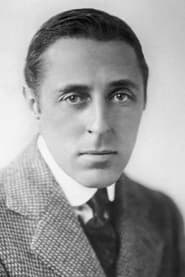
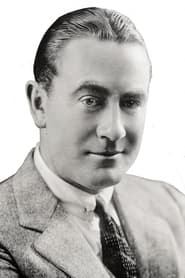
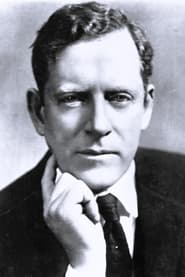
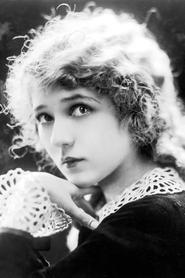
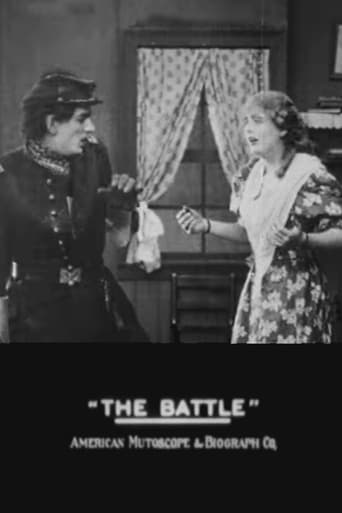
1776, or The Hessian Renegades
"Griffith stages a Revolutionary War message under fire."
Keys: Space play/pause · ←/→ 10s · F fullscreen · M mute · </> speed
About this film
During the American Revolution, a young soldier carrying a crucial message to General Washington is spotted and pursued by a group of enemy soldiers. He takes refuge with a civilian family, but is soon detected. The family and their neighbors must then make plans to see that the.
Cast & crew
More films like this

More History films
View all →


More from D.W. Griffith
View all →
More about this film
About the production
Release dateNovember 18, 1909
ProductionAmerican Biograph Company
Filmed inNew York, New Jersey
the production was shot quickly in one or two days, typical of Biograph's rapid production schedule under D.W. Griffith's direction. The film was made during Griffith's incredibly productive period at Biograph where he directed hundreds of short films, developing techniques that would revolutionize cinema. The historical costumes and sets were relatively simple but effective for the period, with the film relying more on dramatic storytelling than elaborate production values. Billy Bitzer, Griffith's regular cinematographer, likely shot the film using natural light, as artificial lighting was still primitive and expensive in 1909.
Themes
Patriotism and loyalty to the American causeThe importance of community cooperation in times of crisisSacrifice for the greater goodThe tension between individual safety and collective responsibilityAmerican identity and revolutionary ideals
Themes & topics
American RevolutionEspionageChaseHidden messageHessian soldiersGeneral WashingtonPatriotismCivilian courageWartime urgencyCommunity solidarity
Historical background
1776, or The Hessian Renegades (1909) reached screens through American Biograph Company. Exhibitors of the time built nickelodeon-era programs that mixed shorts, features, and live acts, so a clear premise helped 1776, or The Hessian Renegades travel between cities and exchange markets.
Why this film matters
Archivists and revival programmers still cite 1776, or The Hessian Renegades (1909) when tracing studio habits, casting pools, and the visual rhetoric audiences once took for granted. Even modest surviving prints help map how 1776, or The Hessian Renegades fit beside competing releases of its day.
Making of
D.W. Griffith joined American Biograph in 1908 and quickly became their most prolific and innovative director. '1776, or The Hessian Renegades' was part of his early period where he was developing the cinematic techniques that would later make him famous. The film was shot in just a day or two, which was standard for Biograph's rapid production schedule. Griffith was already experimenting with cross-cutting and parallel editing to build suspense, techniques that were revolutionary for the time. Mary Pickford, who was still establishing herself as a reliable character actress, appears in what would have been a supporting role. The film's historical subject matter was typical of Griffith's early interests, as he often drew from American history and literature for his stories. The cast and crew would have worked long hours under primitive conditions, with the camera hand-cranked and lighting dependent on natural light or early artificial sources.
What critics said
Trade coverage around 1909 discussed 1776, or The Hessian Renegades for pacing, clarity, and program fit rather than blockbuster grosses. Later writers value it as evidence of period style and as a reference point beside other films from the same era.
Did you know?
- the production was made when D.W. Griffith was still early in his directorial career at Biograph, before he revolutionized filmmaking with works like 'The Birth of a Nation' (1915)
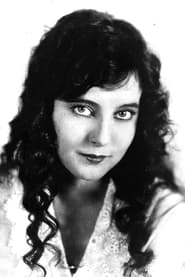
- Mary Pickford, who appears in the production, was just 17 years old and would later become especially powerful figures in early Hollywood, co-founding United Artists
- The film's title refers to Hessian soldiers, German mercenaries hired by the British to fight against the American revolutionaries, a historical detail that would have been familiar to 1909 audiences
- At only 11 minutes long, this was considered a substantial feature in 1909, when most films were much shorter
- The film was likely shot in Biograph's studio in Fort Lee, New Jersey, or on location in New York, as the company hadn't yet moved to California
- Like many Biograph films of this era, it was shot in a unique 68mm format that Biograph used exclusively before switching to standard 35mm
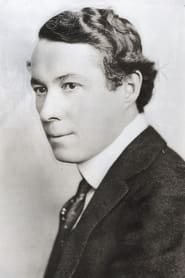
- Owen Moore, one of the film's stars, was married to Mary Pickford during this period, though their marriage would end in divorce
- the production demonstrates Griffith's early interest in American history, which would become more prominent in his later work
- The preservation status of the production is uncertain, as many Biograph films from this period were lost due to nitrate film deterioration
- The film was part of Griffith's massive output at Biograph, where he made over 450 short films between 1908 and 1913
Visual style
The cinematography in this 1909 film, likely handled by Billy Bitzer, was relatively simple by modern standards but innovative for its time. The camera would have been stationary for most shots, as camera movement was extremely limited in this period. The film was shot on 35mm film in Biograph's unique 68mm format, which created a higher quality image than standard 35mm but required special projectors. The composition would have been theatrical in style, with actors arranged to tell the story clearly within the frame. Griffith was already experimenting with different camera angles and shot sizes, which was innovative for the time. Natural lighting would have been used whenever possible, with early artificial lighting employed when necessary. The cinematography prioritized clarity and narrative function over artistic flourishes, as was typical of films from this period.
Innovations
While not technically groundbreaking compared to some of Griffith's other work from this period, the film demonstrates his early mastery of narrative pacing and suspense building. The use of cross-cutting between the pursuing Hessians and the hiding soldier would have been an advanced technique for 1909. The film also shows Griffith's developing ability to tell a complete story with emotional impact in a very short runtime. The preservation of continuity across multiple scenes was still a relatively new achievement in cinema, and the production would have demonstrated Biograph's growing sophistication in this area. The film's historical setting and costumes also show the increasing production values that Biograph was bringing to their films during this period. The editing techniques used to build tension during the chase sequences were particularly innovative for the time and would influence countless later films.
Music
As a silent film, '1776, or The Hessian Renegades' would have been accompanied by live music during exhibition. This could have ranged from a single piano player in smaller theaters to a small orchestra in larger venues. The music would have been selected to match the mood of each scene, with patriotic tunes like 'Yankee Doodle' for the American characters and more ominous music for the Hessian antagonists. Specific musical scores were rarely composed for individual films at this time; instead, musicians would use pre-existing classical pieces or popular songs that fit the mood of the film. The Biograph Company might have provided suggested musical cues for their films to ensure consistency across different exhibition venues. The musical accompaniment would have been crucial in creating emotional impact and helping to tell the story in the absence of dialogue.
Famous quotes
As a silent film from 1909, there are no recorded spoken quotes. Any dialogue would have appeared in intertitles, but these specific texts are not preserved in available documentation.
Memorable scenes
- The initial chase sequence where the soldier is first spotted by the Hessians, demonstrating Griffith's early use of cross-cutting to build suspense
- The tense moment when the family hides the soldier from their searching enemies, showcasing the film's patriotic themes
- The community gathering to plan how to deliver the message, highlighting themes of collective action and sacrifice
- The final sequence showing the message successfully reaching General Washington, providing the patriotic resolution that audiences expected
What audiences thought
In 1909, audiences were still being introduced to the possibilities of narrative cinema. A film like '1776, or The Hessian Renegades' would have been exciting to viewers of the time, with its suspenseful chase sequences and patriotic themes. The short runtime was standard for the era, and audiences would have watched it as part of a program of several short films. The presence of recognizable actors like Owen Moore and Mary Pickford would have been an additional draw for regular moviegoers. The film's straightforward patriotic narrative would have appealed to American audiences of the Progressive Era, who were increasingly interested in stories about American history and values. The film's success would have been measured by its ability to draw audiences to theaters and its effectiveness in keeping them engaged throughout its brief running time.
Film connections
Influenced by
- Popular stage melodramas of the period
- Historical novels about the American Revolution
- Earlier Biograph productions
- D.W. Griffith's growing understanding of cinematic storytelling
- Contemporary patriotic literature and plays
This film influenced
- Later American war films
- Chase sequences in cinema
- Historical dramas in American film
- Griffith's later historical epics like 'America' (1924)
- Patriotic films made during World War I
Film restoration
The preservation status of this specific film is unclear, as many Biograph films from this period have been lost due to the deterioration of nitrate film stock. The Library of Congress has preserved a collection of Biograph films from this era, but it's uncertain if this particular title survives. Some Griffith Biograph shorts from 1909 do exist in archives, though often in incomplete form or only as paper print records (the Library of Congress's method of copyright registration for early films). The film may exist in film archives specializing in early cinema or in private collections, but it is not widely available to the public.
Where to watch
- If the film survives, it might be available through the Library of Congress's motion picture collection
- Film archives specializing in early cinema such as the Museum of Modern Art's film department
- Specialized DVD collections of D.W. Griffith's early work
- Museum exhibitions of early American cinema
- Academic film studies collections at universities with film preservation programs