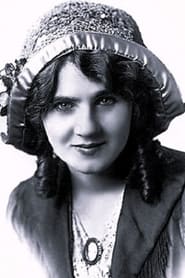
Florence Lawrence
Actor
Born: January 2, 1886 in Hamilton, Ontario, Canada Died: December 28, 1938 Active: 1906-1937 Birth Name: Florence Annie Bridgwood
Films
35 films
The Taming of the Shrew
1908
Her First Biscuits
1909
Money Mad
1908
The Politician's Love Story
1909
An Awful Moment
1908
The Country Doctor
1909
The Peachbasket Hat
1909
The Slave
1909
The Curtain Pole
1909
Romance of a Jewess
1908
1776, or The Hessian Renegades
1909
The Zulu's Heart
1908
Father Gets in the Game
1908
The Lure of the Gown
1909
The Call of the Wild
1908
Betrayed by a Handprint
1908
Mr. Jones at the Ball
1908
A Drunkard's Reformation
1909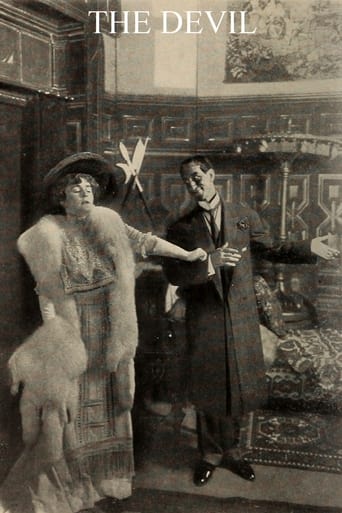
The Devil
1908
The Song of the Shirt
1908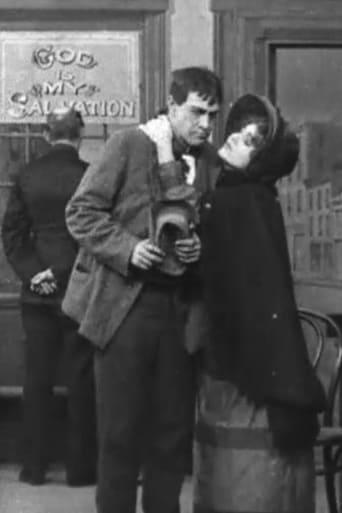
The Salvation Army Lass
1909
Lucky Jim
1909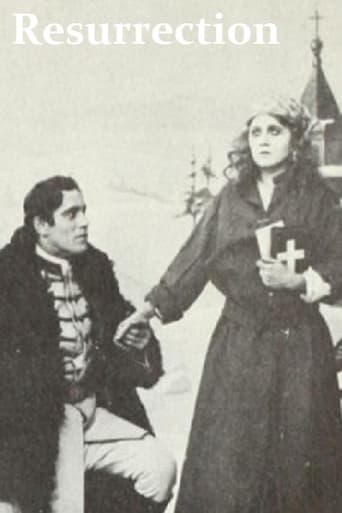
Resurrection
1909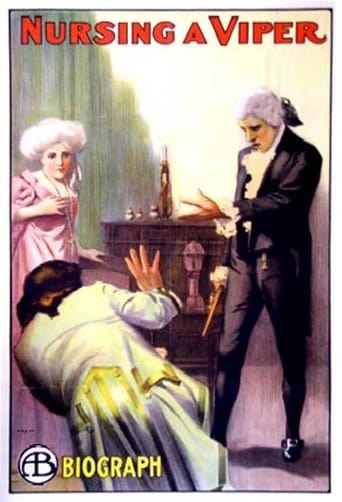
Nursing a Viper
1909
What Drink Did
1909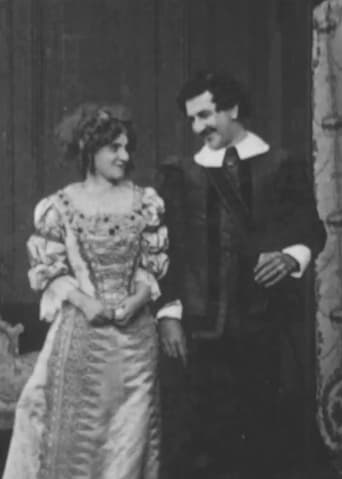
The Cardinal's Conspiracy
1909
Two Memories
1909
Mr. Jones Has a Card Party
1909
Eradicating Aunty
1909
Sweet and Twenty
1909
The Joneses Have Amateur Theatricals
1909
The Way of Man
1909 Confidence
1909
The Girls and Daddy
1909About Florence Lawrence
Florence Lawrence was born Florence Annie Bridgwood in Hamilton, Ontario, Canada, and began her career as a child performer on stage before transitioning to films in 1906 with the American Mutoscope and Biograph Company. She quickly became popular actresses of the silent era, starring in hundreds of short films for Biograph, where she was known simply as 'The Biograph Girl' since actors were not credited by name. In 1910, Lawrence made history when Carl Laemmle lured her away from Biograph to his Independent Moving Pictures Company, creating the first movie star system by publicly revealing her identity and promoting her name. This revolutionary approach to film marketing transformed the industry and established the template for Hollywood celebrity culture. Lawrence continued her successful career through the 1910s and 1920s, appearing in numerous films and even founding her own production company, Victor Film Company, with her husband Harry Solter. Despite her success, Lawrence's career declined with the advent of sound films, and she struggled with health issues and financial difficulties in her later years. She died by suicide on December 28, 1938, but her legacy as 'The First Movie Star' remains a fundamental part of cinema history.
The Craft
On Screen
Lawrence was known for her naturalistic acting style in an era of theatrical performances, using subtle facial expressions and gestures to convey emotion effectively on screen. She had a particular talent for melodramatic roles and could portray a wide range of emotions from comedy to tragedy. Her technique involved direct address to the camera and intimate performances that connected with audiences in a new way for the time, helping establish screen acting as a distinct art form separate from theatrical performance.
Milestones
- First publicly named movie star (1910)
- Starred in hundreds of Biograph films (1906-1909)
- Pioneered the star system in Hollywood
- Successfully transitioned from stage to film
- Founded her own production company (1915)
- Invented early automobile turn signal and brake signal
Best Known For
Iconic Roles
Must-See Films
Accolades
Won
- Star on the Hollywood Walk of Fame (1960, posthumous)
Special Recognition
- Pioneer of the film industry
- Recognized as 'The First Movie Star'
- Inducted into Canadian Walk of Fame (posthumous)
Working Relationships
Worked Often With
Studios
Why They Matter
Impact on Culture
Florence Lawrence revolutionized the film industry by becoming the first publicly named movie star, fundamentally changing how audiences related to performers and how studios marketed their products. Before Lawrence, actors were anonymous and uncredited, but her popularity demonstrated the commercial value of star power, leading to the development of the entire Hollywood star system. Her transition from anonymous Biograph player to named star at Independent Moving Pictures marked a pivotal moment in cinema history, establishing the template for celebrity culture that would define Hollywood for decades. Lawrence's success proved that audiences would follow favorite actors from film to film, creating audience loyalty and repeat business that became essential to the industry's economic model.
Lasting Legacy
Florence Lawrence's legacy as 'The First Movie Star' remains her most enduring contribution to cinema history. She pioneered the star system that would become the foundation of Hollywood's marketing and economic structure, influencing how films were promoted and consumed for generations. Her naturalistic acting style helped establish screen acting as a distinct art form separate from theatrical performance. Though many of her films are now lost, historians recognize Lawrence as a crucial figure in the development of cinema as both art and industry. Her story also highlights the precarious nature of early stardom, serving as a cautionary tale about the fleeting nature of fame in the entertainment industry.
Who They Inspired
Lawrence influenced countless performers who followed, particularly women in early cinema like Mary Pickford, who built upon the star system Lawrence helped create. Her natural acting style influenced the transition from theatrical to cinematic performance techniques. The business model she helped establish—where stars could command higher salaries and creative control—paved the way for later stars to form their own production companies and exercise more power in the industry. Her example demonstrated that film actors could achieve the same cultural status as stage performers, legitimizing cinema as a respectable medium for serious artists.
Off Screen
Florence Lawrence was married three times and had one daughter who also became an actress. She experienced significant personal challenges including a serious automobile accident in 1915 that required reconstructive surgery and left her with chronic pain. Lawrence was known for her business acumen and mechanical aptitude, inventing an automobile turn signal and brake signal, though she never patented these inventions. She suffered from depression and financial difficulties in her later years as her career declined with the transition to sound films, ultimately leading to her tragic death by suicide at age 52.
Education
Limited formal education, trained in acting from childhood through stage experience with her mother who was also an actress
Family
- Harry Solter (1908-1920, his death)
- Charles Woodring (1921-1932, divorced)
- Henry Bolton (1933-1934, divorced)
Did You Know?
- She was nicknamed 'The Biograph Girl' before her name was revealed to the public
- She appeared in approximately 300 films during her career
- Her real name was Florence Annie Bridgwood
- She invented an early version of the automobile turn signal
- She was the first actor to receive a film credit
- Her mother was also an actress named Lotta Lawrence
- She made more money than the U.S. President during her peak years
- She performed her own stunts in many of her action films
- She founded her own production company, Victor Film Company
- Her star on the Hollywood Walk of Fame is located at 6524 Hollywood Blvd
- She was one of the first actors to use makeup specifically designed for film
- Her death certificate listed her occupation as 'housewife' despite her film legacy
- Carl Laemmle staged a fake death rumor about her to generate publicity in 1910
In Their Own Words
I was the first motion picture star. I was the first to be advertised. I was the first to be followed by the press.
The public wants to know who we are. They want to know our names and everything about us. That's what makes us stars.
I never thought I would live to see the day when my name would be a household word.
In those days we didn't have names. We were just 'the Biograph Girl' or 'the Vitagraph Girl.'
The camera is a strange thing. It sees everything, even what you try to hide.
Frequently Asked Questions
Who was Florence Lawrence?
Canadian-American actress known as 'The First Movie Star' or 'The Biograph Girl' who pioneered the star system in Hollywood. She was the first film actor to be publicly named and promoted by a studio, fundamentally changing how audiences related to performers and how films were marketed.
What films is Florence Lawrence best known for?
Titles linked here include The Taming of the Shrew (1908), Money Mad (1908).
When was Florence Lawrence born and when did she die?
Born January 2, 1886; died December 28, 1938.
What awards did Florence Lawrence win?
During her lifetime, Lawrence received no formal awards, as the film industry's award systems had not yet been established. Posthumously, she received a star on the Hollywood Walk of Fame in 1960 and has been recognized as a pioneer of cinema, with induction into the Canadian Walk of Fame.
What was Florence Lawrence's acting style?
Lawrence was known for her naturalistic acting style in an era of theatrical performances, using subtle facial expressions and gestures to convey emotion effectively on screen. She had a particular talent for melodramatic roles and could portray a wide range of emotions from comedy to tragedy, connecting with audiences in a new and intimate way for the time.
Why is Florence Lawrence important to film history?
Lawrence is crucial to film history as the first publicly named movie star, establishing the star system that would define Hollywood's economic and marketing structure for decades. Her transition from anonymous player to named star in 1910 marked a pivotal moment that demonstrated the commercial value of celebrity and fundamentally changed how films were produced, promoted, and consumed.
Did Florence Lawrence invent anything?
Yes, Lawrence — inventor who created an early version of the automobile turn signal and brake signal. She designed these devices after experiencing a near-accident and installed them on her car, though she never patented her inventions. This innovation demonstrated her practical ingenuity beyond her acting career.