Those Awful Hats
"Remove your hat — or the claw will"
Keys: Space play/pause · ←/→ 10s · F fullscreen · M mute · </> speed
About this film
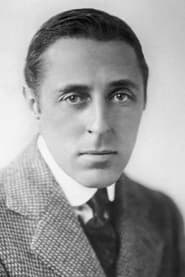
Inside a nickelodeon, a parade of women wearing ever-larger hats blocks the screen until an enormous mechanical claw descends from the ceiling to snatch the offenders away. D.W. Griffith shot the gag as a theater etiquette trailer for Biograph exhibitors, combining live-action audience footage with a matte composite of the claw effect.
Cast & crew
More films like this
More Comedy films
View all →







More from D.W. Griffith
View all →

More about this film
About the production
Release dateFebruary 11, 1909
ProductionAmerican Mutoscope and Biograph Company
Filmed inNew York City, New York
Filmed on a single set designed to replicate a movie theater of the era. The production utilized Biograph's standard 35mm film format but used their unique 68mm frame size for higher image quality. The film was shot in just one day, typical of Biograph's rapid production schedule during this period. The cinema setting was particularly meta for 1909, as it showed audiences watching films in an era when movie theaters were still a relatively new entertainment venue.
Themes
Cinema etiquetteFashion vs. practicalitySocial courtesyPublic space conflictsComedy of manners
Themes & topics
Historical background
Released January 25, 1909, Those Awful Hats was marketed to exhibitors as a split-reel opener rather than a narrative short, reflecting Biograph's effort to solve a real complaint in early movie houses.
Why this film matters
Griffith's rare Méliès-style trick shot here doubles as a proto-trailer; historians cite it when discussing how silent-era theaters policed audience behavior before feature programs.
Making of
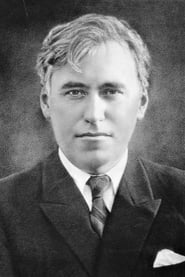
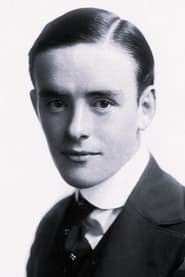
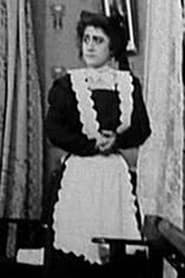
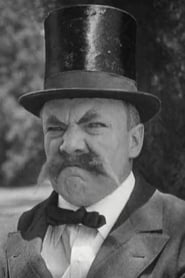
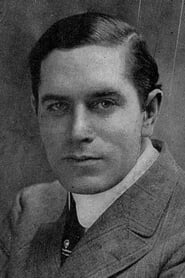
The production took place during D.W. Griffith's early period at Biograph, where he was rapidly developing his directorial skills and establishing many cinematic techniques that would become standard. The film was created in response to a genuine social issue of the time - the problem of large hats blocking views in theaters and other public venues. The set design was minimal but effective, creating the illusion of a crowded theater with careful positioning of extras. Griffith's direction already showed his understanding of visual comedy and timing, despite the film's brief length. The cast, particularly Mack Sennett, would go on to revolutionize film comedy, making this an early glimpse of future comedy legends. The film was shot quickly using natural light from the studio's glass ceiling, a common practice before sophisticated lighting equipment became standard.
What critics said
Trade press in 1909 praised the novelty of addressing hat obstruction on screen; later writers treat it as a charming footnote in Griffith and Bitzer's technical experiments.
Did you know?
- This was one of the first films to depict the experience of going to a movie theater, making it a rare early example of meta-cinema.
- The film was released during a period when large, elaborate hats were at the height of women's fashion, making the subject matter immediately relatable to contemporary audiences.
- Mack Sennett, who appears in the film, would later become famous as the 'King of Comedy' and founder of Keystone Studios.
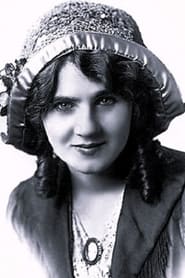
- Florence Lawrence, often called 'The First Movie Star,' appears in the production before her stardom was officially recognized by the public.
- The film was shot in Biograph's studio in New York City, not in an actual theater, with the cinema set built specifically for this production.
- At just one minute long, it was typical of the very short films produced during this early period of cinema.
- This was one of over 40 short films D.W. Griffith directed in 1909 alone, demonstrating his incredible productivity during his Biograph years.
- The film's theme of cinema etiquette was particularly relevant as movie theaters were establishing social norms for this new form of entertainment.
- The Biograph Company did not release actors' names in credits during this period, so audiences would not have known who appeared in the film.
- The film was part of Biograph's regular release schedule of two films per week, a pace that would be unimaginable in later cinema.
Visual style
The cinematography by G.W. Bitzer, Griffith's regular cameraman at Biograph, employs a static camera position typical of the era, but with careful composition to maximize the comedic effect. The single set is framed to clearly show the spatial relationships between characters and the obstruction caused by the hats. Bitzer uses the available natural light from Biograph's glass-roofed studio effectively, creating clear visibility despite the technical limitations of the time. The camera placement allows viewers to see both the reactions of the obstructed audience members and the obliviousness of the hat-wearers simultaneously. The cinematography demonstrates the early mastery of visual storytelling that would characterize Bitzer's long collaboration with Griffith.
Innovations
While not technically groundbreaking, the film demonstrates Biograph's high production standards for the period. The use of Biograph's unique 68mm film format (though printed on standard 35mm for release) provided superior image quality compared to many competitors. The film features Griffith's emerging understanding of editing rhythm and visual comedy timing. The set design effectively creates the illusion of a crowded theater within the constraints of a single studio set. The film's clear narrative structure, despite its brief duration, represents an advancement in cinematic storytelling techniques that were still developing in 1909.
Music
As a silent film, 'Those Awful Hats' would have been accompanied by live music during its original exhibition. The typical accompaniment would have been provided by a pianist in smaller nickelodeons or a small orchestra in larger theaters. The music would likely have been light and comedic, possibly incorporating popular songs of 1909. The score would have emphasized the comic timing of the action, particularly during the moments of frustration and the final resolution. No specific musical score was composed for the film, as was standard practice during this period when accompanists would select appropriate pieces from their repertoire.
Famous quotes
As a silent film, there are no spoken quotes, but the intertitles (if any) would have been minimal and functional rather than memorable.
Memorable scenes
- The climactic moment when the frustrated male audience member finally takes action against the obstructive hats, creating a comedic resolution that would have delighted 1909 audiences.
What audiences thought
The film was well-received by nickelodeon audiences of 1909, who found the situation immediately recognizable and humorous. The relatable premise of blocked views in public spaces resonated strongly with viewers who had likely experienced similar frustrations. Contemporary audience members would have appreciated both the comedy and the social commentary on theater etiquette. The film's brevity made it perfect for the varied programming of nickelodeons, which typically showed multiple short films in one session. Modern audiences viewing the film in retrospectives and archives often find it charming both for its humor and its value as a time capsule of Edwardian social customs.
Film connections
Influenced by
- Stage comedy traditions
- Vaudeville humor
- Social comedy of manners
- Newspaper cartoons about theater etiquette
This film influenced
- Later comedy films about theater experiences
- Meta-cinema works depicting movie-going
- Social comedies about public space conflicts
Film restoration
The film is preserved in the Library of Congress collection and has been restored by various film archives. It survives in good condition considering its age and is available through several archival sources. The film is part of the Paper Print Collection at the Library of Congress, which has helped ensure its survival. Digital restorations have made it accessible for modern viewing while preserving the original film's historical integrity.
Where to watch
- Library of Congress National Screening Room
- Various streaming platforms specializing in classic cinema
- Film archive websites
- DVD collections of D.W. Griffith's early works
- Museum film programs featuring early cinema