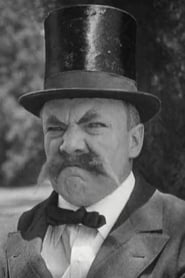
Charles Inslee
Actor
Born: July 31, 1870 in New York City, New York, USA Died: July 31, 1922 Active: 1908-1921 Birth Name: Charles E. Inslee
Films
26 films

Making a Living
1914
The Taming of the Shrew
1908
At the Altar
1909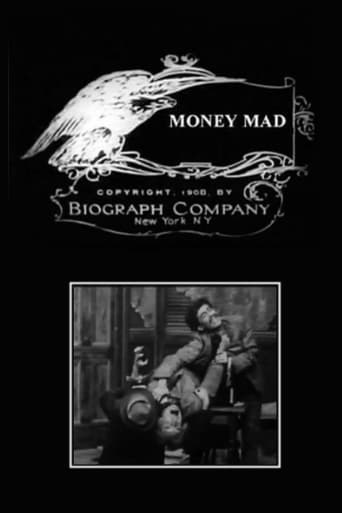
Money Mad
1908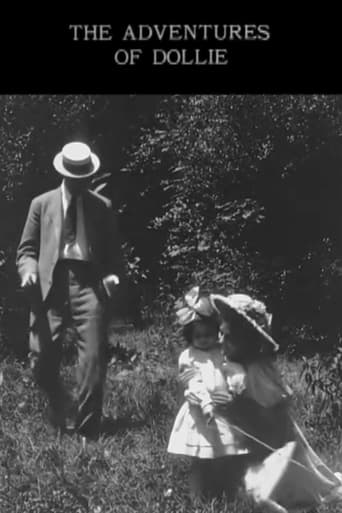
The Adventures of Dollie
1908
The Bank
1915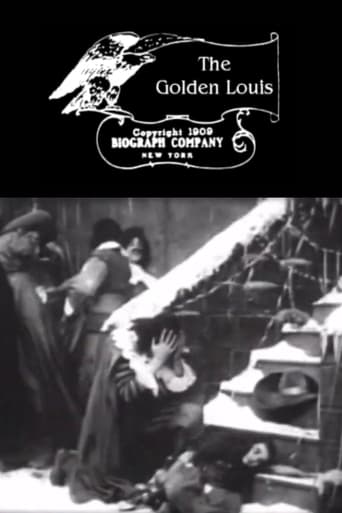
The Golden Louis
1909
Work
1915
A Woman
1915
The Zulu's Heart
1908
Father Gets in the Game
1908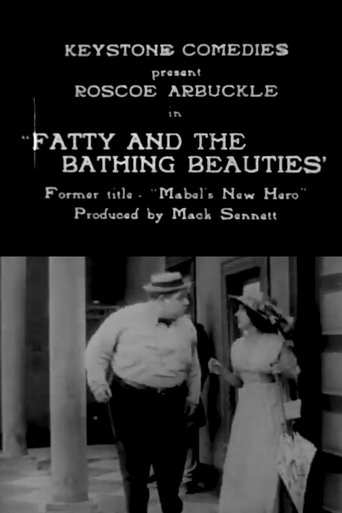
Mabel's New Hero
1913
The Lure of the Gown
1909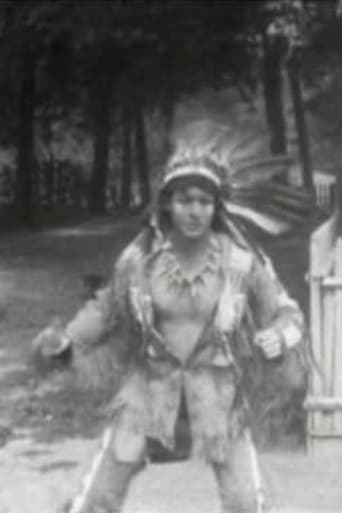
The Call of the Wild
1908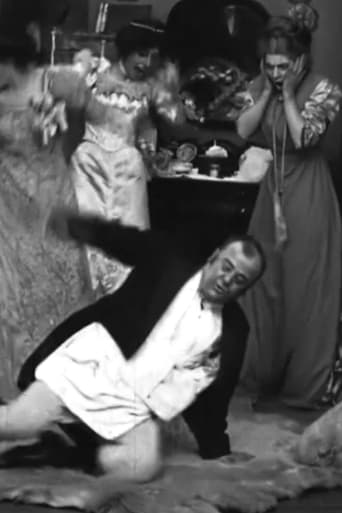
Mr. Jones at the Ball
1908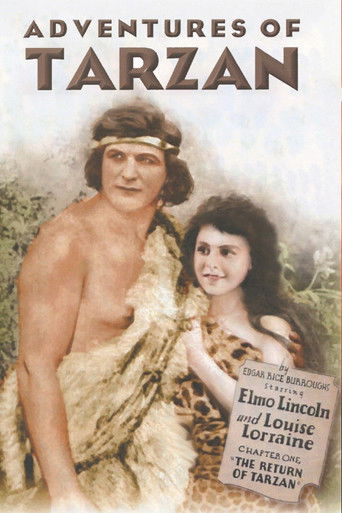
The Adventures of Tarzan
1921 The Adventures of Tarzan
1921
The Cord of Life
1909
A Calamitous Elopement
1908
The Salvation Army Lass
1909
Mr. Jones Has a Card Party
1909
A Muddy Romance
1913
Confidence
1909
Mabel's Dramatic Career
1913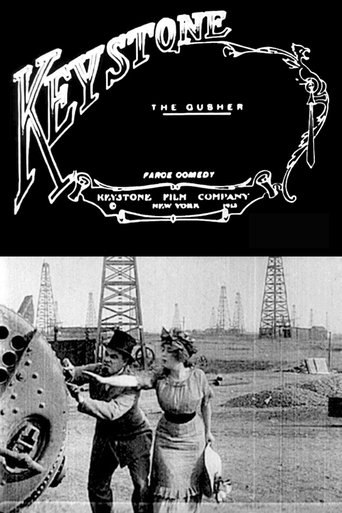
The Gusher
1913About Charles Inslee
Prolific character actor during the dawn of American cinema, emerging as one of the recognizable faces in D.W. Griffith's early Biograph productions. Beginning his film career in 1908, Inslee quickly became a staple in the rapidly growing silent film industry, appearing in over 100 films during his thirteen-year career. He worked extensively with directors at Biograph Studios, particularly D.W. Griffith, where he developed a reputation for playing authority figures, villains, and comic relief characters. Inslee's versatility allowed him to transition between dramatic and comedic roles with ease, making him a valuable supporting player in numerous early film productions. His filmography includes some of the most important early American films, such as 'The Adventures of Dollie' (1908), which was Griffith's directorial debut. As the film industry evolved from one-reel shorts to feature-length productions, Inslee adapted his acting style accordingly, though he remained primarily a character actor rather than a leading man. His the formative years of American cinema, from the experimental shorts of 1908 to the more sophisticated productions of the early 1920s, before his untimely death in 1922 at the age of 52.
The Craft
On Screen
Charles Inslee's acting style was typical of the transitional period between stage acting and the more subtle film acting that would later develop. He employed broad gestures and exaggerated expressions suitable for the silent medium, ensuring his character's emotions and intentions were clear to audiences without the benefit of dialogue. His performances were characterized by a theatrical quality that reflected his likely stage background, yet he adapted well to the intimate nature of film acting. Inslee had particular skill in conveying authority or menace through his physical presence and facial expressions, making him effective in villainous or authoritative roles. In comedic parts, he utilized timing and physical comedy techniques that translated well to the silent screen.
Milestones
- Appeared in over 100 silent films
- Regular collaborator with D.W. Griffith at Biograph Studios
- Part of the group of actors who helped establish American cinema
- Appeared in Griffith's directorial debut 'The Adventures of Dollie' (1908)
- Transitioned successfully from early one-reel shorts to feature films
Best Known For
Iconic Roles
Must-See Films
Working Relationships
Worked Often With
Studios
Why They Matter
Impact on Culture
Charles Inslee was part of the foundational generation of American film actors who helped establish the language of cinema during its formative years. As a regular player in D.W. Griffith's early Biograph productions, Inslee contributed to the development of film acting techniques that would influence generations of performers. His work in over 100 films during the transitional period from 1908 to 1921 helped demonstrate the potential of cinema as both an artistic medium and a commercial enterprise. While not a star like some of his contemporaries, Inslee's consistent presence in early American films represents the importance of character actors in building the film industry. His performances in Griffith's films contributed to the establishment of narrative film techniques and the development of film grammar that would become standard in cinema. Inslee's career trajectory, from the experimental one-reel films of 1908 to the more sophisticated productions of the early 1920s, mirrors the evolution of American cinema itself during this crucial period.
Lasting Legacy
Charles Inslee's legacy lies in his contribution to the foundation of American cinema during its most formative years. As a prolific character actor in over 100 silent films, he represents the countless dedicated performers who built the film industry from the ground up. While his name may not be as recognizable as some of his contemporaries who achieved greater fame, Inslee's body of work serves as an important record of early American filmmaking and the development of film acting techniques. His collaborations with directors like D.W. Griffith place him at the center of cinematic innovation during the silent era. Film historians and silent film enthusiasts continue to study his performances as examples of early film acting styles and the transition from theatrical to cinematic performance techniques. Inslee's career, though relatively brief and cut short by his early death, exemplifies the dedication and versatility required of actors during the days of American cinema.
Who They Inspired
As an early film actor, Charles Inslee influenced subsequent generations of character actors through his work in establishing film acting techniques. His ability to portray a wide range of characters, from villains to comic relief, demonstrated the versatility required in the new medium of film. While he did not have documented protégés or direct influence on specific actors, his performances in Griffith's influential films contributed to the development of film acting as a distinct art form separate from stage performance. The techniques he employed for conveying emotion and character without dialogue helped establish the foundation for silent film acting that would be refined by subsequent performers. His work in early American cinema contributed to the establishment of character actors as essential components of film productions, a tradition that continues in contemporary cinema.
Off Screen
Charles Inslee was born in New York City in 1870, during the post-Civil War era of American history. Little detailed information is available about his personal life, which was common for many supporting actors of the silent era who did not achieve star status. He appears to have been unmarried throughout his life, as no marriage records or spouse information has been documented in film archives or historical records. Inslee died tragically on his 52nd birthday, July 31, 1922, in New York City, bringing his promising film career to an abrupt end. His death occurred just as the film industry was transitioning from shorts to feature films and from silent films to talkies, preventing him from participating in the next major evolution of cinema.
Education
No specific educational background is documented for Charles Inslee, which was common for actors of his era who often came from theatrical backgrounds rather than formal training institutions.
Did You Know?
- Appeared in over 100 films during his 13-year career
- Died on his 52nd birthday in 1922
- Was part of D.W. Griffith's original Biograph stock company
- Appeared in Griffith's directorial debut 'The Adventures of Dollie'
- Often played villains and authority figures due to his stern appearance
- Worked during the transition from one-reel shorts to feature films
- Was one of the first generation of professional film actors in America
- His active years covered the entire formative period of American cinema
- Appeared in films for multiple studios including Biograph, Vitagraph, and Kalem
- His last known film appearance was in 1921, just a year before his death
Frequently Asked Questions
Who was Charles Inslee?
Screen credits include over 100 films between 1908 and 1921. He was a prolific character actor who worked extensively with director D.W. Griffith at Biograph Studios, appearing in many of the foundational films of American cinema.
What films is Charles Inslee best known for?
Titles linked here include The Adventures of Dollie (1908), The Taming of the Shrew (1908).
When was Charles Inslee born and when did he die?
Born July 31, 1870; died July 31, 1922.
What awards did Charles Inslee win?
Charles Inslee did not receive any major awards during his career, as this was during the very early period of American cinema before formal award systems like the Academy Awards were established. Recognition for film actors during his era came primarily through audience reception and steady employment.
What was Charles Inslee's acting style?
Charles Inslee's acting style reflected the transitional period between stage and film acting, featuring broad gestures and exaggerated expressions suitable for silent films. He specialized in portraying authority figures, villains, and comic characters, using physical presence and facial expressions to convey emotions without dialogue.
How many films did Charles Inslee appear in?
Charles Inslee appeared in over 100 films during his career from 1908 to 1921. He was.
Did Charles Inslee work with any famous directors?
Yes, Charles Inslee worked extensively with D.W. Griffith,. He was part of Griffith's original Biograph stock company and appeared in many of Griffith's films, including his directorial debut 'The Adventures of Dollie' (1908).