Mr. Jones Has a Card Party
"Jones, since his last escapade, had made strenuous efforts to amend the…"
Keys: Space play/pause · ←/→ 10s · F fullscreen · M mute · </> speed
About this film
Jones, since his last escapade, had made strenuous efforts to amend the reputation he had gained in the eyes of the ladies of the Temperance League. the ordeal, for such it was, was telling on him, and his pent-up spirits were threatening ebullition, when at last the
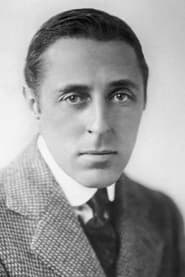
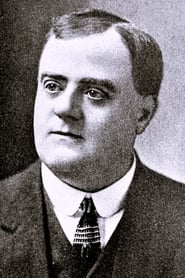
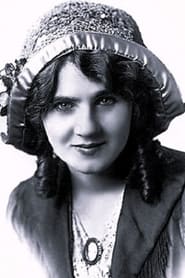
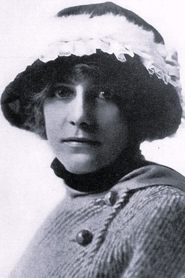
Cast & crew
More films like this

More Comedy films
View all →







More from D.W. Griffith
View all →
More about this film
About the production
Release dateMarch 18, 1909
ProductionAmerican Mutoscope and Biograph Company
Filmed inNew York City, New York, Biograph Studio, Bronx, New York
This was one of approximately 450 short films D.W. Griffith directed for Biograph between 1908-1913. The film was shot on 35mm film in black and white, typical of Biograph productions of the era. The production schedule was extremely rapid, with Griffith often completing a film in one or two days. The cast were regular Biograph players who appeared in multiple films each week.
Themes
Hypocrisy vs. realityTemperance and prohibitionMale camaraderieMarital deceptionSocial reform movements
Themes & topics
card gamedrinkingtemperancedeceptionmarriagecomedypartyreformsecrethusband and wifefriendsalcoholconventionpaniccleanup
Historical background
Released in 1909 during cinema's first decade, Mr. Jones Has a Card Party reached audiences when exhibitors were still defining programming conventions. The narrative hook—Jones, since his last escapade, had made strenuous efforts to amend the…—reflects what contemporary producers thought would draw viewers.
Why this film matters
Mr. Jones Has a Card Party remains discussed by archivists tracing how screen stories of its period represented work, desire, conflict, and social order. Its central situation—Jones, since his last escapade, had made strenuous efforts to amend the…—still prompts questions about genre conventions and audience expectations.
Making of
The production of 'Mr. Jones Has a Card Party' exemplified the factory-like efficiency of the Biograph studio under Griffith's direction. The company operated on a strict schedule, often completing multiple films in a single week. Griffith was known for his meticulous attention to detail despite the rapid pace, often rehearsing actors extensively before shooting. The cast, particularly John R. Cumpson and Florence Lawrence, had developed a strong working chemistry through appearing together in numerous Biograph productions. The film's sets were simple but effective, designed to be quickly assembled and struck between productions. Griffith was already experimenting with cinematic techniques that would later become his trademarks, including cross-cutting and varying camera angles, though these innovations were more subtle in this straightforward comedy. The temperance theme was deliberately chosen as it was both timely and relatable to contemporary audiences, while also allowing for comic contrast between respectable appearances and hidden indulgences.
What critics said
Trade and newspaper notices for Mr. Jones Has a Card Party generally emphasized casting, spectacle, and program fit rather than extended aesthetic argument. Retrospective screenings and archival notes continue to shape how viewers evaluate Mr. Jones Has a Card Party today.
Did you know?
- This film is part of a series of 'Mr. Jones' comedies directed by Griffith, featuring the character's various misadventures and attempts at reform.
- Florence Lawrence, often called 'The Biograph Girl,' was one of the first film stars to be publicly named by a studio, though this happened after she left Biograph.
- John R. Cumpson, who plays Mr. Jones, was a popular comedic actor in early cinema who appeared in over 150 films before his death in 1918.
- Linda Arvidson, who appears in this film, was married to D.W. Griffith from 1902 to 1915, though their marriage was deteriorating during this period.
- The film's title was also released as 'Mr. Jones' Card Party' in some markets and promotional materials.
- This comedy was typical of Griffith's early work before he became known primarily for his dramatic features.
- The 'Temperance League' theme reflected the very real social and political movement of the era that would eventually lead to Prohibition in the United States.
- Biograph films of this period were often rented to theaters by the foot rather than sold outright, with theaters paying based on the length of the film.
- The film was shot using a hand-cranked camera, meaning the actual speed could vary depending on the cameraman's cranking speed.
- Like many early films, intertitles were minimal and the story was told primarily through visual action and the actors' performances.
Visual style
The cinematography by G.W. Bitzer, Griffith's regular cameraman, employed the standard techniques of the era while showing early signs of innovation. The film was shot in a single camera setup typical of the period, with static framing for most scenes. Bitzer used natural lighting from the studio's glass roof, creating the bright, even illumination characteristic of Biograph films. The composition followed theatrical conventions, with actors positioned to maximize visibility to the camera. Some subtle camera movements may have been employed, though this was still relatively rare in 1909. The film stock was standard 35mm black and white, with the visual contrast enhanced through careful lighting rather than laboratory processing. Bitzer was already experimenting with techniques like iris shots and soft focus, though these would become more prominent in later Griffith films.
Innovations
While not a technically groundbreaking film like some of Griffith's other works from this period, 'Mr. Jones Has a Card Party' demonstrated several important technical achievements of early cinema. The film employed effective continuity editing, maintaining clear spatial relationships between scenes. The pacing of the comedy was enhanced through careful editing that built tension toward the climax. The film's narrative structure showed sophistication in its setup and payoff, with the temperance convention providing a clear motivation for the party. The use of intertitles was minimal but effective, letting the visual storytelling carry most of the narrative. The film also demonstrated the effective use of props and set dressing to establish character and situation quickly. The lighting techniques employed by Bitzer helped create the appropriate atmosphere for both the respectable and debaucherous scenes. The film's length of 11 minutes was relatively substantial for the period, allowing for more character and plot development than shorter comedies.
Music
As a silent film, 'Mr. Jones Has a Card Party' had no synchronized soundtrack. In theaters, the film would have been accompanied by live music, typically a pianist in smaller venues or a small orchestra in larger theaters. The musical accompaniment would have been selected to match the mood of each scene, with lively music for the party scenes and tense music for the moments when the characters feared discovery. Some theaters may have used cue sheets provided by Biograph suggesting appropriate musical pieces. The score would have included popular songs of the era as well as classical pieces adapted for film accompaniment. The music was crucial in conveying emotion and enhancing the comedic timing of the visual gags. Sound effects might have been created by the theater's musician or by special effects staff using various devices to simulate noises like doors slamming, glasses clinking, or footsteps.
Famous quotes
'Bring the gang, and we will have a Prayer Meeting'
'Don't forget the fixings'
The intertitle reading: 'Mr. Jones, since his last escapade, had made strenuous efforts to amend his reputation'
Memorable scenes
- The frantic scramble to hide all evidence of the party when Mrs. Jones's return is imminent, with men rushing to hide bottles, cards, and evidence of their revelry while trying to appear sober and respectable
- The moment when Mr. Jones receives word that the Temperance League is leaving town and his face lights up with mischievous glee
- The arrival of Smith and the gang, each bringing their contribution to the 'Prayer Meeting' with knowing winks and conspiratorial behavior
- The contrast between the men's initial attempts at solemnity as they begin their 'prayer meeting' and their rapid descent into drunken revelry
What audiences thought
The film was well-received by contemporary audiences, particularly in nickelodeons where comedy shorts were always popular. The Mr. Jones character had developed a following among regular filmgoers who enjoyed his recurring misadventures. The temperance theme was particularly relatable to audiences of the era, many of whom had personal experience with or strong opinions about the movement. The film's humor, based on the universal theme of hypocrisy and the tension between public respectability and private indulgence, proved effective across different audiences. As with most Biograph productions, the film circulated widely throughout the United States and was also shown in some international markets. Audience reactions were typically enthusiastic, with the film's climax generating the expected laughs and tension among viewers.
Film connections
Influenced by
- Theatrical comedy traditions
- Music hall and vaudeville performance styles
- Literary traditions of domestic comedy
- Earlier Biograph comedy shorts
- Contemporary newspaper cartoons and humor
- Stage melodrama conventions
This film influenced
- Other Mr. Jones films in the series
- Later domestic comedy shorts
- Early feature film comedies
- Hal Roach comedy shorts
- Mack Sennett comedies
Film restoration
The film is preserved in the Library of Congress collection and has been archived by several film preservation institutions. While not in perfect condition, surviving prints allow for viewing of the complete film. The film has been included in various DVD collections of Griffith's early work and Biograph shorts. Some restoration work has been done to improve image quality, though the film shows the deterioration common to films of this era. The preservation status is considered good for a film of its age, with multiple copies existing in different archives.
Where to watch
- The film is included in 'D.W. Griffith: Years of Discovery 1909-1913' DVD collection from Kino Lorber
- Available on some streaming services specializing in classic cinema
- Can be viewed at film archives and museums with film collections
- Included in some educational film collections about early cinema
- Available through the Library of Congress's digital collections for research purposes
- Sometimes screened at film festivals and retrospectives of early cinema