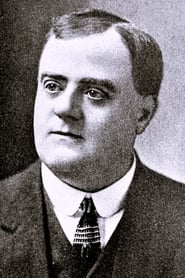
John R. Cumpson
Actor
Born: March 22, 1870 in Philadelphia, Pennsylvania, United States Died: July 15, 1925 Active: 1905-1909 Birth Name: John Robert Cumpson
Films
15 films
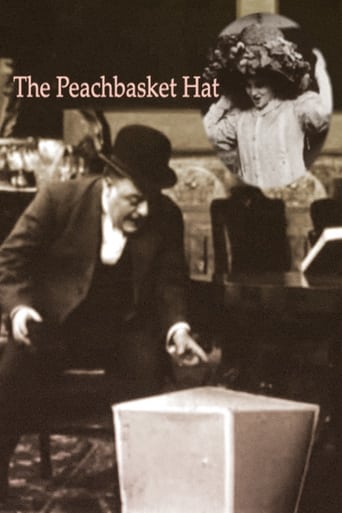
The Peachbasket Hat
1909
The Call of the Wild
1908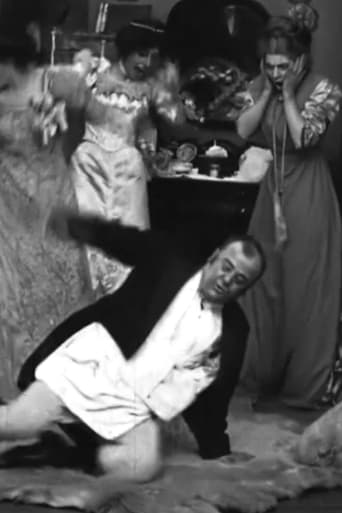
Mr. Jones at the Ball
1908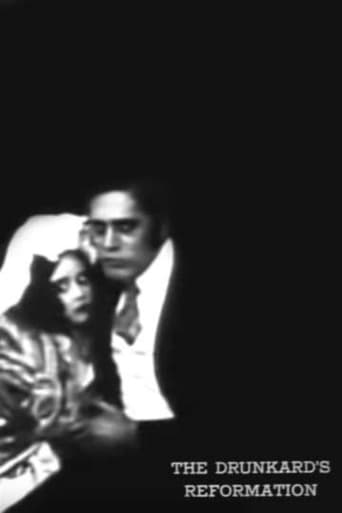
A Drunkard's Reformation
1909
The Voice of the Violin
1909
The Salvation Army Lass
1909
The White Caps
1905
What Drink Did
1909
The Cardinal's Conspiracy
1909
Mr. Jones Has a Card Party
1909
The Joneses Have Amateur Theatricals
1909
The Girls and Daddy
1909
The Stenographer's Friend; Or, What Was Accomplished by an Edison Business Phonograph
1910
The Cricket on the Hearth
1909About John R. Cumpson
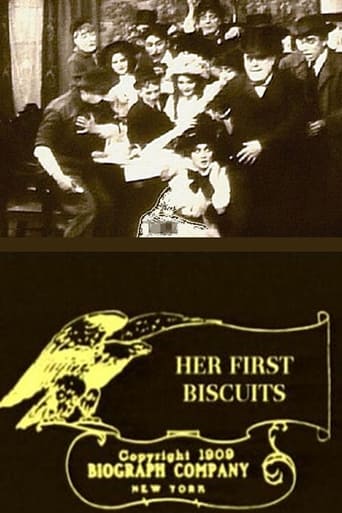
American character actor who emerged as one of the performers in the nascent film industry during the early 1900s. He began his film career in 1905, appearing in 'The White Caps,' and quickly became a reliable supporting actor for the Biograph Company, where he frequently worked under director D.W. Griffith. Cumpson developed a reputation for playing authority figures, often portraying fathers, businessmen, or officials in the short one-reel comedies and dramas that dominated the era. His filmography includes over 50 credited appearances between 1905 and 1909, with notable performances in 'The Call of the Wild' (1908), 'Mr. Jones at the Ball' (1908), and 'Her First Biscuits' (1909). Cumpson worked alongside many of the era's emerging stars, including Mack Sennett, Florence Lawrence, and Mary Pickford, contributing to the development of cinematic acting techniques during the transition from stage to screen performance. His career was relatively brief but significant, as he was part of the foundational generation of American film actors who helped establish the grammar of screen acting before the industry's move to Hollywood. Cumpson retired from acting around 1909, leaving behind a legacy as one of the early character actors who helped shape American cinema during its formative years.
The Craft
On Screen
Cumpson's acting style was typical of the transitional period between stage and screen performance, characterized by broad but controlled gestures suitable for the limitations of early film technology. He employed exaggerated facial expressions and body language to convey emotion effectively in silent films, yet maintained a naturalistic approach that him from more theatrical contemporaries. His performances showed remarkable adaptability to the new medium, with the ability to convey complex emotions through subtle movements and expressions that registered well on camera.
Milestones
- Debut in 'The White Caps' (1905)
- Regular performer for Biograph Company
- Frequent collaborator with D.W. Griffith
- Appeared in over 50 films in just 4 years
- character actor in early American cinema
Best Known For
Iconic Roles
Must-See Films
Accolades
Special Recognition
- figure in early American cinema
- Contributor to Biograph Company's legacy
Working Relationships
Worked Often With
Studios
Why They Matter
Impact on Culture
John R. Cumpson played a significant role in the development of American cinema during its formative years as one of the first generation of professional film actors. His work helped establish the conventions of screen acting, particularly for character actors, demonstrating how supporting roles could enhance narrative development in the new medium. Cumpson's performances in Biograph films contributed to the company's reputation for quality productions during the nickelodeon era, helping legitimize film as a serious art form and entertainment medium.
Lasting Legacy
Cumpson's legacy lies in his contribution to the foundation of American film acting, particularly in establishing the importance of character actors in cinematic storytelling. Though his career was brief, his body of work represents an important bridge between theatrical traditions and the emerging language of cinema. His films, many preserved by the Library of Congress and other archives, serve as valuable historical documents of early American filmmaking techniques and performance styles.
Who They Inspired
Cumpson influenced subsequent generations of character actors by demonstrating how supporting roles could effectively serve narrative development in film. His work with D.W. Griffith helped establish the Biograph Company's reputation for developing talent, and his approach to character performance influenced the studio's other actors. The naturalistic elements of his style, while still incorporating theatrical elements, pointed toward the more subtle screen acting that would become standard in later years.
Off Screen
John R. Cumpson was born into a middle-class family in Philadelphia and initially pursued a career in theater before transitioning to the emerging film industry. He married actress Eleanor Cumpson in 1898, and the couple had two children together. After retiring from films in 1909, Cumpson returned to theatrical work and later became involved in real estate in New York City. He spent his later years away from the entertainment industry, though he maintained connections with former colleagues from his film days.
Education
Attended public schools in Philadelphia, later studied at the Philadelphia Academy of Dramatic Arts
Family
- Eleanor Cumpson (1898-1925)
Did You Know?
- One of the first actors to make a successful transition from stage to film
- Appeared in films before Hollywood became the center of American cinema
- Worked during the nickelodeon era when films were typically one reel long
- Many of his films were shot on location in New York and New Jersey
- His film active years covered only four years but included over 50 appearances
- Was part of D.W. Griffith's regular stock company at Biograph
- His films are now considered important historical artifacts of early cinema
- Retired from films just as the industry was beginning its migration to California
- Many of his Biograph films have been preserved by major film archives
- Worked alongside many future film legends in their early careers
In Their Own Words
The moving picture is not just a novelty, but a new art form that requires its own methods of expression.
Interview with Moving Picture World, 1908)],
controversies
externalLinks
faq