The Peachbasket Hat
"The Peachbasket Hat (1909)"
Keys: Space play/pause · ←/→ 10s · F fullscreen · M mute · </> speed
About this film
Mrs. Jones leaves her baby with the maid and goes shopping for a new hat. Meanwhile, the maid invites a band of gypsies into the house for a palm reading. After the gypsies leave, no one can find the baby, and everyone assumes it's been kidnapped-- until the baby is found under a hatbox.
Cast & crew
More films like this


More Comedy films
View all →







More from D.W. Griffith
View all →
More about this film
About the production
Release dateJune 1909
ProductionAmerican Mutoscope and Biograph Company
Filmed inNew York City, New York, Fort Lee, New Jersey
This film was produced during D.W. Griffith's early period at Biograph, where he directed hundreds of short films between 1908 and 1913. The production utilized the company's indoor studio sets and outdoor locations in the New York area. As with most Biograph productions of this era, the film was shot on 35mm black and white film stock and likely completed in a single day due to the rapid production schedule.
Themes
Domestic anxietyMaternal concernSocial class distinctionsExoticism and othernessFashion and consumerism
Themes & topics
Historical background
Made in 1909, The Peachbasket Hat reflects production norms of the earliest years of projected motion pictures—shorter runtimes, regional audiences, and limited preservation infrastructure.
Why this film matters
Historians reference The Peachbasket Hat (1909) when discussing 1909 film by D. W. Griffith.
Making of
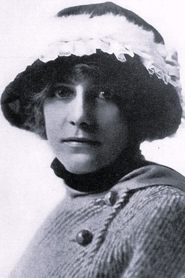
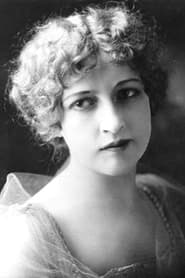
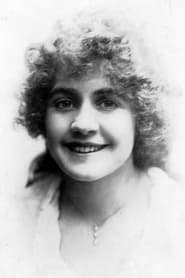
The Peachbasket Hat was created during D.W. Griffith's formative years as a director at the Biograph Company, where he was rapidly developing his cinematic language and storytelling techniques. The film was likely shot in a single day with minimal rehearsal, as was common for Biograph productions of this era. Griffith was experimenting with narrative pacing and emotional escalation during this period, using simple domestic situations to create dramatic tension. The casting of Florence Lawrence, who was Biograph's leading lady, indicates the company's confidence in the production. The gypsy characters would have been played by actors in costume, reflecting the theatrical traditions still influential in early cinema. The film's indoor scenes were probably shot on Biograph's studio sets, while any exterior footage would have been filmed on location in New York or New Jersey, where Biograph maintained production facilities.
What critics said
Trade and revival screenings have kept The Peachbasket Hat (1909) on the map for collectors and scholars rather than mass first-run promotion.
Did you know?
- This film features Florence Lawrence, often called 'The First Movie Star,' who was one of Biograph's most popular actresses before her public identity was revealed by Carl Laemmle in 1910.
- The film was released during a period when D.W. Griffith was directing an average of two to three films per week for Biograph.
- The peachbasket hat referenced in the title was a fashionable women's hat style during the Edwardian period, characterized by its wide, shallow shape resembling an inverted peach basket.
- This film is one of over 300 short films Griffith directed for Biograph before moving to Reliance-Majestic Studios in 1913.
- The gypsy characters in the film reflect common stereotypes and exotic tropes popular in early 20th century American entertainment.
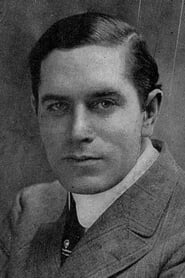
- John R. Cumpson, who appears in this film, was a frequent collaborator with Griffith during his Biograph period.
- The film's plot structure follows Griffith's developing narrative style of creating domestic situations that escalate into dramatic crises before resolving peacefully.
- Like many Biograph films of 1909, this was likely shown as part of a variety program with other short films, live acts, and musical accompaniment.
Visual style
The cinematography in The Peachbasket Hat reflects the technical standards of Biograph productions in 1909. The film was likely shot by Biograph's regular cameramen such as G.W. Bitzer or Arthur Marvin, using stationary cameras typical of the period. The visual style would have featured medium shots for establishing scenes and closer shots for emotional moments, though extreme close-ups were still rare. Indoor scenes would have been lit with artificial lighting, creating the high contrast characteristic of early film. The camera work would have been functional rather than artistic, focusing on clearly presenting the action and actors' expressions. Movement would have been limited to what was necessary to follow the story, with the camera remaining static for most scenes.
Innovations
The Peachbasket Hat does not represent major technical innovations but does demonstrate the refinement of existing filmmaking techniques by 1909. The film showcases Griffith's growing mastery of narrative pacing and the effective use of editing to build suspense. The production would have utilized Biograph's standard equipment and practices, including their proprietary 35mm film format. The film's continuity editing represents an advancement over earlier cinema's more disjointed scene transitions. The use of multiple locations within a single story indicates the increasing complexity of film narratives during this period. While not groundbreaking, the film demonstrates the professionalization of film production and the establishment of standardized techniques that would become the foundation of classical Hollywood cinema.
Music
As a silent film, The Peachbasket Hat would have been accompanied by live musical performance during its theatrical exhibition. The typical accompaniment for a Biograph short of this era would have been a pianist or small ensemble playing popular songs of the period, classical pieces, or improvised music to match the mood of each scene. The music would have been more prominent during moments of tension (the search for the baby) and resolution (the baby's discovery). No original score was composed specifically for the film; instead, theaters used their stock music libraries or selections appropriate to the film's emotional content. The accompaniment would have varied significantly from venue to venue, depending on the resources and skill of the local musicians.
Famous quotes
No recorded dialogue - silent film
Memorable scenes
- The climactic search for the missing baby, with frantic household members tearing through rooms while Mrs. Jones collapses in despair, only to have the baby discovered peacefully sleeping under a hatbox, providing both relief and comic resolution to the crisis.
What audiences thought
Audience reception for The Peachbasket Hat in 1909 would have been generally positive, as domestic comedies with relatable situations were popular among nickelodeon patrons. The film's mix of humor and mild suspense would have appealed to the broad urban audiences of the era. The presence of Florence Lawrence, though audiences wouldn't have known her by name, would have been a draw for regular Biograph filmgoers. The resolution of the baby's disappearance would have provided the satisfying conclusion expected by audiences of the time. The film's themes of domestic life and fashion would have resonated particularly with female viewers, who constituted a significant portion of early cinema audiences.
Film connections
Influenced by
- Stage melodrama
- Domestic literature
- Music hall comedy
- Earlier Biograph shorts
This film influenced
- Other Biograph domestic comedies (1909-1913)
- Later Griffith films featuring domestic crises
Film restoration
The Peachbasket Hat is preserved in the Library of Congress collection as part of the Biograph films. A 35mm paper print exists in the Paper Print Collection, which has been used for preservation copies. The film is considered to be in good condition for its age and has been made available through various archival screenings and digital platforms. The preservation status reflects the importance of Biograph films in early cinema history and the success of early paper print preservation efforts.
Where to watch
- Library of Congress National Screening Room
- Various streaming platforms specializing in public domain films
- DVD collections of D.W. Griffith's Biograph films
- Museum of Modern Art film archive screenings