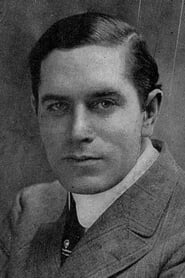
Arthur V. Johnson
Actor
Born: February 2, 1876 in Cincinnati, Ohio, USA Died: January 17, 1916 Active: 1905-1916 Birth Name: Arthur Vaughan Johnson
Films
50 films
The Taming of the Shrew
1908
The Son's Return
1909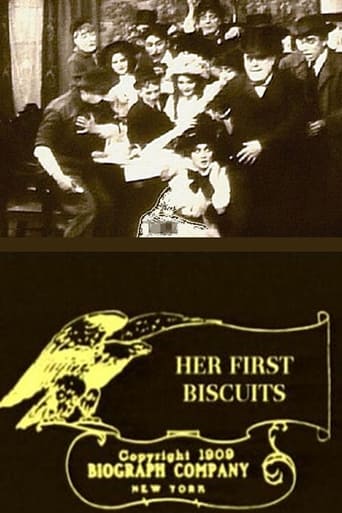
Her First Biscuits
1909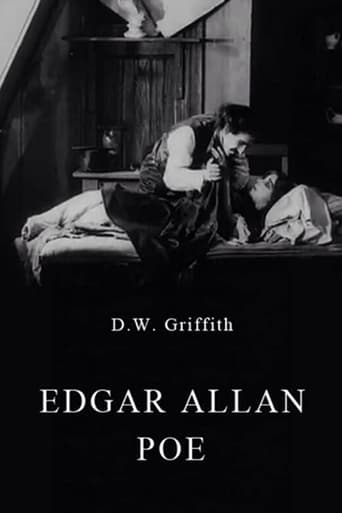
Edgar Allan Poe
1909
The Sealed Room
1909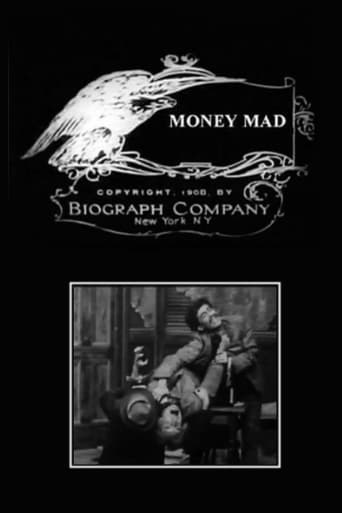
Money Mad
1908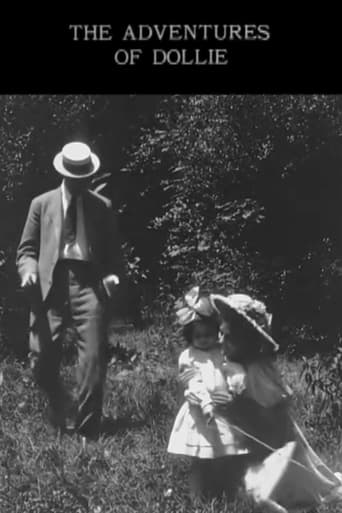
The Adventures of Dollie
1908
The Peachbasket Hat
1909
The Slave
1909
The Curtain Pole
1909
The Renunciation
1909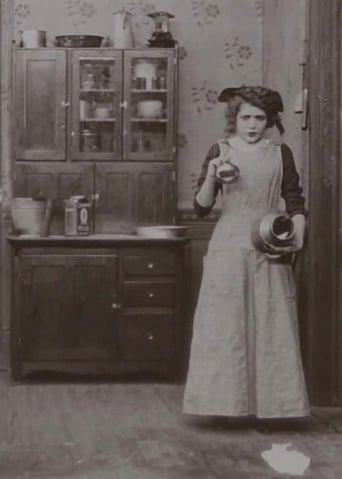
All on Account of the Milk
1910
The Zulu's Heart
1908
Balked at the Altar
1908
The Violin Maker of Cremona
1909
A Strange Meeting
1909
Getting Even
1909
The Lure of the Gown
1909
The Call of the Wild
1908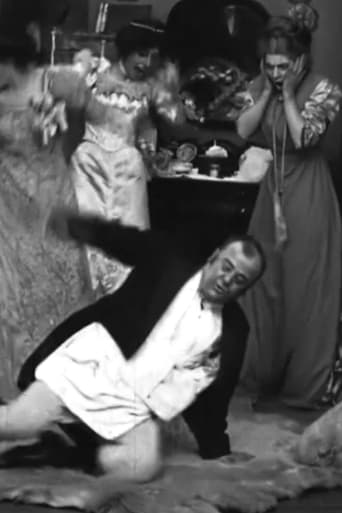
Mr. Jones at the Ball
1908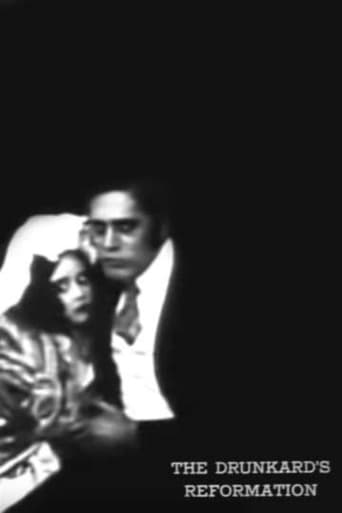
A Drunkard's Reformation
1909
Comata, the Sioux
1909
The Voice of the Violin
1909
The Song of the Shirt
1908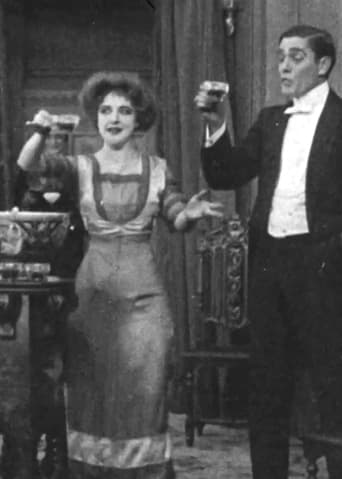
The Day After
1909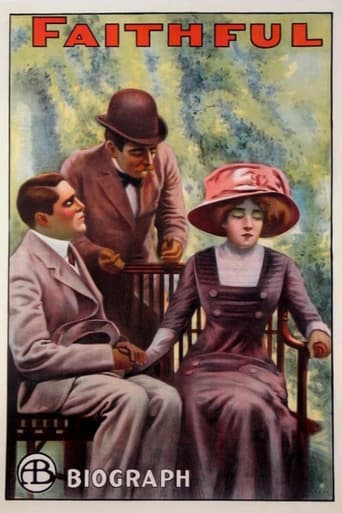
Faithful
1910
Fate's Turning
1911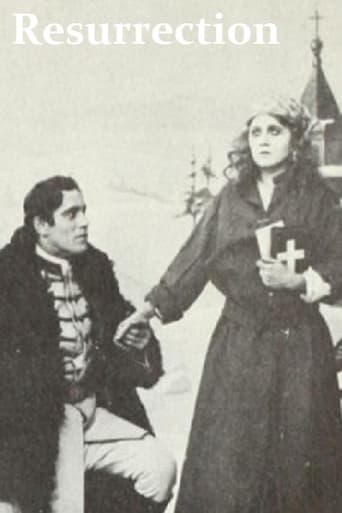
Resurrection
1909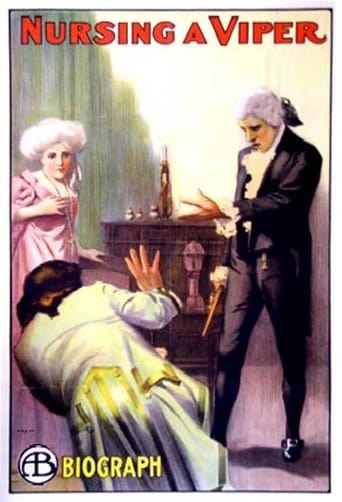
Nursing a Viper
1909
The Mountaineer's Honor
1909
The Necklace
1909
The Oath and the Man
1910
The Redman's View
1909
The Unchanging Sea
1910
The White Caps
1905
What Drink Did
1909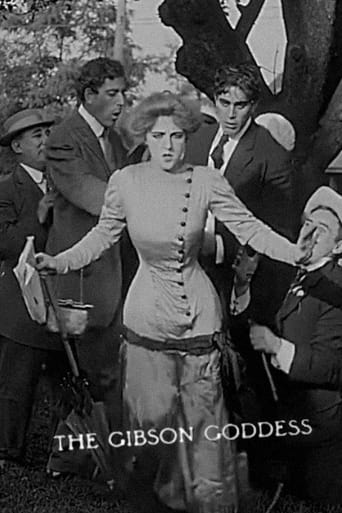
The Gibson Goddess
1909
The Cardinal's Conspiracy
1909
Two Memories
1909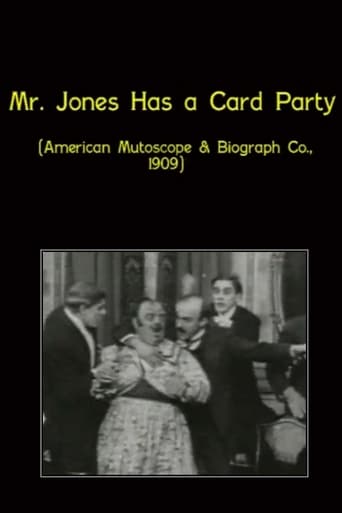
Mr. Jones Has a Card Party
1909
Eradicating Aunty
1909
Unexpected Help
1910
Pippa Passes
1909
The Way of Man
1909
Confidence
1909
The Girls and Daddy
1909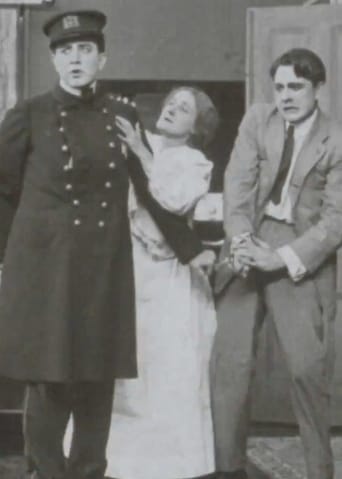
His Duty
1909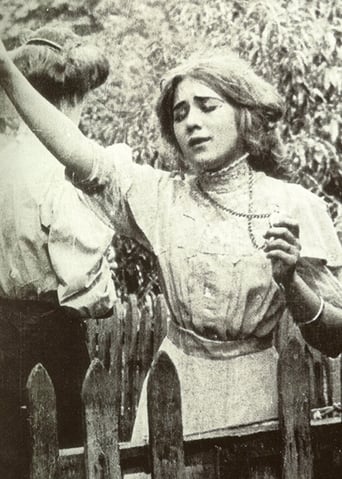
The Broken Locket
1909
Over Silent Paths
1910About Arthur V. Johnson
American film actor and director who emerged during the birth of cinema in the early 1900s. He began his career with Biograph Studios in 1905, quickly becoming one of the first recognizable leading men in American silent films. Johnson worked extensively with director D.W. Griffith during Griffith's formative years at Biograph, appearing in dozens of short films that helped establish the language of cinema. His naturalistic acting style set him apart from the theatrical performers common in early film, and he developed a reputation for his ability to convey emotion through subtle gestures and expressions. In 1911, Johnson left Biograph to join Reliance Film Company, where he also began directing films, showcasing his versatility behind the camera. His career was tragically cut short when he died of tuberculosis in 1916 at age 39, just as the feature film era was beginning to take shape. Despite his brief career, Johnson on early cinema as one of its first true film stars and a key figure in the development of American film acting.
The Craft
On Screen
Johnson developed a naturalistic acting style that was revolutionary for early cinema. Unlike many of his contemporaries who brought theatrical exaggeration to their film performances, Johnson understood the intimacy of the camera and used subtle gestures, facial expressions, and body language to convey emotion. He was particularly adept at portraying complex emotional states through minimal movement, recognizing that the camera could capture nuances lost on the stage. His performances often featured a quiet intensity and restrained emotionality that made him particularly effective in dramatic roles. Johnson's approach helped establish the foundation for film acting as a distinct art form separate from stage performance.
Milestones
- One of the first leading men in American cinema at Biograph Studios (1905-1911)
- Key collaborator with D.W. Griffith during his formative directing years
- Starred in over 200 short films during his career
- Transitioned to directing in 1911 with Reliance Film Company
- Pioneered naturalistic acting style in early silent films
- One of the first recognizable film stars in American cinema
Best Known For
Iconic Roles
Must-See Films
Accolades
Special Recognition
- Pioneer of American cinema recognized by film historians
- Credited as one of the first true film stars in Hollywood history
Working Relationships
Worked Often With
Studios
Why They Matter
Impact on Culture
Arthur V. Johnson played a crucial role in establishing film acting as a legitimate art form distinct from theatrical performance. His naturalistic style helped define what it meant to be a film actor, demonstrating that the camera required a different approach than the stage. As one of the first recognizable stars in American cinema, Johnson contributed to the development of the star system that would become central to Hollywood's success. His work with D.W. Griffith during Griffith's most innovative period helped establish many of the techniques and conventions that would define narrative cinema. Johnson's transition from acting to directing also exemplified the multi-talented nature of early film pioneers, who often had to master multiple aspects of filmmaking as the industry developed.
Lasting Legacy
Arthur V. Johnson's legacy lies in his role as one of the first true film stars and his contribution to developing naturalistic film acting. While his name is not as widely remembered as some of his contemporaries, film historians recognize his importance in establishing the foundation for American film performance. His work helped demonstrate that film could be a medium for serious dramatic expression, not just novelty entertainment. Johnson's career, though brief, spanned a crucial period in cinema's development from simple novelty shorts to complex narrative films. His influence can be seen in the naturalistic acting styles that would dominate Hollywood in subsequent decades, and his collaboration with D.W. Griffith places him at the center of cinema's most formative creative period.
Who They Inspired
Johnson influenced subsequent generations of film actors by demonstrating that subtlety and naturalism were more effective for the camera than theatrical exaggeration. His work helped establish the principle that film acting required its own techniques and approaches distinct from stage performance. Many actors who followed in the 1910s and 1920s built upon the foundation Johnson helped create, developing even more nuanced approaches to screen performance. His collaboration with D.W. Griffith also contributed to the development of narrative film techniques that would influence countless directors. Johnson's relatively early death meant he couldn't directly mentor later actors, but his filmed performances served as examples for those who studied the craft of film acting in its early years.
Off Screen
Arthur V. Johnson married fellow actress Florence Hackett in 1908, and their daughter Florence also became an actress, continuing the family's involvement in early cinema. The family lived in New York during his Biograph years before relocating to California as the film industry began its westward migration. Johnson was known among his colleagues as a dedicated professional who took his craft seriously at a time when many still considered film acting a lesser art form. His marriage to Florence Hackett was both personal and professional, as they appeared together in several films. Johnson's premature death from tuberculosis at age 39 was a significant loss to the early film community, cutting short a career that showed great promise for continued innovation and contribution to the emerging art of cinema.
Education
Limited formal education, typical of actors of his era; primarily learned through practical experience in theater and early film
Family
- Florence Hackett (1908-1916)
Did You Know?
- Appeared in over 200 films during his 11-year career, mostly short films
- Was one of the first actors to receive screen credit in Biograph films
- His death at age 39 from tuberculosis was common in the pre-antibiotic era
- Worked with D.W. Griffith during the director's most innovative period at Biograph
- His wife Florence Hackett was also a prominent early film actress
- Their daughter Florence continued the family's film legacy as an actress
- Was one of the highest-paid actors of his era, earning $50 per week at Biograph
- Helped establish the 'leading man' archetype in American cinema
- His naturalistic acting style contrasted sharply with the theatrical approach of many early film performers
- Transitioned to directing in 1911, though his directorial output was limited by his early death
In Their Own Words
The camera is a different audience than the stage - it sees everything, even the smallest gesture.
In film, we must learn to show emotion without the voice our stage colleagues depend upon.
Frequently Asked Questions
Who was Arthur V. Johnson?
American film actor and on YTB.my. He worked extensively with D.W. Griffith at Biograph Studios and appeared in over 200 films between 1905 and 1916, helping establish naturalistic acting as the standard for film performance.
What films is Arthur V. Johnson best known for?
Titles linked here include The White Caps (1905), The Adventures of Dollie (1908).
When was Arthur V. Johnson born and when did he die?
Born February 2, 1876; died January 17, 1916.
What awards did Arthur V. Johnson win?
Arthur V. Johnson did not receive formal awards during his career, as the Academy Awards and other major film honors were not established until after his death. However, he is recognized by film historians as a figure who helped establish the foundation of American cinema.
What was Arthur V. Johnson's acting style?
Johnson developed a naturalistic acting style that was revolutionary for early cinema. Unlike theatrical performers of his era, he used subtle gestures and facial expressions suited to the camera's intimacy, helping establish film acting as a distinct art form separate from stage performance.