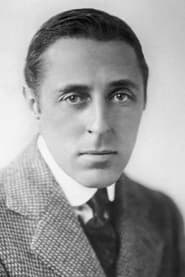
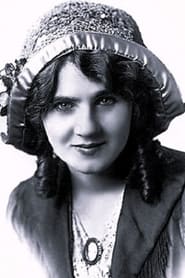
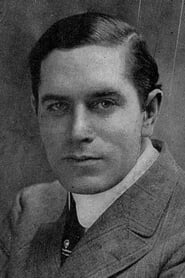
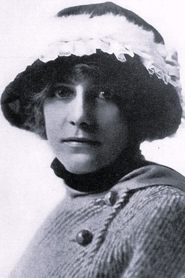

The Taming of the Shrew
"Petruchio sets out to tame the fiery Katharina."
Keys: Space play/pause · ←/→ 10s · F fullscreen · M mute · </> speed
About this film
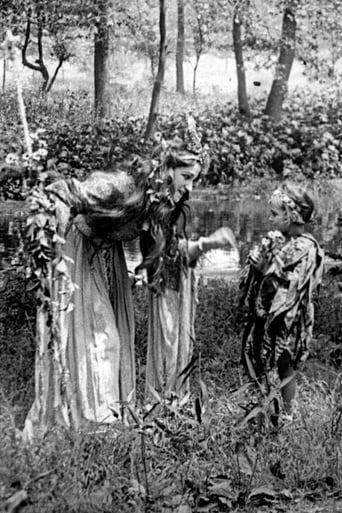
Petruchio courts the bad-tempered Katharina, and tries to change her aggressive behavior.
Cast & crew
More films like this
More Romance films
View all →




More from D.W. Griffith
View all →

More about this film
About the production
Release dateNovember 1908
ProductionAmerican Mutoscope and Biograph Company
Filmed inNew York City, New York, Fort Lee, New Jersey
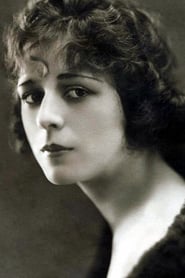
This was one of D.W. Griffith's earliest directorial efforts, made during his first year with the Biograph Company. The film was shot in a single day, as was typical for productions of this era. Griffith was still developing his directorial style and had not yet pioneered the techniques that would make him famous. The production used minimal sets and relied heavily on the actors' physical performances to convey the story without intertitles. Florence Lawrence, who played Katharina, was known as 'The Biograph Girl' and was one of the first film actors to be publicly named, though this practice wouldn't become standard until after this film was made.
Themes
Gender roles and power dynamicsTransformation and personal changeMarriage as economic transactionComedy of humiliationBattle of the sexes
Themes & topics
Shakespeare adaptationMarriageTamingComedyGender conflictTransformationCourtshipFamily dynamicsWealth and dowryPsychological manipulation
Historical background
Audiences around 1908 encountered The Taming of the Shrew in a market crowded with competing studios fighting for weekly program slots.
Why this film matters
Collectors prize surviving prints of The Taming of the Shrew as evidence of how 1908-era filmmakers solved storytelling problems with limited means.
Making of
The making of 'The Taming of the Shrew' occurred during the formative period of American cinema when D.W. Griffith was rapidly developing his craft as a director at the Biograph Company. Griffith had joined Biograph as an actor in 1908 but quickly moved behind the camera when the company needed directors. The film was shot in a single day with minimal preparation, as was standard practice for Biograph's one-reel productions. The cast worked without scripts in the modern sense, relying instead on scene outlines and their understanding of Shakespeare's play. Florence Lawrence and Arthur V. Johnson had to convey complex emotions and character development through gesture and expression alone, as this was a silent film with no surviving intertitles. The production faced the technical limitations of 1908 filmmaking, including cumbersome cameras, natural lighting requirements, and the inability to record sound. Despite these constraints, Griffith was already experimenting with camera positioning and editing techniques that would later become hallmarks of his more celebrated work.
What critics said
Press clipping files from 1908 rarely give The Taming of the Shrew headline space; mentions appear in roundup columns listing what played that week.
Did you know?
- This was one of the earliest film adaptations of Shakespeare's work, predating most other Shakespeare films by several years.
- D.W. Griffith was only 23 years old when he directed this film, early in his career before he revolutionized filmmaking with works like 'The Birth of a Nation' (1915).
- Florence Lawrence, who played Katharina, is often considered the first movie star, though audiences didn't know her name when this film was released.
- The film was released during a period when Biograph was producing hundreds of short films annually, with Griffith directing dozens in his first year.
- This adaptation condenses Shakespeare's five-act play into just 11 minutes, requiring significant simplification of the original text.
- Arthur V. Johnson, who played Petruchio, was one of Griffith's regular collaborators and appeared in over 200 of the director's films.
- Linda Arvidson, who played Bianca, was actually married to D.W. Griffith at the time this film was made.
- The film was shot on 35mm film at Biograph's studio in New York and on location in nearby New Jersey.
- No intertitles survive with the film, as was common for Biograph productions of this period, relying entirely on visual storytelling.
- This was one of over 40 films Griffith directed in 1908 alone, demonstrating the incredible productivity of early cinema.
Visual style
The cinematography of 'The Taming of the Shrew' reflects the technical limitations and aesthetic conventions of 1908 filmmaking. The film was likely shot by Biograph's regular cinematographers, possibly including Arthur Marvin or G.W. 'Billy' Bitzer, who would later become Griffith's primary cameraman. The camera would have been stationary, using long takes that captured the entire action within a single frame, as the moving camera had not yet been developed. Lighting would have been entirely natural, coming from large windows in the studio or sunlight for exterior shots, as artificial lighting was still primitive. The film was shot on 35mm black and white film stock, with no color tinting which would become common in later years. Composition would have been theatrical in nature, with actors positioned to be clearly visible to the camera rather than creating naturalistic depth. The cinematography prioritized clarity of action and expression over artistic composition, reflecting the primary goal of early narrative films to tell stories comprehensibly despite technical limitations.
Innovations
While 'The Taming of the Shrew' does not feature major technical innovations, it represents the standard technical practices of American cinema in 1908. The film was shot on Biograph's proprietary 68mm film stock, which the company used until 1909 before switching to the industry standard 35mm. This larger format provided higher image quality than competing studios' 35mm films. The production utilized the Mitchell camera, one of the more reliable cameras of the period. The film demonstrates early use of continuity editing to tell a coherent story across multiple scenes, though the techniques are primitive compared to what Griffith would later develop. The lighting setup, while simple, shows the beginnings of the three-point lighting system that would become standard. The film's survival is itself a technical achievement, as nitrate film from this period has largely deteriorated. The preservation of this work allows modern scholars to study the technical state of American cinema during its formative years.
Music
As a silent film, 'The Taming of the Shrew' had no synchronized soundtrack. However, it would have been accompanied by live music during its theatrical presentations. In 1908, nickelodeons typically employed a pianist or small ensemble to provide musical accompaniment. The music would have been selected from existing published pieces rather than specially composed scores. For a Shakespeare adaptation, the accompanist might have chosen classical pieces or popular songs that matched the mood of each scene. The music would have been louder during dramatic moments and softer during intimate scenes, helping to guide audience emotions. Some theaters might have used sound effects like bells or whistles to punctuate the action. The lack of surviving intertitles means modern screenings require even more musical interpretation to convey the narrative. The experience of watching the film in 1908 would have been significantly different from viewing it today, with the live musical performance being an integral part of the presentation.
Famous quotes
(Silent film - no dialogue survives, but the story conveyed through action and gesture rather than spoken words)
Memorable scenes
- The climactic wedding scene where Petruchio's aggressive 'taming' of Katharina reaches its peak, conveyed through exaggerated physical comedy and dramatic gestures typical of silent era performance. The scene would have featured Lawrence's wild resistance gradually breaking down under Johnson's forceful character, all communicated through facial expression and body language without the benefit of dialogue.
What audiences thought
Audience reception data for 1908 films is virtually nonexistent, as systematic box office tracking and audience surveys had not yet been developed. However, Biograph films of this period were generally popular with the working-class and middle-class audiences who frequented nickelodeons. Shakespeare's name would have been familiar to many theatergoers of the time, potentially attracting viewers interested in seeing a film adaptation of a classic play. The comedy genre and the story's dramatic conflict would have appealed to audiences seeking entertainment during their brief nickelodeon visits. The physical comedy inherent in the story of 'taming' a shrewish woman would have translated well to silent film performance. Given that Biograph continued producing Shakespeare adaptations and other literary works, it's reasonable to assume these films found an audience. The star power of Florence Lawrence, though not yet publicly acknowledged, may have contributed to the film's appeal through her recognizable screen presence.
Film connections
Influenced by
- William Shakespeare's 'The Taming of the Shrew' (1590-1592)
- Theatrical traditions of Shakespearean performance
- 19th-century stage adaptations of Shakespeare
- Commedia dell'arte character archetypes
- Silent film melodrama conventions
This film influenced
- The Taming of the Shrew (1929)
- Kiss Me Kate (1953)
- 10 Things I Hate About You (1999)
- Later D.W. Griffith Shakespeare adaptations
Film restoration
The film survives in archives, though it is not widely available to the public. A copy is held by the Museum of Modern Art's film archive and the Library of Congress. The film has been preserved on 35mm safety film from original nitrate materials. While viewable, the print shows some deterioration typical of films from this period. The film is occasionally screened at silent film festivals and specialized cinema history events. It has not received a commercial home video release, making it primarily accessible to researchers and through specialized archival screenings.
Where to watch
- Museum of Modern Art film archive screenings
- Library of Congress viewing facilities
- Silent film festivals and special events
- Academic film history collections
- Some specialized streaming services for archival films