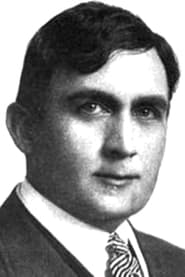
George Gebhardt
Actor
Born: 1869 in San Francisco, California, United States Died: 1919 Active: 1908-1909
Films
20 films
At the Altar
1909
Money Mad
1908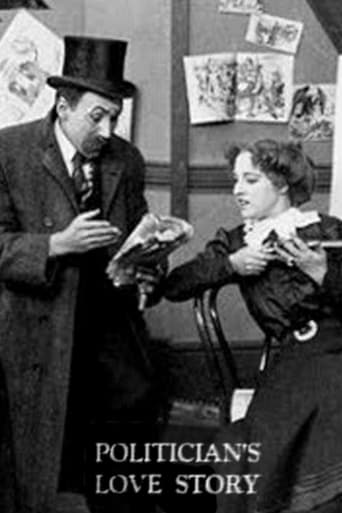
The Politician's Love Story
1909
An Awful Moment
1908
The Curtain Pole
1909
Romance of a Jewess
1908
The Zulu's Heart
1908
Father Gets in the Game
1908
The Black Viper
1908
Balked at the Altar
1908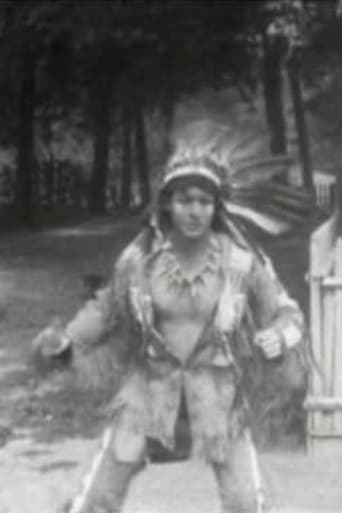
The Call of the Wild
1908
Betrayed by a Handprint
1908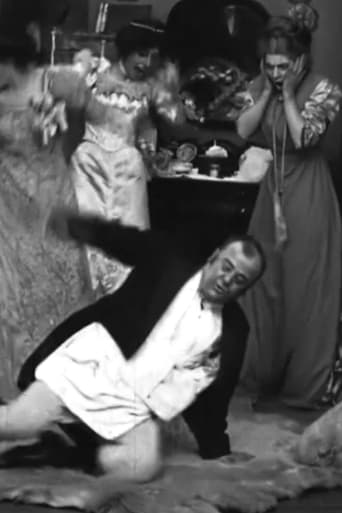
Mr. Jones at the Ball
1908
The Cord of Life
1909
The Song of the Shirt
1908
A Calamitous Elopement
1908
The Fatal Hour
1908
The Joneses Have Amateur Theatricals
1909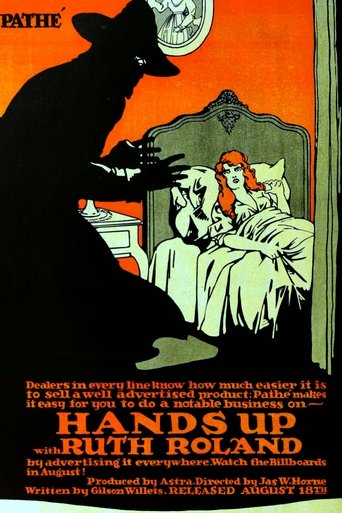
Hands Up
1918About George Gebhardt
American actor who worked during the very dawn of cinema, primarily in the years 1908-1909. He was one of the earliest actors to appear in motion pictures, working at a time when the film industry was still in its infancy and actors were rarely credited by name. Gebhardt appeared in numerous short films for the Biograph Company and other early production studios, often working under the direction of D.W. Griffith during his formative years as a filmmaker. His career, though brief, spanned a crucial transitional period in American cinema when filmmakers were beginning to explore narrative storytelling techniques. Gebhardt was part of the first generation of professional film actors who helped establish the conventions of screen acting that would influence future generations. Despite his contributions to early cinema, like many actors of his era, he has largely been forgotten by mainstream film history, though his work survives in archives and film collections dedicated to preserving cinema's earliest years.
The Craft
On Screen
Gebhardt's acting style was typical of the early silent era, characterized by exaggerated gestures and theatrical expressions necessary to convey emotion without sound. His performances featured broad physical movements and dramatic facial expressions that could be clearly read by audiences in the era's often dimly lit theaters. Like many stage actors transitioning to film, he brought theatrical techniques to the new medium, helping establish early screen acting conventions before more naturalistic styles emerged.
Milestones
- Appeared in over 30 short films during 1908-1909
- Worked with director D.W. Griffith
- Part of Biograph Company's stock company of actors
- Appeared in some of the earliest narrative films produced in America
Best Known For
Iconic Roles
Must-See Films
Accolades
Special Recognition
- Recognized as a pioneer of early American cinema by film historians and archivists
Working Relationships
Worked Often With
Studios
Why They Matter
Impact on Culture
George Gebhardt represents the anonymous pioneers who helped establish the American film industry during its earliest days. His work with D.W. Griffith placed him at the center of cinematic innovation, as Griffith was developing many of the storytelling techniques that would become standard in narrative filmmaking. Gebhardt and his fellow Biograph actors were essentially creating the language of screen acting from scratch, establishing how emotions and stories could be conveyed through the visual medium of film without the benefit of sound.
Lasting Legacy
Though largely forgotten by mainstream audiences, George Gebhardt's legacy survives in the archives of early American cinema. His films are studied by film historians and scholars interested in the origins of narrative filmmaking and the evolution of screen acting. As one of the first professional film actors in America, he helped pave the way for future generations of performers and contributed to the development of the film industry as we know it today.
Who They Inspired
Gebhardt's influence lies primarily in his role as an early practitioner of screen acting, helping establish the basic techniques that would be refined and developed by subsequent generations of actors. His work with D.W. Griffith during the director's formative years means he was present at the creation of many fundamental film techniques. While he didn't directly mentor famous actors, his performances in surviving films serve as examples of early screen acting for film students and historians studying the evolution of cinematic performance.
Off Screen
Very little is known about George Gebhardt's personal life, which was common for actors of his era who were not considered celebrities in the modern sense. He lived during a transitional period when acting was not yet considered a respectable profession, and many performers of his time left behind few personal records. His death in 1919 marked the end of a brief but significant career that spanned the crucial early years of American narrative cinema.
Did You Know?
- Appeared in over 30 films in just two years (1908-1909)
- Worked during an era when actors were rarely credited on screen
- Was part of Biograph Company's stock company, one of the first organized groups of film actors
- His films were all short, typically running 10-15 minutes
- Worked with D.W. Griffith before Griffith became one of cinema's most famous directors
- Appeared in some of the first films to use close-up shots and cross-cutting techniques
- His career coincided with the transition from actuality films to narrative storytelling in American cinema
- Like many early film actors, he likely had a background in stage theater
- His films are preserved in film archives including the Library of Congress
- Died relatively young at age 50, just as the film industry was entering its golden age
Frequently Asked Questions
Who was George Gebhardt?
American with credits in this catalog. He was a performer who worked with director D.W. Griffith at the Biograph Company and appeared in numerous short films during the crucial formative years of American narrative cinema.
What films is George Gebhardt best known for?
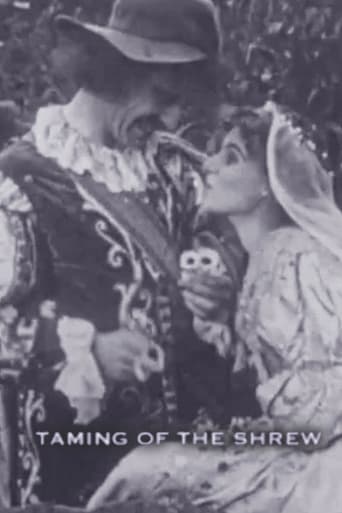
Titles linked here include The Taming of the Shrew (1908), Money Mad (1908).
When was George Gebhardt born and when did he die?
Born 1869; died 1919.
What awards did George Gebhardt win?
George Gebhardt did not receive any formal awards during his lifetime, as the film industry's award system had not yet been established during his brief career. His recognition comes primarily from film historians and archivists who acknowledge him as a pioneer of early American cinema.
What was George Gebhardt's acting style?
Gebhardt's acting style was typical of the early silent era, featuring exaggerated gestures and theatrical expressions necessary to convey emotion without sound. His performances used broad physical movements and dramatic facial expressions that could be clearly read by audiences in early movie theaters, helping establish the basic conventions of screen acting.