
Betrayed by a Handprint
"During the evening bridge participated in by a number of the guests."
Keys: Space play/pause · ←/→ 10s · F fullscreen · M mute · </> speed
About this film
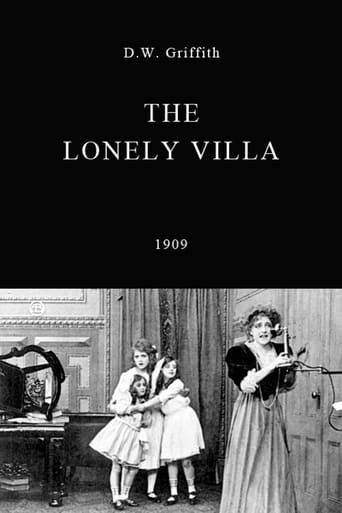
Mrs. Wharton, a dashing widow, gives a party at her beautiful villa in honor of the presentation to her of a handsome diamond necklace by her fiancé. During the evening bridge participated in by a number of the guests, among whom is Myrtle Vane.
Cast & crew
More films like this


More Crime films
View all →

More from D.W. Griffith
View all →
More about this film
About the production
Release dateMarch 1908
ProductionAmerican Mutoscope and Biograph Company
Filmed inNew York City, Fort Lee, New Jersey
This was one of over 450 short films D.W. Griffith directed for Biograph between 1908 and 1913. The film was shot on location in New York and at Biograph's studio in Fort Lee, NJ, which was the center of American film production before the industry moved to Hollywood. The production utilized natural lighting and simple sets typical of the era, with the party scene being the most elaborate set piece.
Themes
Crime and punishmentGreed and desperationFate vs. free willDeception and discoverySocial class and morality
Themes & topics
theftpalmistrydiamond necklacegamblingbridge gamepartyevidencehandprintwidowfortune-telling
Historical background
Production circa 1908 meant fixed cameras, intertitles or early sound rigs, and studio economies that shaped every scene in Betrayed by a Handprint.
Why this film matters
Restorations and festival bookings keep Betrayed by a Handprint visible among classic-film communities.
Making of
D.W. Griffith was only 23 years old when he directed , early in his revolutionary career that would transform American cinema. The production was typical of Biograph's factory-like efficiency, with Griffith directing multiple films per week. Florence Lawrence's performance demonstrated the naturalistic acting style Griffith preferred over the theatrical gestures common in earlier films. The palmistry plot device allowed Griffith to explore themes of fate versus free will, which would recur throughout his career. The film was likely shot in just one or two days, with minimal rehearsal and simple camera setups, yet Griffith was already developing his sophisticated use of cross-cutting and suspense building that would make him famous.
What critics said
Modern retrospectives screen Betrayed by a Handprint to illustrate 1908 pacing and camera norms.
Did you know?
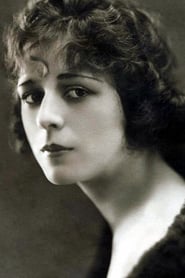
- features Florence Lawrence, cinema's first movie star, who was known as 'The Biograph Girl' before her name was publicly revealed in 1910.
- The palmistry theme was particularly popular in early 20th century entertainment, reflecting contemporary fascination with spiritualism and fortune-telling.
- Harry Solter, who appears in the film, was married to Florence Lawrence and later became a director himself.
- Linda Arvidson was actually married to D.W. Griffith during the making of , though they would later divorce.
- The film Griffith's early experimentation with narrative structure and suspense techniques that would become his trademark.
- At only 11 minutes, this was typical of the one-reel format that dominated American cinema before feature-length films became common.
- The Biograph Company refused to credit actors or directors in their films, leading to the anonymous nature of early cinema stars.
- was part of Griffith's rapid output of 1908, where he directed over 40 films in his first year at Biograph.
- The handprint evidence technique used in the plot predates the widespread use of fingerprint evidence in criminal investigations.
- The film was shot on 35mm film at Biograph's standard frame rate of 16 frames per second.
Visual style
The cinematography by G.W. Bitzer, Griffith's regular cameraman, employed the static camera positions typical of the era but with increasingly sophisticated composition. The film uses medium shots for the party scenes and close-ups for the crucial handprint evidence, demonstrating Griffith's pioneering use of varying shot sizes for dramatic effect. The lighting was primarily natural, with the use of reflectors to illuminate the indoor scenes. The camera work, while simple by modern standards, shows the emerging visual language of cinema that Griffith and Bitzer were helping to invent.
Innovations
While not technically groundbreaking compared to some of Griffith's other work, the film demonstrates his early mastery of narrative pacing and suspense building. The use of the handprint as evidence shows sophisticated plotting for the period. Griffith's use of cross-cutting between the party and the developing crime creates tension that was innovative for 1908. The film also shows his developing skill in directing actors toward more naturalistic performances, moving away from the exaggerated theatrical style of earlier cinema.
Music
As a silent film, it would have been accompanied by live musical performance in theaters, typically a pianist or small orchestra. The score would have been compiled from popular classical pieces and stock music appropriate to the mood of each scene - suspenseful music for the theft, lighter music for the party scenes, and dramatic music for the revelation. No specific original score was composed for , as was standard practice for shorts of this period.
Famous quotes
As an early silent film, no recorded dialogue exists. The story was told through intertitles and visual storytelling.
Memorable scenes
- The tense bridge game where Myrtle Vane loses everything, the collection of handprints by Professor Paracelsus, the moment the diamond necklace is discovered missing, and the dramatic revelation of the incriminating handprint on the jewelry box.
What audiences thought
The film was well-received by audiences of its time, who were increasingly sophisticated in their appreciation of narrative films. The combination of crime, mystery, and a moral lesson appealed to the growing middle-class audience base. The presence of Florence Lawrence, though uncredited, likely attracted viewers who were beginning to recognize favorite performers. The palmistry element would have been particularly intriguing to Edwardian audiences fascinated with spiritualism and fortune-telling.
Film connections
Influenced by
- Stage melodramas of the late 19th century
- Contemporary detective fiction
- Popular fascination with spiritualism
- Edgar Allan Poe's tales of crime and detection
This film influenced
- Later Biograph crime dramas
- Early Hollywood mystery films
- The development of the forensic evidence subgenre in crime cinema
Film restoration
The film is preserved in the Library of Congress collection and has been restored by film preservationists. It is available for viewing through various film archives and has been included in collections of Griffith's early work.
Where to watch
- The film is available on DVD in collections of D.W. Griffith's early Biograph shorts
- It can be viewed through the Library of Congress's online archive
- Streaming platforms specializing in classic cinema occasionally feature
- Film archives and museums with early cinema collections may have viewing copies available