Gene Gauntier
Actor
Born: May 17, 1885 in Kansas City, Missouri, USA Died: December 18, 1966 Active: 1906-1914 Birth Name: Eugenia Gauntier
Films
6 films
About Gene Gauntier
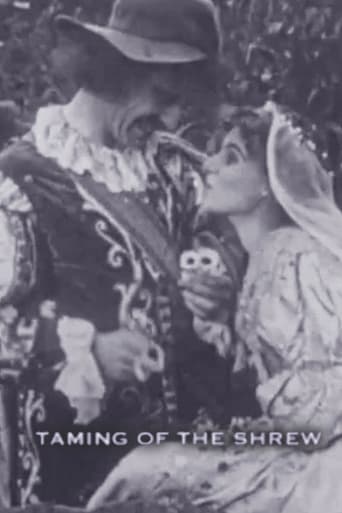
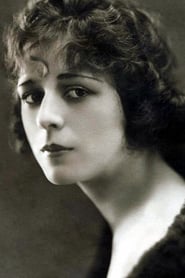
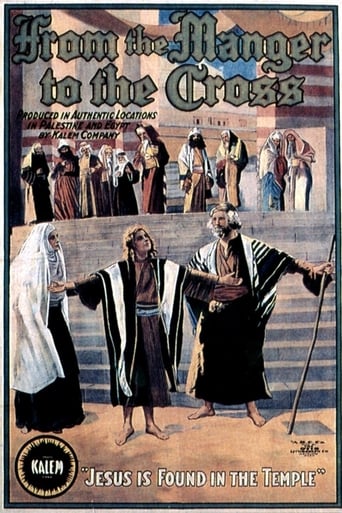
Figure in early American cinema, serving as one of the first women to work as both an actress and screenwriter in the film industry. She began her career with the Kalem Company in 1906, quickly becoming one of their most valuable assets, starring in numerous one-reel films that helped establish the studio's reputation. Gauntier was instrumental in the development of the American film industry, not only as a performer but also as a writer who penned many of her own screenplays, including adaptations of literary works. Her most significant contribution came with 'From the Manger to the Cross' (1912), which she wrote and starred in, becoming one of the first feature-length American films and a religious epic. In 1912, she left Kalem to form her own production company with actor Sidney Olcott, but this venture was short-lived. Gauntier retired from filmmaking in 1914 at the height of her career, choosing to focus on writing novels and memoirs about her experiences in early cinema. Her autobiography, 'Blazing the Trail: The Autobiography of a Film Pioneer,' published in 1928, provides invaluable insights into the birth of American cinema and the role of women in its development.
The Craft
On Screen
Gauntier was known for her naturalistic acting style that was ahead of its time in the silent era. Unlike many of her contemporaries who relied on exaggerated gestures and facial expressions, she brought a subtle, nuanced approach to her performances. Her ability to convey complex emotions through minimal movement made her particularly effective in dramatic roles and religious epics. Critics of the time praised her for bringing theatrical credibility to the new medium of cinema.
Milestones
- One of the first women to write and direct films in Hollywood
- Wrote and starred in 'From the Manger to the Cross' (1912), one of the first American feature films
- Key performer for the Kalem Company during their golden years
- Formed her own production company in 1912
- Authored autobiography 'Blazing the Trail' (1928)
Best Known For
Iconic Roles
Must-See Films
Accolades
Special Recognition
- Pioneer in Women in Film recognition
- Historical figure in early cinema studies
Working Relationships
Worked Often With
Studios
Why They Matter
Impact on Culture
Gene Gauntier's impact on cinema extends far beyond her on-screen performances. As one of the first women to write screenplays in Hollywood, she helped establish the role of women in creative positions within the film industry. Her work on 'From the Manger to the Cross' demonstrated that feature-length films could be commercially viable and artistically significant, paving the way for the feature film revolution of the 1910s. Gauntier's adaptation of literary works to the screen helped establish cinema as a legitimate art form capable of handling complex narratives and themes. Her autobiography remains.
Lasting Legacy
Gene Gauntier's legacy as a film pioneer has been increasingly recognized by film historians and scholars in recent decades. Her early retirement and the loss of many of her films contributed to her relative obscurity, but surviving works and her writings have cemented her place in cinema history. She is celebrated as a trailblazer who broke gender barriers in the film industry during its formative years. The Gene Gauntier papers are preserved in several film archives, and her autobiography continues to be studied by scholars of early cinema. Her work exemplifies the creative possibilities available to women in the early film industry before the studio system became more rigid and male-dominated.
Who They Inspired
Gauntier influenced subsequent generations of women filmmakers by demonstrating that women could successfully occupy creative and leadership roles in the film industry. Her success as both an actress and screenwriter provided a model for other women seeking to enter the field. Her adaptations of literary classics helped establish the practice of bringing respected literary works to the screen, a tradition that continues in cinema today. Her willingness to leave a successful career to form her own production company inspired independent filmmakers, particularly women, to pursue creative control over their work.
Off Screen
Gene Gauntier was married to actor Jack J. Clark, with whom she frequently collaborated at the Kalem Company. The couple worked together on numerous films before their marriage ended in divorce. After leaving the film industry, Gauntier moved to Europe where she focused on writing novels and her memoirs. She spent her later years in relative obscurity in New York City, where she lived until her death at age 81. Despite her significant contributions to early cinema, she was largely forgotten by the film industry she helped build.
Education
Educated in Kansas City schools; later studied dramatic arts in New York before entering films
Family
- Jack J. Clark (1909-1918)
Did You Know?
- Was one of the first women to write and direct films in Hollywood
- Wrote over 40 screenplays during her career
- Her film 'From the Manger to the Cross' was shot on location in Egypt and Palestine
- Was paid $25 per week at Kalem Company, a substantial salary for the time
- Left films at the height of her career to write novels
- Her autobiography was one of the first written by a film pioneer
- Many of her films are now considered lost
- Was known as 'The Kalem Girl' during her time with the company
- Helped establish the practice of location shooting in American cinema
- Was a cousin of actress Marguerite Clark
In Their Own Words
I was a pioneer in a field that was just being born. We were all learning together, and the possibilities seemed endless.
The motion picture is the art form of the twentieth century, and I am proud to have been there at its birth.
Writing for the screen is different from writing for the stage. You must think in pictures, not words.
Frequently Asked Questions
Who was Gene Gauntier?
American actress, screenwriter, and on YTB.my. She was one of the first women to write and direct films in Hollywood and was instrumental in developing the feature film format with her work on 'From the Manger to the Cross' (1912).
What films is Gene Gauntier best known for?
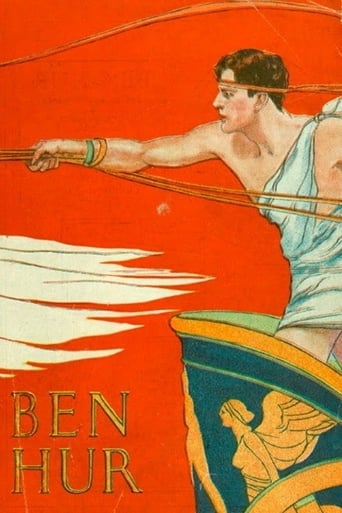
Titles linked here include From the Manger to the Cross (1912), Ben Hur (1907).
When was Gene Gauntier born and when did she die?
Born May 17, 1885; died December 18, 1966.
What awards did Gene Gauntier win?
During her lifetime, Gene Gauntier did not receive formal awards, as many film honors were not yet established during her active years. However, she is now recognized as a woman in film history and has been honored posthumously for her contributions to early cinema.
What was Gene Gauntier's acting style?
Gene Gauntier was known for her naturalistic acting style that was ahead of its time in the silent era. Unlike many contemporaries who used exaggerated gestures, she employed subtle, nuanced performances that brought theatrical credibility to the new medium of cinema.
Why did Gene Gauntier retire from films?
Gene Gauntier retired from filmmaking in 1914 at the height of her career, choosing to focus on writing novels and memoirs about her experiences in early cinema. She published her autobiography 'Blazing the Trail' in 1928, which provides invaluable insights into the birth of American cinema.
What was Gene Gauntier's role in early cinema?
Trailblazer who helped establish the American film industry. She was one of the first women to write screenplays, helped develop the feature film format, and her autobiography provides.