
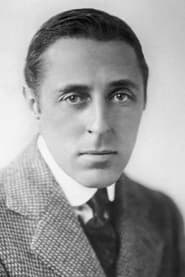
D.W. Griffith
Actor & Director
Born: January 22, 1875 in La Grange, Kentucky, United States Died: July 23, 1948 Active: 1908-1931 Birth Name: David Wark Griffith
Films
175 films
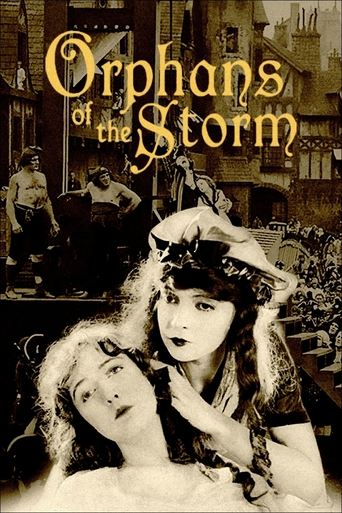
Orphans of the Storm
1921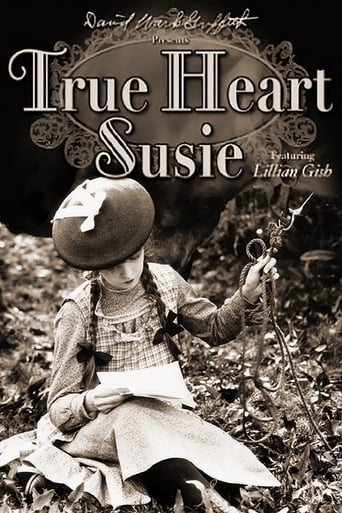
True Heart Susie
1919
Those Awful Hats
1909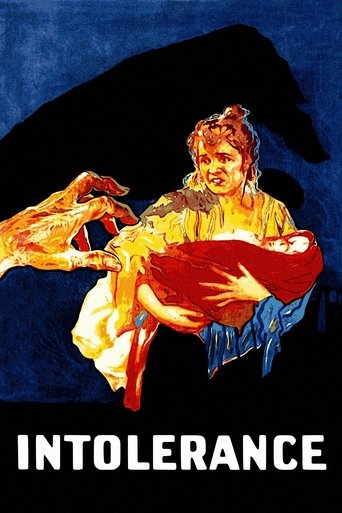
Intolerance: Love's Struggle Throughout the Ages
1916
The Taming of the Shrew
1908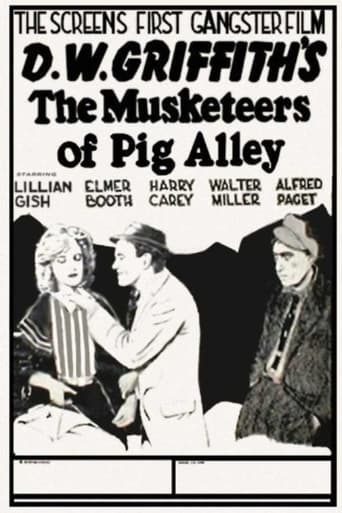
The Musketeers of Pig Alley
1912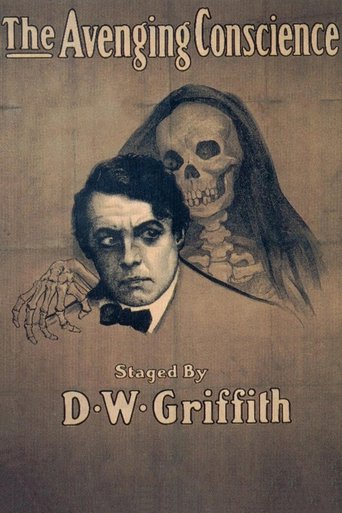
The Avenging Conscience
1914
Judith of Bethulia
1914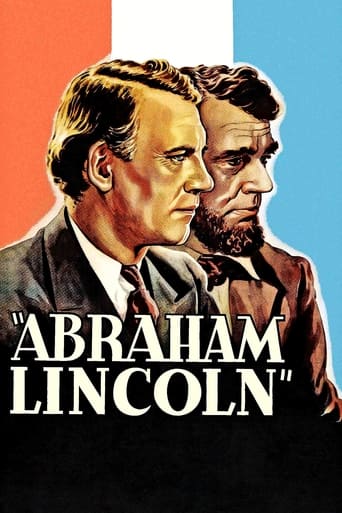
Abraham Lincoln
1930
The Son's Return
1909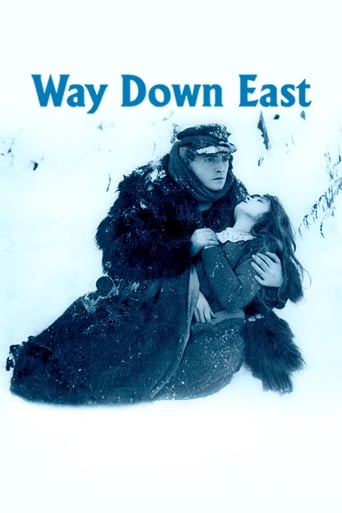
Way Down East
1920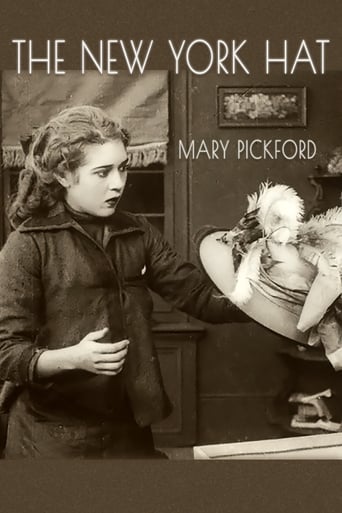
The New York Hat
1912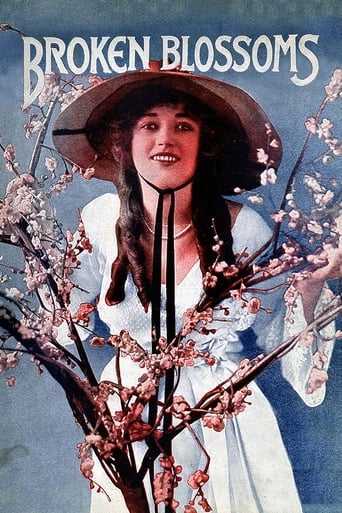
Broken Blossoms or The Yellow Man and the Girl
1919
Her First Biscuits
1909
An Unseen Enemy
1912
Enoch Arden
1911
Dream Street
1921
Edgar Allan Poe
1909
The Sealed Room
1909
At the Altar
1909
The Lonely Villa
1909
Hearts of the World
1918
The Burglar’s Dilemma
1912
Ramona
1910
Money Mad
1908
The Politician's Love Story
1909
An Awful Moment
1908
The Country Doctor
1909
The Adventures of Dollie
1908
The Peachbasket Hat
1909
The Slave
1909
The Curtain Pole
1909
A Corner in Wheat
1909
Romance of a Jewess
1908
1776, or The Hessian Renegades
1909
The Battle
1911
The Renunciation
1909
Rescued from an Eagle's Nest
1908
Friends
1912
The Golden Louis
1909
The Zulu's Heart
1908
So Near, Yet So Far
1912
Father Gets in the Game
1908
The Black Viper
1908
Balked at the Altar
1908
The Telephone Girl and the Lady
1913
The Violin Maker of Cremona
1909
A Strange Meeting
1909
Getting Even
1909
The Faded Lilies
1909
What's Your Hurry?
1909
The Lure of the Gown
1909
The Mothering Heart
1913
The Call of the Wild
1908
Betrayed by a Handprint
1908
Mr. Jones at the Ball
1908
Home, Sweet Home
1914
A Drunkard's Reformation
1909
The Fugitive
1910
The Cord of Life
1909
The Devil
1908
Comata, the Sioux
1909
The Voice of the Violin
1909
The Song of the Shirt
1908
Her First Adventure
1908
A Calamitous Elopement
1908
The Battle at Elderbush Gulch
1913
For His Son
1912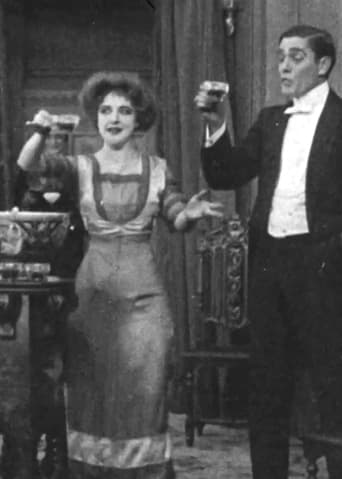
The Day After
1909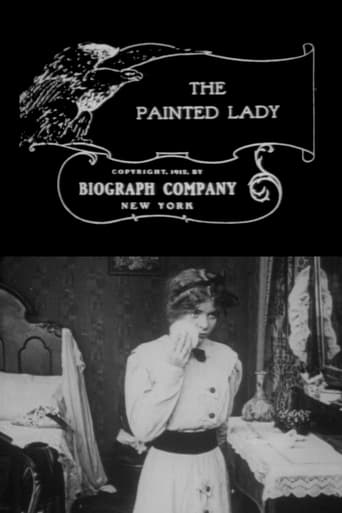
The Painted Lady
1912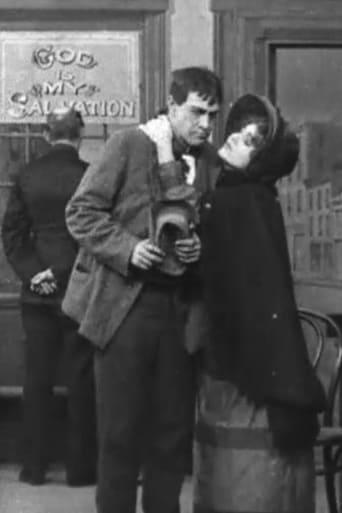
The Salvation Army Lass
1909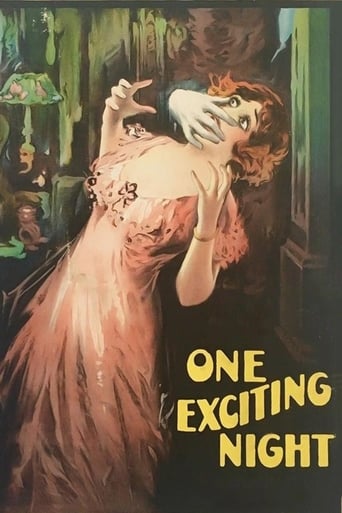
One Exciting Night
1922
Lucky Jim
1909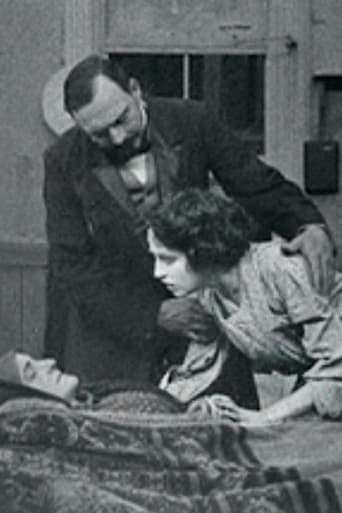
A Child of the Ghetto
1910
A Flash of Light
1910
Faithful
1910
Fate's Turning
1911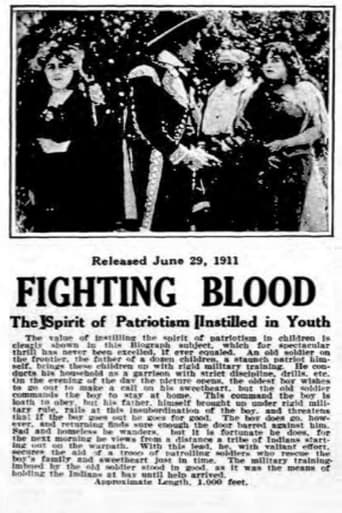
Fighting Blood
1911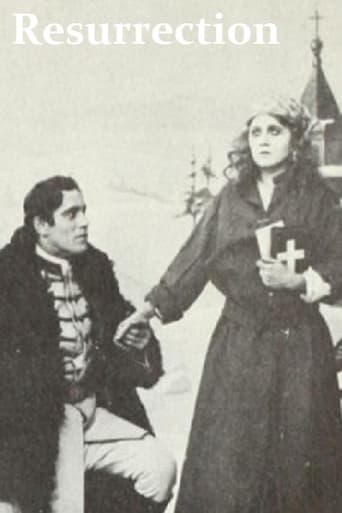
Resurrection
1909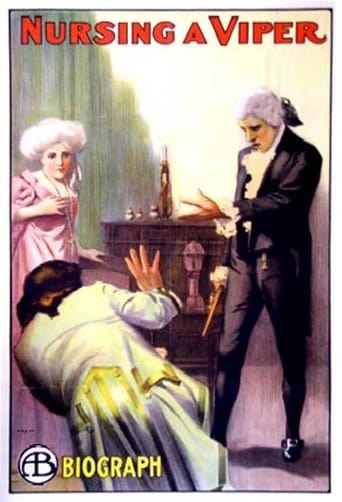
Nursing a Viper
1909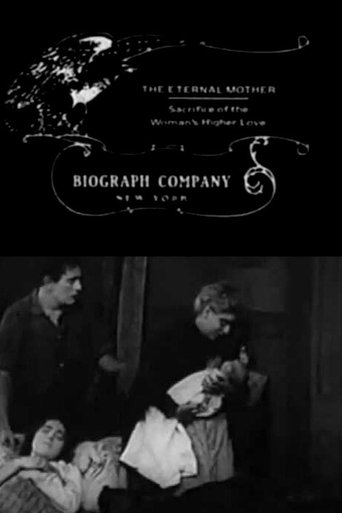
The Eternal Mother
1912
An Arcadian Maid
1910
The House with Closed Shutters
1910
A Romance of the Western Hills
1910
A Trap for Santa Claus
1909
In the Border States
1910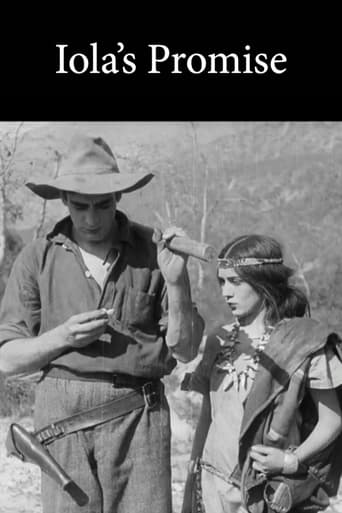
Iola's Promise
1912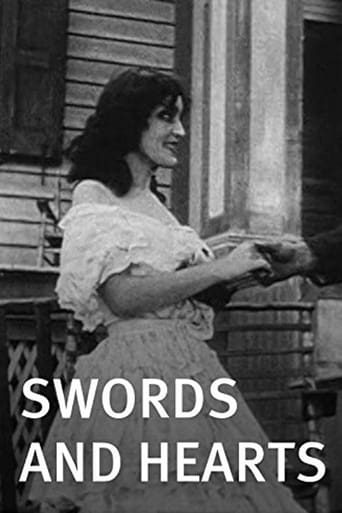
Swords and Hearts
1911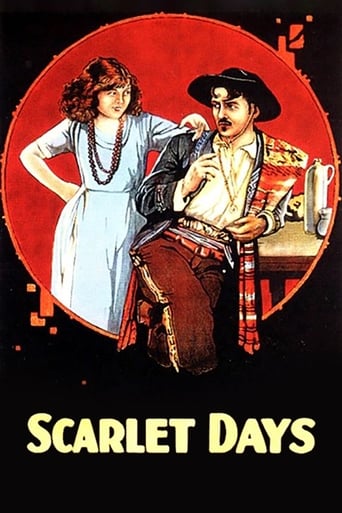
Scarlet Days
1919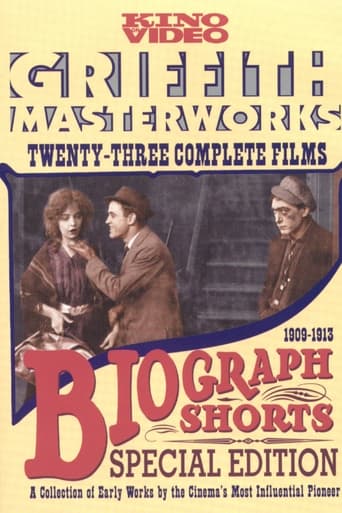
The Miser's Heart
1911
The Mountaineer's Honor
1909
The Necklace
1909
The Oath and the Man
1910
The Redman's View
1909
The Unchanging Sea
1910
The Wanderer
1913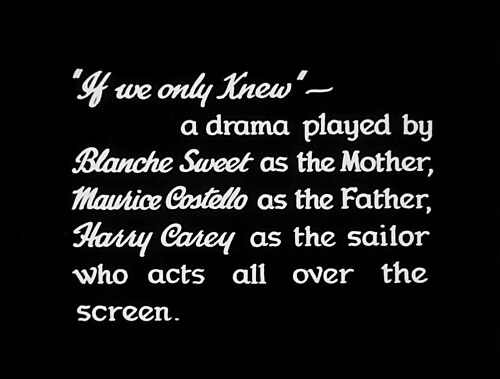
If We Only Knew
1913
Isn't Life Wonderful
1924
What Drink Did
1909
The Gibson Goddess
1909
The Sunbeam
1912
The Cardinal's Conspiracy
1909
The Greatest Question
1919
Through the Breakers
1909
Two Memories
1909
The Girl Who Stayed at Home
1919
The Girl and Her Trust
1912
The Last Drop of Water
1911
The Love Flower
1920
Death's Marathon
1913
A Romance of Happy Valley
1919
One Is Business, the Other Crime
1912
Mr. Jones Has a Card Party
1909
The House of Darkness
1913
The Idol Dancer
1920
The Massacre
1912
America
1924
The Adventures of Billy
1911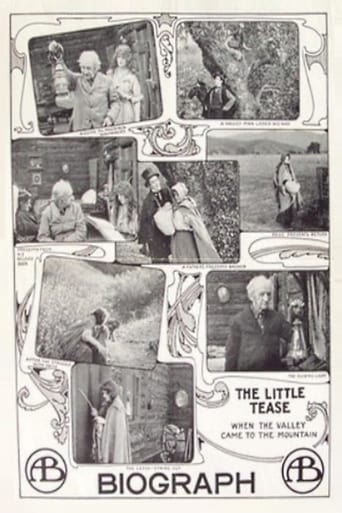
The Little Tease
1913
The Yaqui Cur
1913
The Inner Circle
1912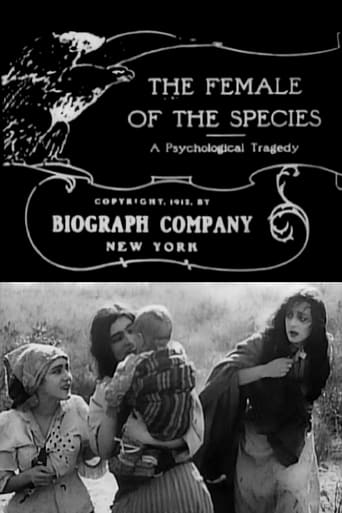
The Female of the Species
1912
The Fall of Babylon
1919
An Indian Summer
1912
Lena and the Geese
1912
Man's Genesis
1912
The Narrow Road
1912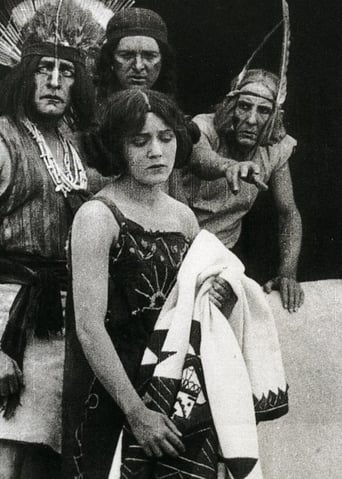
A Pueblo Legend
1912
The Sculptor's Nightmare
1908
The Lonedale Operator
1911
The Sorrows of Satan
1926
The White Rose
1923
A Beast at Bay
1912
The Fatal Hour
1908
The Seventh Day
1909
Eradicating Aunty
1909
The Goddess of Sagebrush Gulch
1912
The Sorrows of the Unfaithful
1910
What Shall We Do with Our Old?
1911
Oh, Uncle!
1909
In Life's Cycle
1910
Sweet and Twenty
1909
Brutality
1912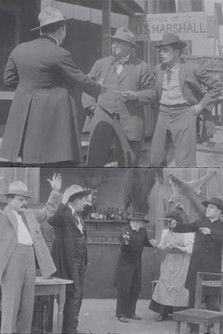
Unexpected Help
1910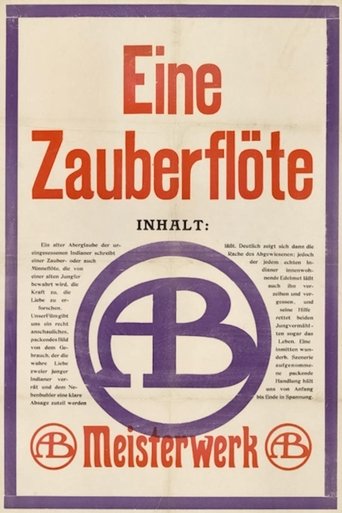
The Song of the Wildwood Flute
1910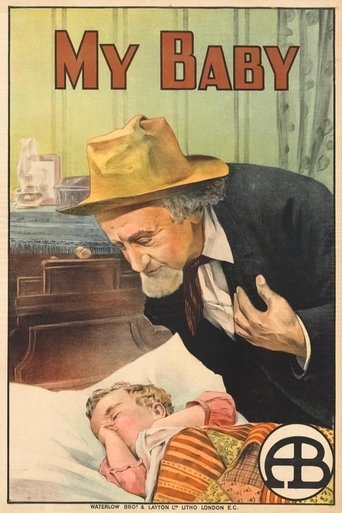
My Baby
1912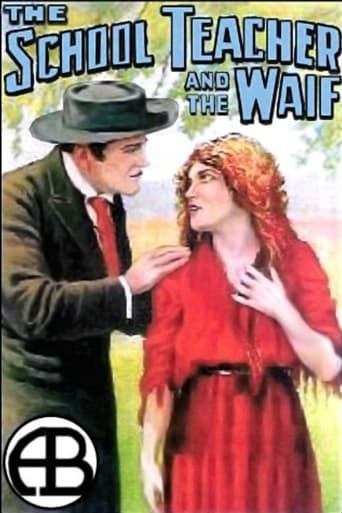
The School Teacher and the Waif
1912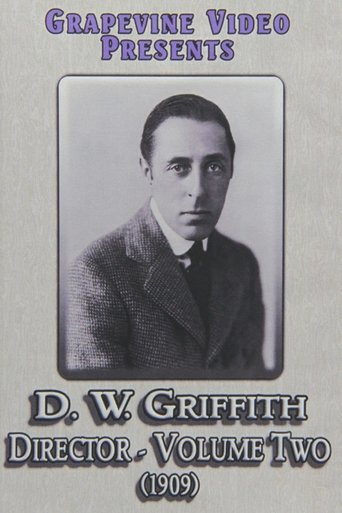
The Joneses Have Amateur Theatricals
1909
Brute Force
1914
Pippa Passes
1909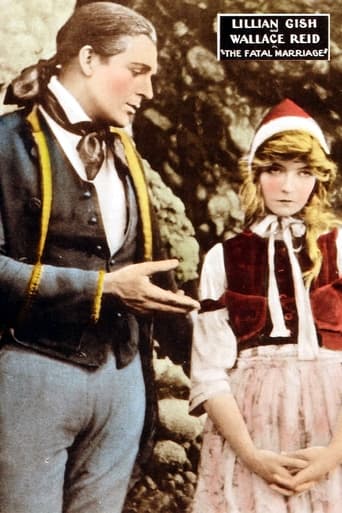
Enoch Arden
1915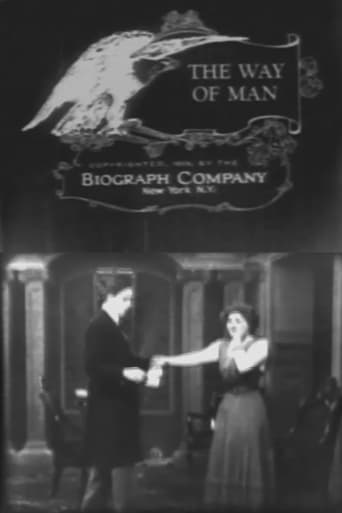
The Way of Man
1909 Confidence
1909
The Girls and Daddy
1909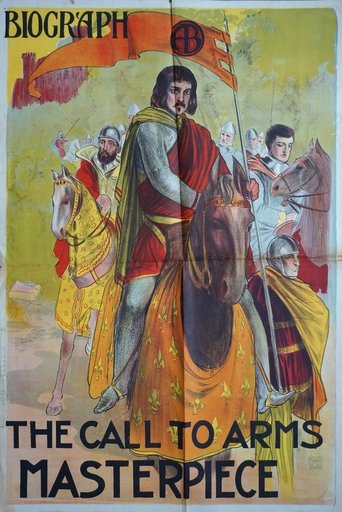
The Call to Arms
1910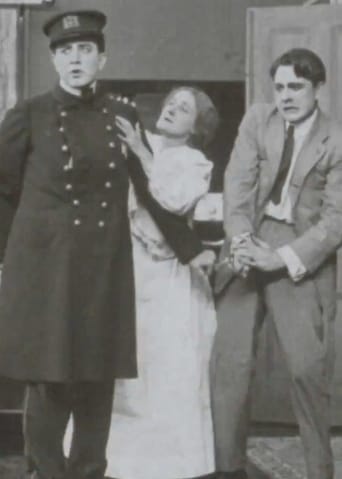
His Duty
1909
His Trust
1911
The Usurer
1910
A Child's Impulse
1910
The Baby and the Stork
1911
What the Daisy Said
1910
Wilful Peggy
1910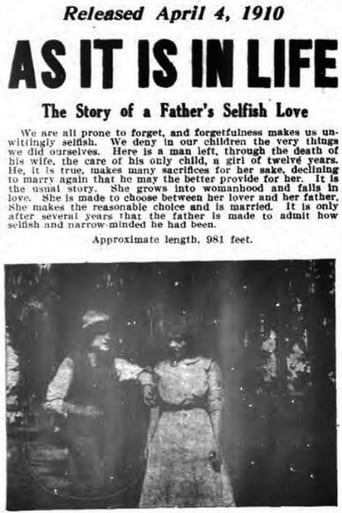
As It Is in Life
1910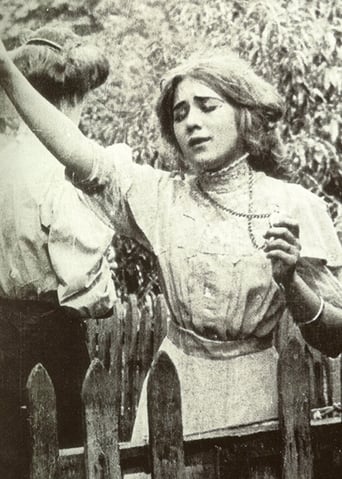
The Broken Locket
1909
Over Silent Paths
1910
Broken Ways
1913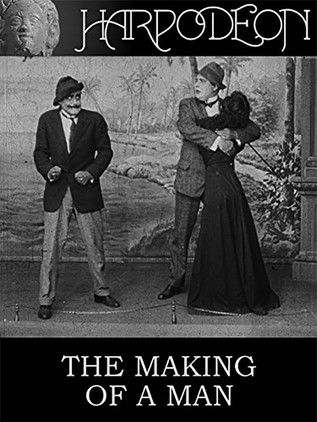
The Making of a Man
1911
Under Burning Skies
1912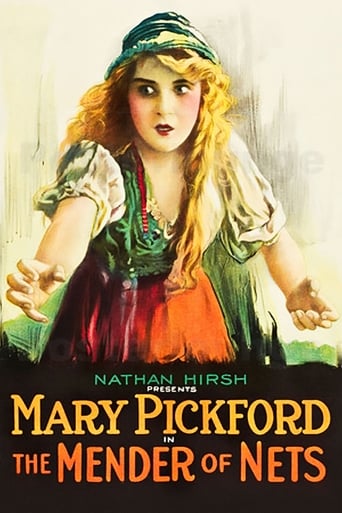
The Mender of Nets
1912
The Old Actor
1912
Cupid’s Pranks
1908
His Trust Fulfilled
1911
The Cricket on the Hearth
1909
The Lesser Evil
1912About D.W. Griffith
David Wark Griffith was one of the founding figures of narrative cinema and a towering, if deeply controversial, architect of the American film industry. Born in Kentucky in 1875, he began his career in the theater as an actor and playwright before entering filmmaking in the mid-1900s, first as an actor for the Biograph Company and then rapidly moving behind the camera. Between 1908 and 1913 he directed hundreds of one- and two-reel films, during which he helped standardize film grammar through innovations such as cross-cutting, close-ups, parallel editing, varied camera placements, and large-scale dramatic pacing. His major silent features, especially The Birth of a Nation (1915) and Intolerance (1916), demonstrated unprecedented scope and ambition, though The Birth of a Nation also became notorious for its racist imagery and its promotion of the Ku Klux Klan. Griffith continued to make films through the silent era and into the early sound period, but his reputation and commercial power declined as filmmaking evolved and as the scale of production he pioneered became absorbed into the broader studio system. He spent his later years largely outside the center of Hollywood power, receiving occasional recognition for his role in film history while remaining a disputed figure because of the political and racial implications of his most famous work. He died in Hollywood in 1948, leaving behind a legacy that is both foundational to cinema history and inseparable from some of the medium's most harmful stereotypes.
The Craft
On Screen
As an actor in his early screen years, Griffith generally performed in the restrained, theatrical manner common to early silent cinema, emphasizing clear physical expression and readable gesture over subtle realism. His on-screen roles were typically supporting parts in short melodramas, and he is remembered far more for his directing than for his acting. Like many performers of the period, he relied on broad facial expression and stage-derived movement suited to silent film's visual storytelling demands.
Behind the Camera
Griffith's directing style was highly influential and formally innovative, built around mobile storytelling, rapid but intelligible editing, and strong emotional crescendo. He favored parallel action, escalating suspense through cross-cutting, and the use of intimate close-ups to heighten psychological impact, helping to shift film language away from theatrical tableau staging. His films often combined melodrama, moral conflict, and visual symbolism, with carefully paced climaxes and large crowd scenes that gave his work a sense of epic scale. Although he was a pioneer of cinematic technique, his storytelling also reflected the racial and social biases of his era, most infamously in The Birth of a Nation, where his craftsmanship was put in service of reactionary politics.
Milestones
- Became one of the earliest major directors at the Biograph Company and directed a vast number of short films that helped define early narrative cinema
- Pioneered and popularized techniques such as cross-cutting, close-ups, close attention to reaction shots, and rhythmically structured suspense sequences
- Directed The Birth of a Nation (1915),
- Directed Intolerance (1916), an ambitious multi-episode epic that showcased large-scale set construction and intercut storytelling across historical periods
- Helped establish the feature-length film as a dominant commercial form in American cinema
- Co-founded United Artists in 1919 with Charlie Chaplin, Mary Pickford, and Douglas Fairbanks to secure greater creative and business control for filmmakers
- Directed influential late silent films such as Broken Blossoms (1919) and Way Down East (1920), which were celebrated for emotional intensity and visual sophistication
- Worked as an actor in numerous early Biograph films before becoming primarily known as a director
Best Known For
Iconic Roles
Must-See Films
Accolades
Won
- Honorary Academy Award (1935) for his creative achievements as the director of The Birth of a Nation and Intolerance
- Recognition from the film industry as one of the foundational pioneers of American cinema
Nominated
- No known competitive Academy Award nominations are typically recorded for Griffith
Special Recognition
- Honorary Academy Award (1935)
- Longstanding recognition in film history as one of cinema's major pioneers
- Included among the most influential figures in the development of narrative film language
Working Relationships
Worked Often With
Studios
Why They Matter
Impact on Culture
D.W. Griffith is central to film history because he helped transform cinema from a novelty into a sophisticated narrative art form with a recognizable visual grammar. His work at Biograph and in later feature films demonstrated that editing, camera distance, and parallel action could be used to shape audience emotion with extraordinary precision, and these methods became standard in classical Hollywood filmmaking. At the same time, his cultural impact is inseparable from the controversies surrounding The Birth of a Nation, which helped revive and popularize racist mythology while also proving that film could shape mass political imagination on a national scale. This dual legacy makes him both a foundational innovator and.
Lasting Legacy
Griffith's legacy rests on two competing truths: he was one of the principal inventors of cinematic storytelling, and he created some of the most notorious racist imagery ever presented in popular American film. His technical contributions influenced virtually every later generation of filmmakers, from silent-era directors to classical Hollywood craftsmen and modern editors who inherited his patterns of suspense and emotional continuity. Film schools, historians, and critics continue to study his work both for its formal brilliance and for the ways it reveals the moral limitations of the era and of the filmmaker himself. Even today, any serious account of film history treats Griffith as indispensable to understanding how cinema became an art form and as a cautionary example of how artistic achievement can coexist with profoundly damaging ideology.
Who They Inspired
Griffith influenced the entire language of mainstream screen storytelling by proving that films could sustain complex plots, multiple characters, and emotionally layered crosscut action over feature-length running times. Directors and editors throughout Hollywood adopted techniques he advanced, especially parallel montage, suspense construction, and the strategic use of close-ups. He also helped establish the star system by repeatedly collaborating with recognizable performers and demonstrating how audiences could be drawn to recurring screen personalities. Later filmmakers, even those who rejected his politics or his sentimental style, still worked within the grammar he helped codify.
Off Screen
Griffith was born into a Kentucky family with Confederate sympathies, and his Southern background is often discussed as a formative influence on the racial and historical attitudes visible in some of his later work. He was married twice: first to actress Linda Arvidson, and later to actress Evelyn Baldwin, though both marriages ended in divorce. He did not have any widely documented children. In his personal and professional life he was known as ambitious, energetic, and often intensely focused on his work, but he also struggled with the changing industry that had once been shaped by his methods. In later years he lived more quietly and was increasingly overshadowed by younger filmmakers and by criticism of his most notorious films.
Education
He had limited formal education and left school early after his father's financial troubles; his knowledge of theater and storytelling was developed largely through work experience in stage performance and early film production.
Family
- Linda Arvidson (1906-1936)
- Evelyn Baldwin (1919-1920)
Did You Know?
- Before becoming a director, Griffith tried to make a living as an actor and writer in theater.
- He directed an enormous number of short films at Biograph, many of them now lost or surviving only in fragmentary form.
- He is often credited with helping make the feature film the dominant commercial form in American cinema.
- He co-founded United Artists with three of the biggest stars of the silent era in an effort to give artists more control over distribution and profits.
- His film The Birth of a Nation was both a technical landmark and a major catalyst for organized protest because of its racist content.
- He made Intolerance as a kind of response to criticism, interweaving four historical stories on a massive scale.
- He worked with many actresses who became major silent-era stars, including Lillian Gish and Mary Pickford.
- He was honored with an Academy Award but remained controversial throughout his later life.
- Although widely associated with directing, he also appeared in acting roles early in his film career.
- Many of his early films for Biograph were credited only by production number rather than by the names of cast members
In Their Own Words
No reliably verified single quotation is universally attributed to Griffith in the way that many later filmmakers are quoted; scholarship often focuses more on his films and production practice than on memorable sayings.
He is frequently discussed through statements made about him by collaborators and critics rather than through a stable body of well-attested public quotes.
Frequently Asked Questions
Who was D.W. Griffith?
American on YTB.my. He helped create the visual and editing language of narrative film, though his legacy is also deeply marred by the racism of The Birth of a Nation.
What films is D.W. Griffith best known for?
Titles linked here include The Birth of a Nation, Intolerance.
When was D.W. Griffith born and when did he die?
Born January 22, 1875; died July 23, 1948.
What awards did D.W. Griffith win?
His most significant formal honor was an Honorary Academy Award in 1935 for his contributions to motion picture progress. Beyond that, his major recognition came from his historical status as a foundational pioneer of film language rather than from competitive awards.
What was D.W. Griffith's directing style?
Griffith's directing style emphasized fast-moving but clear editing, parallel action, emotional melodrama, and the strategic use of close-ups to intensify drama. He helped define the classical grammar of screen storytelling, though his work also reflected the prejudices of his era.
What is D.W. Griffith's legacy?
His legacy is foundational to world cinema because he helped turn motion pictures into a sophisticated narrative art form. At the same time, he remains.