
The Lonedale Operator
"Young and takes"
Keys: Space play/pause · ←/→ 10s · F fullscreen · M mute · </> speed
About this film
A young woman takes over her sick father's role as telegraph operator at a railway station, and has to deal with a team intent on train robbery. W.
Cast & crew
More films like this
More Thriller films
View all →


More from D.W. Griffith
View all →
More about this film
About the production
Release dateMarch 23, 1911
Box officeUnknown - box office tracking was not standardized for films of this era
ProductionBiograph Company
Filmed inCalifornia, likely Los Angeles area, Fort Lee, New Jersey (possible Biograph studio location)
Filmed during Biograph's west coast period when Griffith and his crew would travel to California annually to take advantage of better weather and varied locations. The film was shot on location at what appears to be an actual railway station, adding authenticity to the production. Griffith was known for his rapid shooting schedule, often completing multiple films in a single week.
Themes
Courage under pressureTechnology and modernityFemale empowermentIsolation and vulnerabilityGood versus evil
Themes & topics
Historical background
The Lonedale Operator (1911) emerged during the silent era before feature-length dominance, when exhibition habits and national film industries were still taking shape.
Why this film matters
The Lonedale Operator remains accessible through digital archives, giving modern viewers a direct link to 1911 screen culture.
Making of
D.W. Griffith was known for his meticulous attention to detail and his innovative approach to storytelling. During the filming of 'The Lonedale Operator,' Griffith experimented with camera angles and editing techniques that were revolutionary for the time. He would often rehearse his actors extensively, though he also encouraged improvisation to capture authentic emotions. The Biograph Company operated on a rapid production schedule, with Griffith typically directing two to three films per week. The cast and crew worked long hours in often primitive conditions, with location shooting presenting particular challenges due to the heavy and cumbersome equipment of the era. Griffith's collaboration with cinematographer Billy Bitzer was crucial to achieving the visual tension and mood of the film.
What critics said
Where contemporary reviews survive, The Lonedale Operator is discussed in terms of audience appeal at release; later criticism often reframes it through archive restoration and festival programming.
Did you know?
- This film represents one of the earliest examples of the thriller genre in American cinema, showcasing D.W. Griffith's use of suspense techniques
- Blanche Sweet was only 17 years old when she starred in this film, marking one of her earliest leading roles for Biograph
- The film features innovative cross-cutting between the telegraph operator, the approaching train, and the criminals, a technique Griffith was helping to develop and popularize
- The pistol used by the heroine was reportedly a real weapon, though it was only fired as a prop during filming
- This film was part of Biograph's strategy to produce films with strong female protagonists, recognizing their appeal to early cinema audiences
- The railway setting was particularly popular with early film audiences due to its inherent drama and technological fascination
- Griffith considered this film among his best work from the Biograph period, particularly praising its tension and pacing
- The film's success helped establish Blanche Sweet as one of Biograph's major stars alongside Mary Pickford and Dorothy Gish
- The original negative was preserved in the Library of Congress's paper print collection, ensuring its survival
- This film was one of over 300 short films Griffith directed for Biograph between 1908-1913
Visual style
The cinematography by Billy Bitzer demonstrates the evolving visual sophistication of early cinema. Bitzer employed varied camera angles to enhance the dramatic tension, including low-angle shots to emphasize the heroine's vulnerability and determination. The lighting was naturalistic, utilizing available light for the location shooting, which added to the film's authenticity. The composition of shots within the cramped telegraph station space effectively conveyed the claustrophobic tension of the situation. Bitzer and Griffith also experimented with focus and depth to guide the viewer's attention to key narrative elements. The railway exteriors provided opportunities for dynamic shots of trains, which were always popular with audiences.
Innovations
The Lonedale Operator showcases several important technical innovations for its time. Griffith's use of parallel editing to build suspense between the telegraph operator, the criminals, and the approaching train was and would become a fundamental technique in cinema. The film also demonstrates sophisticated use of close-ups to emphasize emotional moments and important objects, such as the telegraph key and later the pistol. The pacing and rhythm of the editing were carefully controlled to maximize tension, showing an advanced understanding of film's temporal possibilities. The effective use of location shooting rather than studio sets also represented an advance in film realism and production practices.
Music
As a silent film, The Lonedale Operator would have been accompanied by live musical performance during theatrical exhibition. The typical accompaniment would have been a pianist or small orchestra performing appropriate music to enhance the mood and action. For suspenseful scenes, performers might have used dramatic, rapidly-paced music, while quieter moments would have been underscored with more gentle melodies. The exact musical selections would have varied by theater and musician, though popular pieces of the era and classical excerpts were commonly used. Some theaters may have used cue sheets provided by the Biograph Company, which suggested appropriate music for specific scenes.
Famous quotes
As a silent film, dialogue was conveyed through intertitles and pantomime rather than spoken dialogue
Memorable scenes
- The tense sequence where the young operator discovers the criminals attempting to break into the station and must decide whether to flee or defend herself
- The climactic standoff where the heroine brandishes the pistol to keep the robbers at bay
- The parallel action cutting between the approaching train and the struggle at the station
- The moment when the operator receives the telegraph message about the impending danger
- The final resolution as help arrives and the criminals are apprehended
What audiences thought
The Lonedale Operator was popular with audiences upon its release, who were drawn to its suspenseful plot and relatable heroine. Early cinema audiences particularly enjoyed films with clear moral conflicts and satisfying resolutions, and this film delivered both. The railway setting held particular fascination for viewers of the era, as trains represented modernity and adventure. The film's success at the box office helped cement Biograph's reputation for quality productions and contributed to Blanche Sweet's growing popularity as a leading lady. Audience reaction sheets from the period, where available, indicate that viewers found the film exciting and emotionally engaging.
Film connections
Influenced by
- Earlier Biograph shorts by Griffith
- Stage melodramas of the period
- Contemporary newspaper stories of train robberies
- Western dime novels
- Theatrical traditions of suspense and drama
This film influenced
- Subsequent thriller and suspense films
- Later Griffith Biograph productions
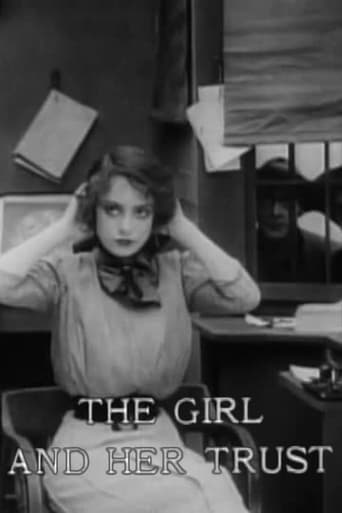
- The Girl and Her Trust (1912) - Griffith's spiritual remake
- Early Hollywood adventure films
- Films featuring capable female protagonists
Film restoration
The film is preserved and available for viewing. A 35mm print exists in the Library of Congress collection, and the film has been included in various DVD collections of Griffith's early work. The preservation is largely thanks to the Library of Congress's paper print collection, where early films were archived on paper for copyright purposes before nitrate film preservation was standard practice.
Where to watch
- Available on DVD in collections of D.W. Griffith's Biograph films
- Streaming on various classic film platforms
- Available through the Library of Congress's digital collections
- Included in educational film archives and university collections
- Occasionally screened at film festivals and cinematheques specializing in silent cinema