
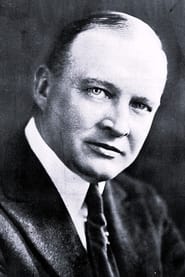
Francis J. Grandon
Actor
Born: June 14, 1879 in Chicago, Illinois, USA Died: March 11, 1929 Active: 1910-1929 Birth Name: Francis James Grandon
Films
11 films
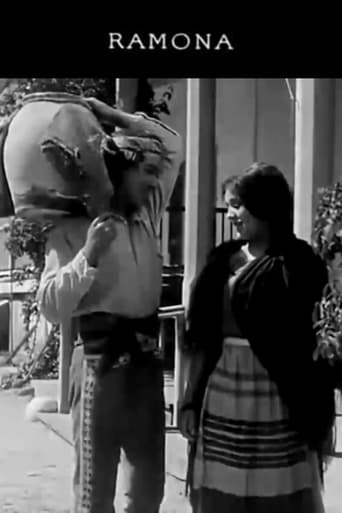
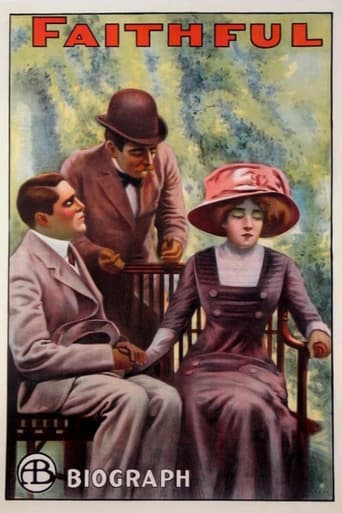
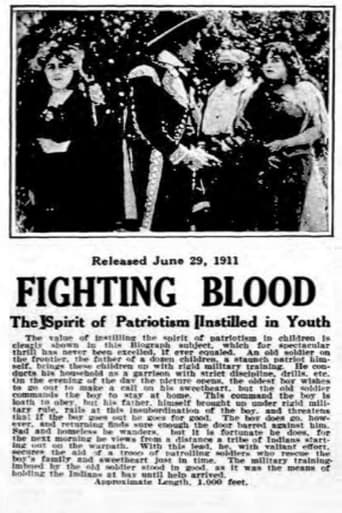

About Francis J. Grandon
Francis J. Grandon (1879-1929) was an American film director, actor, and screenwriter during the silent era. He began his career as an actor around 1910, appearing in several short films for D.W. Griffith at Biograph Studios, including 'Ramona' (1910), 'Faithful' (1910), 'An Arcadian Maid' (1910), 'The Oath and the Man' (1910), and 'Enoch Arden' (1911). However, he quickly transitioned to directing by 1911, where he found his true calling in the emerging film industry. Grandon directed over 200 films throughout his career, working for studios such as Selig Polyscope, Universal, and Fox. He was particularly known for his work on serial films and westerns, directing several chapters of popular serials like 'The Adventures of Kathlyn' (1913) and 'The Hazards of Helen' (1914-1917). Grandon's directing nearly two decades, from 1911 until his death in 1929. He was married to actress and screenwriter Ida May Park, with whom he collaborated on several projects. Grandon died in Los Angeles at the age of 50, leaving behind a significant body of work that contributed to the development of American cinema during its formative years.
The Craft
On Screen
As an early silent film actor, Grandon employed the theatrical style common to the period, with exaggerated gestures and expressions to convey emotion without dialogue. His acting career was brief, lasting only about a year before he moved behind the camera, where he made his most significant contributions to cinema.
Milestones
- Transitioned from actor to director in 1911 after only one year in front of the camera
- Directed over 200 films during his nearly two-decade career
- Directed several chapters of 'The Hazards of Helen' (1914-1917), one of the longest-running serials of the silent era
- Directed 'The Adventures of Kathlyn' (1913), an influential early serial film
- Worked with major studios including Biograph, Selig Polyscope, Universal, and Fox
- Married screenwriter Ida May Park, with whom he collaborated professionally
Best Known For
Iconic Roles
Must-See Films
Working Relationships
Worked Often With
Studios
Why They Matter
Impact on Culture
Francis J. Grandon contributed to the development of early American cinema through his prolific work as a director during the silent era. His work on serial films helped establish and popularize the format that would become a staple of American moviegoing for decades. Grandon's westerns and action films contributed to the codification of genre conventions that would influence countless filmmakers who followed. Though not as well-remembered as some of his contemporaries, Grandon's output of over 200 films represents a significant contribution to the formative years of Hollywood cinema.
Lasting Legacy
Francis J. Grandon's legacy lies primarily in his role as a workhorse director during the silent era's expansion. His films, while not always surviving to the present day, represent the type of commercial cinema that dominated American theaters in the 1910s and 1920s. Grandon's work on serials like 'The Hazards of Helen' helped establish narrative techniques and production methods that would influence action filmmaking for generations. His marriage and professional collaboration with Ida May Park also represents an early example of a creative partnership in Hollywood that challenged gender norms of the period.
Who They Inspired
Grandon influenced other directors through his efficient approach to serial filmmaking, which required maintaining narrative continuity across multiple episodes. His work in westerns contributed to the visual language and storytelling approaches that would become standard in the genre. While he didn't develop a distinctive authorial style like some of his more famous contemporaries, Grandon's professional approach to filmmaking represented the studio system ethos that would dominate Hollywood for decades.
Off Screen
Francis J. Grandon married actress and screenwriter Ida May Park in 1915. Park was an accomplished writer who penned many scenarios and screenplays during the silent era. The couple collaborated professionally on several projects, combining Grandon's directing expertise with Park's writing talents. Their marriage lasted until Grandon's death in 1929 at age 50.
Education
No specific information available about Grandon's formal education, which was not uncommon for early film industry professionals who often learned their craft through practical experience.
Family
- Ida May Park (1915-1929)
Did You Know?
- Grandon directed over 200 films during his career, though many are now lost
- He began his film career as an actor in D.W. Griffith's Biograph company
- Grandon transitioned to directing after only one year as an actor
- He directed several chapters of 'The Hazards of Helen,' one of the longest-running serials of the silent era
- Grandon was married to screenwriter Ida May Park, with whom he collaborated professionally
- He worked extensively in the western genre, directing stars like Tom Mix
- Grandon died relatively young at age 50, cutting short a productive career
- His film 'The Spoilers' (1914) was remade multiple times, including a famous 1942 version starring Marlene Dietrich and John Wayne
- Grandon was one of many directors who worked on the massive serial 'The Hazards of Helen,' which eventually ran to 119 episodes
- His directing active years covered the entire formative period of the American feature film industry
Frequently Asked Questions
Who was Francis J. Grandon?
American on YTB.my. He began his career as an actor at Biograph Studios but quickly transitioned to directing, eventually helming over 200 films. Grandon worked across multiple genres but was particularly known for his work on serial films and westerns.
What films is Francis J. Grandon best known for?
Titles linked here include The Adventures of Kathlyn (1913), The Hazards of Helen (1914-1917).
When was Francis J. Grandon born and when did he die?
Born June 14, 1879; died March 11, 1929.
What awards did Francis J. Grandon win?
There are no recorded major awards or nominations for Francis J. Grandon, which was not uncommon for directors of his era during the silent film period when formal industry recognition was limited. His legacy rests instead on his prolific output and contributions to early cinema.
What was Francis J. Grandon's directing style?
Grandon was known for his efficiency and versatility, capable of working across multiple genres including westerns, serials, and dramas. He had a particular talent for action sequences and maintaining narrative momentum in serialized formats. His practical approach to filmmaking suited the high production demands of the studio system.
Did Francis J. Grandon collaborate with any notable filmmakers?
Grandon collaborated extensively with his wife, screenwriter Ida May Park, on several projects. He worked with popular actors of the era including Kathlyn Williams in 'The Adventures of Kathlyn' and Helen Holmes in 'The Hazards of Helen.' Early in his career, he was part of D.W. Griffith's acting company at Biograph Studios.
How many films did Francis J. Grandon direct?
Francis J. Grandon directed over 200 films during his career from 1911 to 1929. Many of these films were shorts, typical of the era, though he also directed feature-length films. Unfortunately, a significant number of his films are now believed to be lost, as is common with silent-era productions.
What was Francis J. Grandon's contribution to early cinema?
Grandon contributed to the development of serial films and western genres during the formative years of American cinema. His work on serials like 'The Hazards of Helen' helped establish narrative techniques and production methods for multi-part films. His prolific output represents the type of commercial cinema that dominated American theaters in the 1910s and 1920s.