An Arcadian Maid
"An Arcadian Maid (1910)"
Keys: Space play/pause · ←/→ 10s · F fullscreen · M mute · </> speed
About this film
A young maiden is seduced by a charming traveling peddler who persuades her to steal from her host family in order to repay his gambling debts.
Cast & crew
More films like this

More Drama films
View all →







More from D.W. Griffith
View all →
More about this film
About the production
Release dateMarch 21, 1910
Box officeUnknown (Biograph films were rented to theaters rather than sold, so individual box office figures weren't tracked)
ProductionBiograph Company
Filmed inBiograph Studio, New York City, Fort Lee, New Jersey
This was one of approximately 60 short films D.W. Griffith directed for Biograph in 1910 alone. The film was shot on 35mm black and white film stock typical of the era. Like most Biograph productions of this period, it was completed in just one or two days of shooting. The rural setting was created on location or on Biograph's outdoor sets in Fort Lee, which was becoming the center of American film production before the industry moved to Hollywood.
Themes
Innocence vs. CorruptionRural Virtue vs. Urban DepravityMoral Choice and ConsequenceTrust and BetrayalFemale Vulnerability and Strength
Themes & topics
Historical background
Made in 1910, An Arcadian Maid reflects production norms of the silent era before feature-length dominance—shorter runtimes, regional audiences, and limited preservation infrastructure.
Why this film matters
Historians reference An Arcadian Maid (1910) when discussing 1910 film directed by D. W. Griffith.
Making of
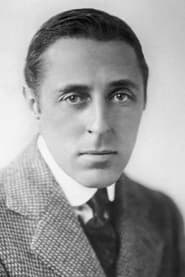
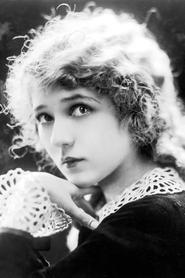
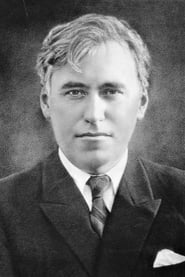
The production of 'An Arcadian Maid' took place during D.W. Griffith's most prolific period at Biograph, where he was essentially inventing the language of cinema through trial and error. Griffith was known for his meticulous attention to performance, often working closely with actors to achieve naturalistic expressions and movements, which was revolutionary for the time. Mary Pickford, who was only 17 when this film was made, was developing her screen persona under Griffith's guidance, learning to convey complex emotions through subtle facial expressions rather than the exaggerated gestures common in early cinema. The film was shot during Biograph's winter production season, likely in cold conditions on the company's New Jersey grounds. Mack Sennett, though primarily known for comedy even then, demonstrated his dramatic range as the villainous peddler, a role that contrasted with his later comic persona. The production team would have worked with minimal lighting, relying heavily on natural light, which necessitated careful scheduling of shots throughout the day.
What critics said
Trade and revival screenings have kept An Arcadian Maid (1910) on the map for collectors and scholars rather than mass first-run promotion.
Did you know?
- This film was released during Mary Pickford's breakthrough year as 'America's Sweetheart,' though she hadn't yet achieved that nickname.
- Mack Sennett, who plays the villainous peddler, would later become famous as the 'King of Comedy' and founder of Keystone Studios.
- The film was shot in just two days, which was standard practice for Biograph's rapid production schedule.
- This was one of over 40 films Mary Pickford made with D.W. Griffith in 1910 alone.
- The Biograph Company did not allow actors to be credited by name in their films during this period, so audiences wouldn't have known Pickford or Sennett by name.
- The film's original Biograph production number was 1243.
- Like many films of this era, it was likely accompanied by live musical accompaniment in theaters, with suggested cue sheets provided to pianists.
- The film survives today in archives, unlike many Biograph productions from this period which have been lost.
- This film represents an early example of Griffith's developing narrative techniques, including cross-cutting and character development.
- The peddler character was a common archetype in early films, often representing urban corruption threatening rural innocence.
Visual style
The cinematography in 'An Arcadian Maid' reflects the evolving techniques of early narrative cinema, likely photographed by Billy Bitzer or G.W. 'Billy' Bitzer, Griffith's frequent collaborator. The film employs the standard stationary camera positions of the era but shows Griffith's emerging understanding of visual storytelling through composition and actor placement. The rural setting would have utilized natural lighting, with careful attention to the direction and quality of light throughout the shooting day. The film probably includes medium shots that were becoming more common in Biograph productions, allowing audiences to see actors' expressions more clearly than in earlier cinema. The visual style emphasizes clarity and moral symbolism, with the pure countryside contrasting with the corrupting influence of the traveling peddler. The cinematography serves the narrative rather than calling attention to itself, which was typical of Griffith's approach during his Biograph period.
Innovations
While 'An Arcadian Maid' doesn't feature groundbreaking technical innovations, it represents the refinement of existing techniques that were becoming standard in American cinema by 1910. The film demonstrates Griffith's growing mastery of narrative pacing and his ability to tell a complete story with emotional depth within the constraints of a short format. The use of location shooting in Fort Lee, New Jersey, was becoming more common and represented a move away from the purely theatrical settings of earlier cinema. The film's editing, likely supervised by Griffith, shows increasing sophistication in maintaining narrative continuity and emotional rhythm. The lighting techniques, while basic, show understanding of how to create mood and emphasize important dramatic moments. The film also demonstrates the emerging star system, with Mary Pickford's recognizable presence adding value to the production despite the lack of on-screen credits.
Music
As a silent film, 'An Arcadian Maid' would have been accompanied by live musical performance during theatrical exhibition. Biograph typically provided musical cue sheets to theaters, suggesting appropriate musical selections for different scenes. For a moral melodrama like this, the accompaniment would likely have included popular songs of the era, classical excerpts, and improvisational passages that matched the emotional tone of each scene. The seduction scenes might have been accompanied by romantic or waltz music, while the theft and discovery scenes would have called for more dramatic or suspenseful music. Rural settings were often accompanied by folk-inspired melodies or pastoral themes. The music would have been performed by a single pianist in smaller theaters or by small ensembles in larger venues. The quality and appropriateness of the musical accompaniment significantly affected audience experience and emotional response to the film.
Famous quotes
(Silent film - no dialogue) The film's narrative was conveyed through intertitles and visual storytelling, with key moments including: 'Priscilla, a simple country maid, trusted all who came her way', 'The peddler's silver tongue won her innocent heart', 'Torn between love and duty, she made her fatal choice'
Memorable scenes
- The seduction scene where the peddler convinces Priscilla to steal, showcasing Pickford's ability to convey internal conflict through facial expressions
- The theft sequence, which builds tension through careful staging and editing
- The discovery of the missing money and Priscilla's emotional breakdown, demonstrating Griffith's ability to elicit powerful performances
- The final confrontation scene where the peddler's true nature is revealed, providing moral resolution
What audiences thought
Audiences in 1910 responded positively to films featuring Mary Pickford, whose natural acting style and relatable characters made her one of the first true movie stars. The moral tale of 'An Arcadian Maid' would have resonated with contemporary audiences, particularly women, who saw in Pickford's characters both vulnerability and strength. The film's themes of trust, betrayal, and redemption were universal and accessible to the diverse audiences attending nickelodeons and early movie theaters. The peddler character as a symbol of urban corruption threatening rural values would have struck a chord with audiences experiencing rapid social change. Like most Biograph productions of this era, the film was rented to theaters for a flat fee rather than sold, and its popularity would have been measured by the frequency with which theaters booked it. The film's relatively short length made it ideal for the varied programs typical of early cinema exhibition.
Film connections
Influenced by
- Victorian melodrama
- Stage plays of the late 19th century
- Charles Dickens' novels
- Contemporary dime novels
- Earlier Biograph productions
- European narrative films
This film influenced
- Later Griffith melodramas
- Mary Pickford's later starring vehicles
- Mack Sennett's dramatic productions
- Other Biograph moral tales
- Early Hollywood melodramas
Film restoration
The film survives and is preserved in film archives. A 35mm print exists in the Museum of Modern Art's collection, and the film has been made available through various preservation initiatives. The film is part of the extensive Biograph collection that has survived relatively well compared to other studios' output from this period. The surviving print shows some deterioration typical of nitrate film from this era but remains viewable and has been digitized for preservation purposes.
Where to watch
- The film is available on the DVD collection 'D.W. Griffith: Years of Discovery 1909-1913' from Kino Lorber
- Can be accessed through various streaming services specializing in classic cinema
- Available for viewing at film archives and libraries with access to the Museum of Modern Art's collection
- Sometimes shown in film retrospectives and museum exhibitions focusing on early cinema
- Available through educational film distributors for academic use